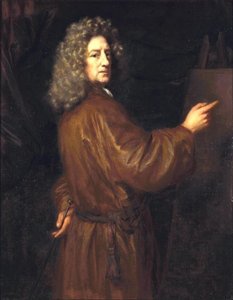
Gyvenimas šešėlių ir šviesos ritmuose
Nikolaes Maesas, vardas skambantis tyliai olandų Aukso amžiaus meistrų panteone, gimė Dortrechto mieste 1634 metų sausį – pasaulyje, tryškantį prekybos klestėjimu ir meninės fermentacijos dvasia. Jo tėvas Gerrit Maesas, sėkmingas audinių prekeivis ir muilo virėjas, suteikė komfortišką vaikystę, leidusi jaunajam Nikolaesui ugdyti augantį tapybos talentą. Nors ankstyvieji pamokai jis gavo iš vietinio menininko, kuris nebuvo labai žymus, lemtingas momentas jo kūryboje įvyko apie 1648 metus, kai jis nuvyko į Amsterdamą ir įstojo į Rembrandto van Rijn dirbtuvę. Šis mokymasis pasirodė transformuojančiu, suteikdamas jam nesibaigiantį dėkingumą už dramatišką šviesos ir šešėlio žaidimą – *chiaroscuro* – ir meistrišką spalvų valdymą, kuris apibrėžė ankstyvuosius jo darbus. Rembrandto įtaka buvo tokia gili, kad pirmieji paveikslai, pavyzdžiui, biblinių scenų atvaizdai su didelio dydžio figūromis ir sodriais, švytinčiais atspalviais, dažnai klaidingai priskiriami pačiam Rembrandto teptukui. Šie formavimo metai padėjo pagrindą karjerai, kuri buvo žymima tiek techniniu meistriškumu, tiek intimu supratimu apie žmogaus emocijas.
Iš Rembrandto šešėlio į savarankišką viziją
Grįžęs į Dortrechtą 1654 metais, Maesas pradėjo kurti savo unikalų meninį kelią, palaipsniui atitolindamas save nuo tiesiogios jo buvusio mokytojo imitacijos. Sekantis dešimtmetis liudijo perėjimą prie mažesnio masto buitinių žanrinių scenų, tačiau išlaikant gyvybingą spalvingumą, kurį jis įgijo būdamas su Rembrandtu. Jis nukreipė savo aštrų akį į paprastus olandų piliečių kasdienius gyvenimus, vaizduodamas moteris užsiimančias kasdieniu darbu – verpdamos vilną, skaitydamos Šventąjį Raštą, ruošdamos maistą – su nepaprasta detale ir jautrumu. Ypatingas susidomėjimas atsirado dėl sudėtingo nėrimo meno, įkvėpdamas daugybę šios temos variacijų, kurių kiekviena yra Maeso kruopštaus stebėjimo ir įgūdžio liudijimas. Šie paveikslai nebuvo tik kasdienio gyvenimo atvaizdai; jie buvo langai į buitinę sferą, atskleidžiantys tylų orumą ir subtilias pasakojimus, įaustus į XVII amžiaus olandų visuomenės audinį. Jo darbai šiuo laikotarpiu demonstruoja gebėjimą užfiksuoti ne tik *ką* žmonės darė, bet ir *kaip* jie jautėsi tai darydami.
Amsterdamo portretistas
1673 metais Maesas persikėlė į Amsterdamą – posūkis, kuris signalizavo tiek meninius ambicijas, tiek protingą prisitaikymą prie besikeičiančios meno rinkos. Miestas, vis dar atsigavęs po karo su Anglija ir Prancūzija, turėjo augantį portretų paklausą, ir Maesas greitai įsitvirtino kaip vienas iš pirmaujančių jo praktikų. Jis atsisakė didžiosios dalies ankstesnio žanro darbo, vietoj to sutelkęs dėmesį į Amsterdamo garsiųjų piliečių panašumus ir asmenybes. Jo portretai pasižymi rafinuota elegancija ir psichologiniu įžvalumu, atskleidžiantys ne tik fizinį panašumą, bet ir charakterio bei socialinės padėties užuominas. Darbai, tokie kaip „Gerardo Rövero, prekybininko ir laivų savininko Amsterdame“ portretas, yra puikus šio įgūdžio pavyzdys, pristatantis orų turto ir pilietinio pasididžiavimo atvaizdą. Jis tapo sumedėjęs perteikti statusą per subtilias detales – audinių kokybę, drabužių pjūvį, sėsėdų patikimą laikyseną. Šis laikotarpis žymėjo reikšmingą stilistinį poslinkį, pereinant nuo ankstesnio šilumos ir intimumo prie poliruotojo ir rafinuotesnio estetikos.
Palikimas ir nesibaigiantis patrauklumas
Nikolaes Maesas mirė Amsterdame 1693 metų gruodį, palikęs didžiulį darbų rinkinį, kuris ir šiandien žavi publiką. Jo paveikslai suteikia vertingų įžvalgų apie XVII amžiaus olandų Aukso amžiaus socialines papročius, buitinius interjerus ir psichologinį sudėtingumą. Nors ankstyvieji jo darbai neša nesugriežiamą Rembrandto įtakos antspaudą, Maesas galiausiai sukūrė savitą stilių, pasižymintį kruopščia detale, gyvybinga spalvų palete ir jautriu žmogaus charakterio atvaizdavimu. Jo gebėjimas pakelti kasdienius vaizdus ir individus į meninę reikšmę užtikrina jo vietą tarp svarbiausių savo epochos tapytojų. Šiandien jo paveikslai laikomi prestižiniuose kolekcijose visame pasaulyje, įskaitant Rijksmuseum Amsterdamo mieste, Nacionalinę galeriją Londone ir Nacionalinę meno galeriją Vašingtone, lengvai prieinamus studijoms ir vertinimui per tokias platformas kaip WahooArt.com, užtikrinant šio meistriško olandų menininko palikimą ateities kartoms.
Pagrindinės jo darbo charakteristikos
- Rembrandto įtaka: Ankstyvieji darbai demonstruoja stiprią Rembrandto van Rijn įtaką, ypač šviesos ir šešėlio naudojimą bei sodrias spalvų paletes.
- Žanrinės scenos: Maesas yra žinomas dėl savo intymių kasdienio gyvenimo atvaizdų, sutelkiant dėmesį į buitinius interjerus ir tokią veiklą kaip verpimas, skaitymas ir nėrimas.
- Portretavimo meistriškumas: Jis tapo pirmaujančiu portretistu Amsterdame, žinomu dėl tikslaus ir elegantiško savo modelių panašumo užfiksavimo.
- Išsamus stebėjimas: Jo paveikslai pasižymi kruopščiu dėmesiu detalėms, ypač tekstūrų, audinių ir veido išraiškų atvaizdavime.
- Psichologinis įžvalumas: Maesas turėjo nepaprastą gebėjimą perteikti savo modelių vidinį gyvenimą ir emocijas per subtilius gestus ir išraiškas.



 Peržiūrėti realybėje
 Perejti prie spausdinimo
 Pasidalinti
 Dalintis
 Išsamiau

 Atsisiųsti
 Panašūs eksponatai
 Rentgeno nuotrauka
 Automatinė diorama
 Statistika


 Skaityti daugiau