


Šiame puslapyje rodomas meno kūrinys yra saugomas autorių teisių įstatymais, todėl neturime teisės legaliai kurti ar parduoti jo identiškos reprodukcijos. Ši apsauga užtikrinama remiantis tokiais tarptautiniais susitarimais kaip Bernės konvencija ir pagal nacionalines įstatymų nuostatas, įskaitant tas, kurias nurodo JAV autoriškos teisės įstatymas – 17-asis skyrius.
Šis metodas visiškai atitinka autorių teises, nes jame nėra saugomo kūrinio kopijavimo ar dubliavimo. Tai yra kūrybinė reinterpretacija – naujas paveikslas, kurį įkvėpė originalas, tačiau kuris nėra jo identiškas.
Muziejų lygio „giclée“ arba drobos spausdinimas: greita gamyba ir lankstios apdailos parinktys. ( Pirkti rankų darbo tapybą Perejti prie skaitmeninių vaizdų)





























Pasirinkite iš mūsų nustatytų dydžių, atitinkančių originalaus meno kūrinio proporcijas.

Įveskite jums reikiamą plotį ir aukštį, kad atvaizdas derėtų prie jūsų rėmo ar sienos. Spausdiną galima tik sumažinti, bet nepadidinti virš originalaus paveikslėlio dydžio, todėl keičiant proporcijas, dalis vaizdo prarandama. Prieš spausdinimą atsiųsime jums skaitmeninį maketą patvirtinimui. Šioje puslapio nuotraukoje matomas pjūvis nėra tikslus – jį rodo tik maketas.
Pristatymas visame pasaulyje () per 2 weeks, o ne įprastas 4/5 savaičių laikotarpis. (9 lapkritis)
The Resurrection, central panel from the Triptych of the Resurrection
Reprodukcijos matmenys
To stand before this central panel from Hans Memling’s Triptych of the Resurrection is to step across the threshold of earthly sorrow into an overwhelming wash of divine grace. Painted around 1490, this work captures not merely a historical event, but a profound spiritual moment—the triumphant return of Christ to life. The air itself seems charged with miraculous energy; one can almost hear the hushed awe of the assembled disciples and onlookers. Memling, the celebrated Bruges Master, has imbued this scene with an unparalleled sense of meticulous realism, making the divine palpable through the careful rendering of every fold in drapery and every gesture of devotion.
Hans Memling’s genius lay in his ability to marry profound spirituality with breathtaking naturalism. His technique, deeply influenced by the luminous qualities of oil paint, allows light to interact with the figures and setting in a way that feels utterly lifelike. Observe the subtle modeling on the faces of the followers; their expressions range from utter astonishment to quiet contemplation. The inclusion of elements like the horse on the left side anchors the miracle within a recognizable, earthly space, grounding the supernatural event in tangible reality. This exquisite attention to detail—the texture of the garments, the compositionally placed chair, the very light catching the folds of cloth—is what elevates this piece from mere depiction to immersive experience.
The Resurrection itself is one of Christianity’s most potent symbols, representing victory over death and the promise of eternal life. In Memling's hands, this symbolism is rendered with delicate power. The composition guides the viewer's eye toward Christ, who stands as the radiant focal point, embodying hope. The surrounding figures—some kneeling in worship, others standing in stunned reverence—act as emotional conduits, inviting the contemporary viewer to participate in that moment of awe. It speaks not just of a historical miracle, but of an enduring spiritual promise that continues to resonate across centuries.
For those who seek art that does more than merely adorn a wall—art that inspires meditation and conversation—this reproduction offers unparalleled depth. The cool, luminous palette characteristic of Memling’s finest work lends itself beautifully to various interior décors, whether in a stately drawing-room or a quiet chapel space. Owning a piece echoing this masterwork connects the admirer directly to the golden age of Northern Renaissance painting. It is an object of contemplation, a visual prayer rendered with the precision and emotional warmth only Hans Memling could achieve.
Kūrinys „The Resurrection, central panel from the Triptych of the Resurrection“ – Hansas Memlingas rodomas Liuvro muziejus, Paris, France. Muziejaus informacija nuoroda į originalą, o ne į reprodukciją.
Darbos „The Resurrection, central panel from the Triptych of the Resurrection“ – Hansas Memlingas technika yra Oil On Panel, o nurodyti jo matmenys – 61 x 45 cm.
Dėl „The Resurrection, central panel from the Triptych of the Resurrection“ rekomenduojamas spausdinimo nustatymas yra Medium dydžio ir Landscape orientacijos.


Vokietija
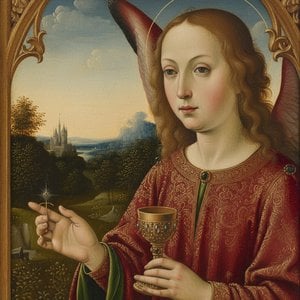
Embark on a journey through the luminous world of Early Netherlandish art. Discover the revolutionary oil techniques, microscopic realism, and sacred symbolism used by masters like Jan van Eyck to redefine Western art history in this expert-led guide.
 Peržiūrėti realaus dydžio版
 Pasidalinti
 Dalintis
 Išsamiau
 Vadovas

 Atsisiųsti
 Panašūs eksponatai
 Rentgeno spindulių nuotrauka
 Automatinė diorama
 问答
问答
 Statistika


 Skaityti daugiau









 Stiklo variantas prieinamas tik pasirinkus dydį iki 110 cm


