Autoriaus biografija
Hansas Memlingas: Brugės meistras, detalės ir patronato menininkas
Hansas Memlingas (apie 1430 – rugpjūčio 11 d., 1494 m.), gimęs Seligenštate, Vokietijoje, yra vienas svarbiausių ankstyvojo Nyderlandų tapybos atstovų – judėjimo, pasižyminčio išskirtiniu realizmu, kruopščiu gamtos stebėjimu ir giliumi dvasiniu apmąstymu. Nors jo jaunystės metai prabėgo daugiausia Reino krašto meno aplinkoje, Memlingo kelias galiausiai nuvedė jį į Brugę, Belgiją, kur jis įsitvirtino kaip vienas žymiausių to meto menininkų ir sukūrė gausią dirbtuvę, skleisiančią jo savitą stilių visoje Europoje.
Ankstyvieji gyvenimo etapai ir mokymasis
Tikslios biografinės detalės apie Memlingo gimimą lieka neaiškios, tačiau mokslininkai sutaria, kad jis kilęs iš Mainco apie 1430 metus. Jo meninis ugdymas prasidėjo Rogierio van der Weyden’o, flamandų tapybos titano, mokinystėje. Van der Weyden’o meistriškumas aliejine tapyba ir skulptūrinis modeliavimas turėjo didelės įtakos Memlingo technikai. Ši mokymosi patirtis suteikė jam nepajudinamą atsidavimą detalėms – bruožą, kuris apibrėžė visą jo kūrybą. Jaunasis Hansas kruopščiai studijavo kompoziciją, spalvų derinimo subtilybes ir šviesos bei šešėlio žaidimą, įsisavindamas ankstyvojo flamandų meno filosofiją – tikrovės atspindį drobėje.
Brugė ir dirbtuvė
Apie 1465 metus Memlingas gavo Brugės piliečio statusą – klestinčiame prekybos centre ir meno epicentre. Jis suvokdamas bendradarbiavimo kūrybiškumo potencialą, įkūrė dirbtuves su daugybe asistentų, skatinančias inovacijų ir stilistinio nuoseklumo aplinką. Šios dirbtuvės greitai išgarsėjo gaminant stulbinamus meno šedevrų atgamintus darbus – tai liudija Memlingo įgūdžius kaip menininką ir pedagogą. Dirbtuvėse buvo puoselėjami jauni talentai, kurie mokėsi jo technikos ir estetinių principų, o vėliau patys skleidė jo stilių visoje Europoje.
Stilius, apibrėžiamas tikslumu ir patronatu
Memlingo meninis stilius yra akimirksniu atpažįstamas: jį charakterizuoja šviesios spalvų paletės, subtiliai perteikti draperijos raukšlės ir nuostabus anatomijos tikslumas. Jis kruopščiai studijavo žmogaus anatomiją – semdamasis įkvėpimo iš klasikinės skulptūros – kad pasiektų neprivalomo realizmo savo portretuose ir religinėse scenose. Skirtingai nuo daugelio jo bendraamžių, kurie teikė pirmenybę ekspresyviems potepiams, Memlingas pirmautino kruopščiam stebėjimui ir kantriam įgyvendinimui, todėl jo darbuose atsirado ramus grožis ir gili dvasinė giluma. Jo paveikslai spindėjo šviesos ir spalvos harmonija, o detalės buvo perteiktos su nepaprastu tikslumu, sukuriant įspūdį, kad paveikslo personažai yra gyvi ir kvėpuojantys.
Religinės užsakymai
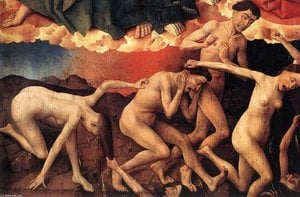
Memlingo reputacija pakilo dėl pelningų užsakymų iš turtingų patronų – daugiausia dvasininkų ir aristokratijos šeimų, kurie ieškojo šventųjų ir biblinių pasakojimų vaizdų, rezonuojančių su religingumu ir prestižu. Žymūs pavyzdžiai apima „Paskutinį teismą“ Šv. Jono ligoninėje Brugėje – monumentalų freską, demonstruojančią Memlingo meistriškus kompozicinius įgūdžius ir dramatišką spalvų naudojimą. Kiti svarbūs darbai apima „Šventos Uršulos ciklas“, kuriame perteikiamas šios šventos gyvenimo pasakojimas, ir daugybė Madonų su kūdikiu Jėzumi, spinduliuojančios ramybe ir motiniškumu.
Portretinė tapyba
Memlingas puikiai sekėsi kaip portretistas, užfiksuodamas žymių asmenų atvaizdus nepaprastu jautrumu ir psichologiniu įžvalgumu. Jo portretai – tokie kaip „Vyro su rodykle portretas“ – demonstruoja jo gebėjimą perteikti charakterį subtiliomis gestais ir veido išraiškomis – įgūdis, kuris įtvirtino jo vietą tarp didžiausių to meto menininkų. Jo portretai nebuvo tik fizinis atvaizdavimas; jie buvo gilūs psichologiniai portretai, atspindintys modelio asmenybę ir vidinį pasaulį.
Įtaka ir palikimas
Memlingo meninis palikimas apima jo gyvenimo laiką. Jo dirbtuvė sukūrė didžiulį kiekį paveikslų – daugelis iš jų stiliaus požiūriu panašūs į originalius darbus, kurie skleidė Memlingo savitą estetiką visoje Flandrijoje ir už jos ribų. Be to, Memlingo kruopšti technika buvo įkvėpimas vėlesnės kartos menininkams – ypač Kvintinui Masysui, kuris įkūrė Antverpeno mokyklą – įtvirtindamas Memlingo poziciją kaip flamandų renesanso meno kertinį akmenį.
Atradimas iš naujo ir nuolatinis populiarumas
Memlingo meniniai pasiekimai buvo didžia dalimi pamiršti iki XIX amžiaus, kai mokslininkai atrado jo paveikslus ir gynė jo genijų. Šiandien Memlingo darbai – ypač „Paskutinis teismas“ – vis tiek stebina publiką visame pasaulyje, tarnaudami kaip nuolatiniai meno meistriškumo ir dvasinio apmąstymo simboliai. Jo kruopštus dėmesys detalėms ir gili žmogaus psichologijos supratimas išlieka nepaprastai aktualūs mūsų šiuolaikiniame meno istorijos įvertinime.



 Peržiūrėti realybėje
 Perejti prie spausdinimo
 Pasidalinti
 Dalintis
 Išsamiau

 Atsisiųsti
 Panašūs eksponatai
 Rentgeno nuotrauka
 Automatinė diorama
 Statistika


 Skaityti daugiau


![Scrovegni - Last Judgment (detail) [04] — Džotas Di Bondonė, Proto-renaissance](/media/artworks/images-thumb/2c/cc/2cccbf5d66de604df5c3cc5658637344.jpg)