NEMOKAMA MENO KONSULTACIJA

x
Pirkti atspaudą Pirkti atspaudąUžsisakyti kopiją Užsisakyti kopiją PasidalintiPasidalinti
IšsamiauIšsamiau Pridėti į mėgstamiausius Pridėti į mėgstamiausius AtsisiųstiAtsisiųsti Panašūs eksponataiPanašūs eksponatai RentgenogramąRentgenogramą Automatinė dioramaAutomatinė diorama

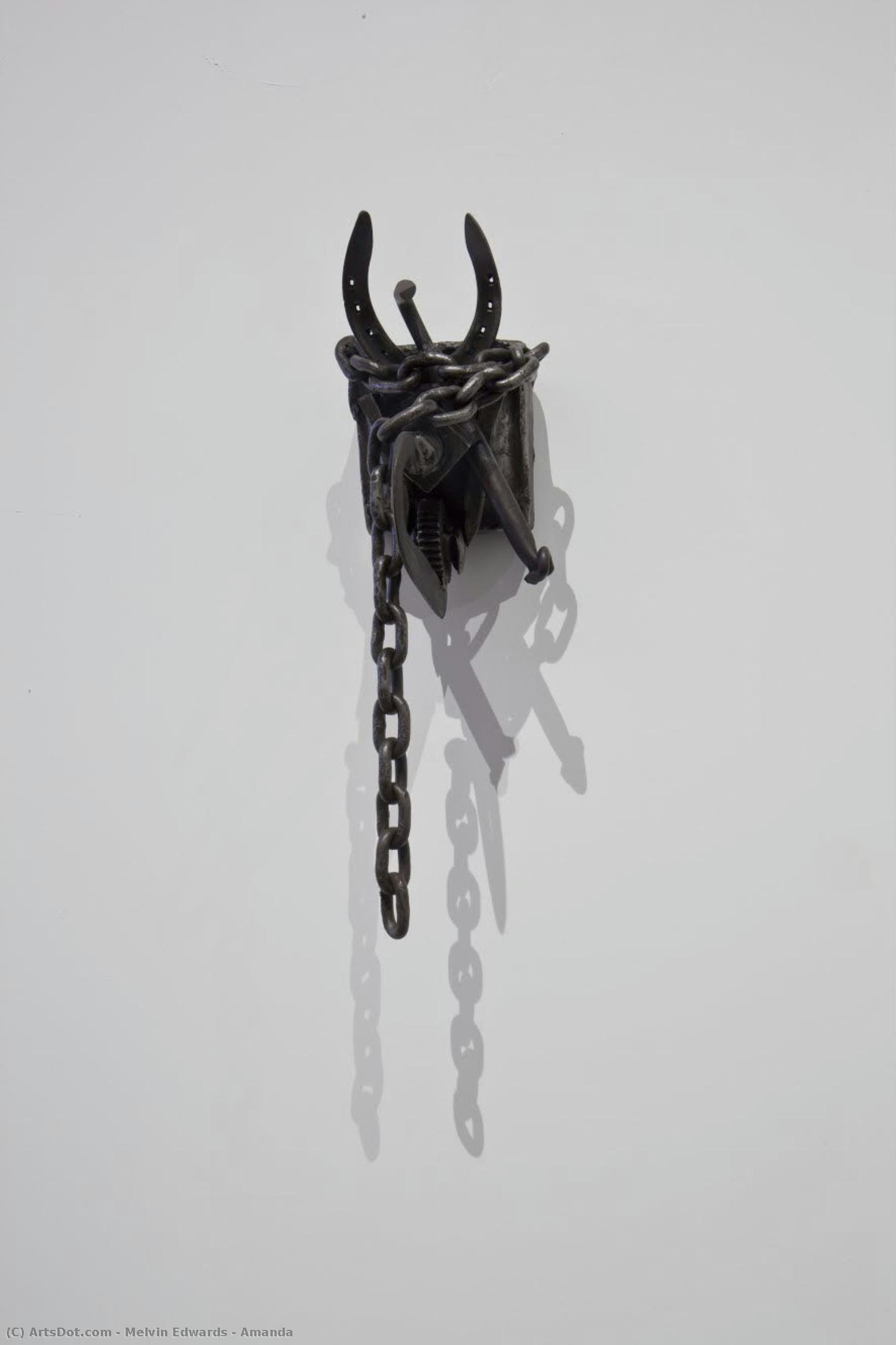
Amanda

A powerful abstract steel relief by Melvin Edwards captures themes of resilience through fragmented forms and industrial textures, offering a profound piece for collectors to explore the depths of contemporary sculpture.

Explore the powerful abstract steel sculptures of Melvin Edwards! Known for his 'Lynch Fragments' & explorations of African-American history, slavery, & political themes. A vital voice in contemporary art.

Įsigykite aukštos skiriamosios raiškos, patobulintą skaitmeninį vaizdą, gerokai pranašesnį už internetinę peržiūrą.

Kiekvieną failą mūsų specialistai kruopščiai paruošia naudojant pažangias technologijas ir profesionalų rankinį retušavimą. Užtikriname, kad kiekvienas vaizdas pasižymėtų išskirtiniu aiškumu, tikslia spalvų atspalviu ir smulkiomis detalėmis.

Baigiamas failas el. paštu pristatomas per 72 valandas; jis optimizuotas nedelsiant naudojimui profesionalioje, redakcinėje ir spausdinimo aplinkoje. Tai ta pati kokybė, kuria pasitiki aukščiausios klasės dizaino studijos, leidyklos ir galerijos.

Skaitmeninis vaizdas

Atsisiųskite didelės raiškos failą asmeniniam naudojimui, spausdinimui ir kūrybiniams projektams.

Visų sumos kaina

$9.99

Kiekvieną skaitinio vaizdo užsakymą papildė

Profesionalus skaitmeninis pristatymas, garantuotas

Pasirinkę WahooArt.com, jūs ne tik gaunate paveikslėlį – jūs gaunate profesionaliai patobudintą skaitmeninį kūrinį, sukurtą itin tikniai ir užtikrinantį pasitenkinimą. Štai viską, kas automatiškai pritékia jūsų užsakymui:

shipping_icon
Greitas siuntimas el. paštu

Jūsų aukštos raiškos skaitmeninis vaizdo failas bus išsiųstas jums el. paštu per 72 valaudas nuo užsakymo – paruoštas naudojimui be jokių papildomų veiksmų.

canvas_icon
Skaitmeninis failas su dirbtiniu intelektu

Jūsų meno kūrinys profesionaliai optimizuojamas naudojant pažangius dirbtinio intelekto įrankius ir rankinį redagavimą, užtikrinant maksimalią detalę, aiškumą ir spalvų tikslumą.

insurance_icon
Nemokamas visam laikui pakartotinis siuntimas

Atsitiktinai ištrytikote ar praradote savo failą? Nebijokite – bet kuriuo metu atsiųsime jį jums vėl nemokamai.

tax_icon
Jokio importo mokesčio – niekada

Mėgaukitės savo meno kūriniu akimirka – skaitiniai failai visada yra neapmokestinami, todėl nereikės mokėti muitinės, mokesčių ar pristatymo mokesčių.

color_icon
Spalvų tikslumo garantija

Naudodami profesionalią įrangą ir spalvų valdymo sistemas, užtikriname, kad jūsų skaitmeninis vaizdas kuo tiksliau atspindėtų originalias spalvas.

return_icon
60 dienų pasitenkinimo garantija

Jei nebuvate patenkinti savo skaitinio vaizdo, per 60 dienų jį pertaisysime arba grąkinsime 100% sumą – be jokių klausimų.

guarantee_icon
100% pinigų grąžinimo garantija

Nepat 만족inti? Gaukite visą sumokėtą sumą per 60 dienų nuo skaitmeninio failo gavimo – be jokių papildomų klausimų.

discount_icon
Nuolaidos dideliems užsakymams

Pirkti 3 nuotraukas – pasiūla 10% - Pirkti 5 – pasiūla 15% - Pirkti 10 ir daugiau – pasiūla 20%. Puikiai tinka kūrybiniams projektams, galerijoms bei agentūroms.

Trumpos informacija

  • Year: 1981
  • Location: Stephen Friedman Gallery
  • Movement: Abstract Expressionism
  • Medium: Welded Steel
  • Subject or theme: African American History
  • Artistic style: Formal Simplicity
  • Title: Amanda

Karo viktorina

Kiekviename klausime yra tik vienas teisingas atsakymas.

Klausimas 1:
What is Melvin Edwards known for?
Klausimas 2:
What material is 'Amanda' primarily constructed from?
Klausimas 3:
Which artistic movement does Melvin Edwards’ work exemplify?
Klausimas 4:
What is a prominent theme explored in Edwards' sculptures, reflecting his interest in social justice?
Klausimas 5:
Edwards taught at several prestigious art programs. Where was he primarily based during his teaching career?

Kolekcinio objekto aprašymas

Melvin Edwards: Sculpting Memory and Resilience

Melvin Edwards (born May 4, 1937) stands as a pivotal figure in contemporary American sculpture, recognized for his distinctive approach to abstraction and his unwavering engagement with themes of African-American history and the legacy of slavery. He is celebrated not merely for his mastery of form but also for his profound ability to imbue his work with emotional resonance—a testament to his understanding that art possesses the power to confront difficult truths and inspire contemplation about human experience. Raised amidst the segregated landscapes of Texas and later embraced by an integrated community in Ohio, Edwards’ formative experiences instilled within him a deep empathy for marginalized voices and fueled his artistic explorations toward confronting injustice. He relocated to California in 1955, initiating his professional art career during his undergraduate studies at UCLA, where he honed foundational skills in painting before transitioning to sculpture and welding techniques in the early 1960s. This decisive shift cemented his commitment to materiality as a conduit for conveying complex narratives—a strategy that would define his artistic trajectory throughout his illustrious career. Edwards’ sculptural journey culminated in a move to New York City in 1967, establishing himself within the vibrant crucible of postwar American art and forging connections with fellow innovators who challenged conventional aesthetic boundaries. His early explorations centered on welding steel, responding to the raw physicality of industrial materials and mirroring the ruggedness he perceived as emblematic of the African American struggle for dignity and equality. These initial works—often characterized by angular forms and asymmetrical compositions—served as a springboard for his subsequent investigations into more expansive conceptual frameworks. The resulting sculptures are not simply objects; they are embodiments of memory, grappling with historical trauma while simultaneously asserting resilience—a duality that underscores Edwards’ artistic vision. The centerpiece of Edwards' oeuvre is undoubtedly the series “Lynch Fragments,” begun in 1963 and continuing to evolve throughout his lifetime. These small, meticulously crafted steel assemblages—often referred to as “spike sculptures”—represent a radical departure from traditional sculptural conventions. Each piece consists of welded metal objects—spikes, scissors, chains, and fragments of industrial scrap—arranged into wall reliefs that defy easy categorization. Edwards himself described these works as metaphors for the experiences of African Americans confronting violence and oppression, referencing the lynching trials of Emmett Till and other pivotal moments in Black history. The deliberate fragmentation of form mirrors the fractured realities faced by individuals navigating systemic discrimination, while the incorporation of industrial materials speaks to the enduring influence of labor—particularly Black labor—within American society. Beyond their symbolic significance, Edwards’ sculptures possess a remarkable aesthetic quality rooted in formal simplicity and uncompromising materiality. He eschews elaborate ornamentation or decorative embellishments, prioritizing instead the inherent qualities of steel—its texture, its weight, its capacity for conveying both strength and vulnerability. The welding process itself is integral to the sculpture's expressive power, transforming raw metal into contorted shapes that appear to have been molded by forces beyond human control. This technique imbues each piece with a palpable sense of dynamism—a suggestion of movement and transformation—reflecting Edwards’ belief that art should engage viewers on an emotional level. The resulting sculptures are striking yet unpretentious, inviting contemplation about the relationship between form and content, materiality and meaning. Edwards' influence extends beyond his own artistic output; he has served as a mentor to generations of aspiring sculptors, fostering a tradition of experimentation and intellectual rigor within American art education. His unwavering dedication to exploring themes of social justice—coupled with his masterful command of sculptural technique—solidifies his position as one of the most important artists of our time. He continues to create monumental outdoor sculptures that engage audiences on a grand scale, furthering his commitment to using art as a tool for dialogue and reflection.

panašūs kūriniai


Autoriaus biografija

Melvin Edwards: Sculpting Memory and Resilience

Melvin Edwards (born May 4, 1937) stands as a pivotal figure in contemporary American sculpture, recognized for his distinctive approach to abstraction and his unwavering engagement with themes of African-American history and the legacy of slavery. Raised amidst the segregated landscapes of Texas and later embraced by an integrated community in Ohio, Edwards’ formative experiences instilled within him a profound understanding of social justice and fueled his artistic explorations. He relocated to California in 1955, initiating his professional art career during his undergraduate studies at UCLA, where he honed foundational skills in painting before transitioning to sculpture and welding techniques in the early 1960s. This pivotal shift cemented his commitment to materiality and form as vehicles for conveying complex narratives. Edwards’ artistic journey culminated in a move to New York City in 1967, establishing himself within the vibrant milieu of postwar abstraction and fostering collaborations with fellow artists who championed experimental approaches. His breakthrough came with the creation of ‘Lynch Fragments,’ a series of small, meticulously crafted steel assemblage sculptures that immediately captivated critics and collectors alike. These reliefs—composed of welded metal objects like spikes, scissors, chains, and other diminutive metal components—are characterized by their geometric precision and deliberate asymmetry, mirroring the fractured realities experienced by African Americans throughout history. The sculptures’ angular forms evoke a sense of tension and fragmentation, reflecting the trauma inflicted by racial oppression while simultaneously asserting an unwavering determination to persevere. Edwards' artistic vision draws heavily from influences ranging from Piet Mondrian’s reductive abstraction to Marcel Duchamp’s conceptual challenges to traditional sculptural conventions. He actively engages with the history of African American art and culture, referencing figures like Jacob Lawrence and Romare Bearden as sources of inspiration. Furthermore, Edwards’ work reflects a broader preoccupation with exploring the psychological impact of trauma—particularly the experience of slavery—through symbolic representations of violence and resilience. His sculptures serve not merely as visual objects but as potent statements about memory, identity, and the enduring struggle for liberation. Notable achievements include solo exhibitions at prestigious institutions such as the Whitney Museum of American Art in New York City, LACMA in Los Angeles, and the NJ State Museum in Trenton, showcasing his groundbreaking sculptural oeuvre to a global audience. His participation in over forty group exhibitions underscores his commitment to dialogue within the artistic community and contributes to a broader understanding of contemporary sculpture’s role in confronting social issues. Edwards continues to produce compelling artwork today, cementing his legacy as one of America's most important sculptors of our time.
melvin edwards

melvin edwards

1937 - , United States of America

Trumpai apie šį kūrėją

  • Artistic Movement Or Style: Abstract Sculpture
  • Date Of Birth: May 4, 1937
  • Full Name: Melvin Edwards
  • Nationality: American
  • Notable Artworks:
    • Lynch Fragments
    • Working Thought
  • Place Of Birth: Houston, United States