Peržiūrėti realaus dydžio版 Peržiūrėti AR realybėje Perjungti į spausdinimą Perejti prie skaitmeninių vaizdų Siųsti
Išsamiau Gidas Pridėti į mėgstamiausius Atsisiųsti Panašūs eksponatai Rentgeno spindulių nuotrauka Diaporama Statistika

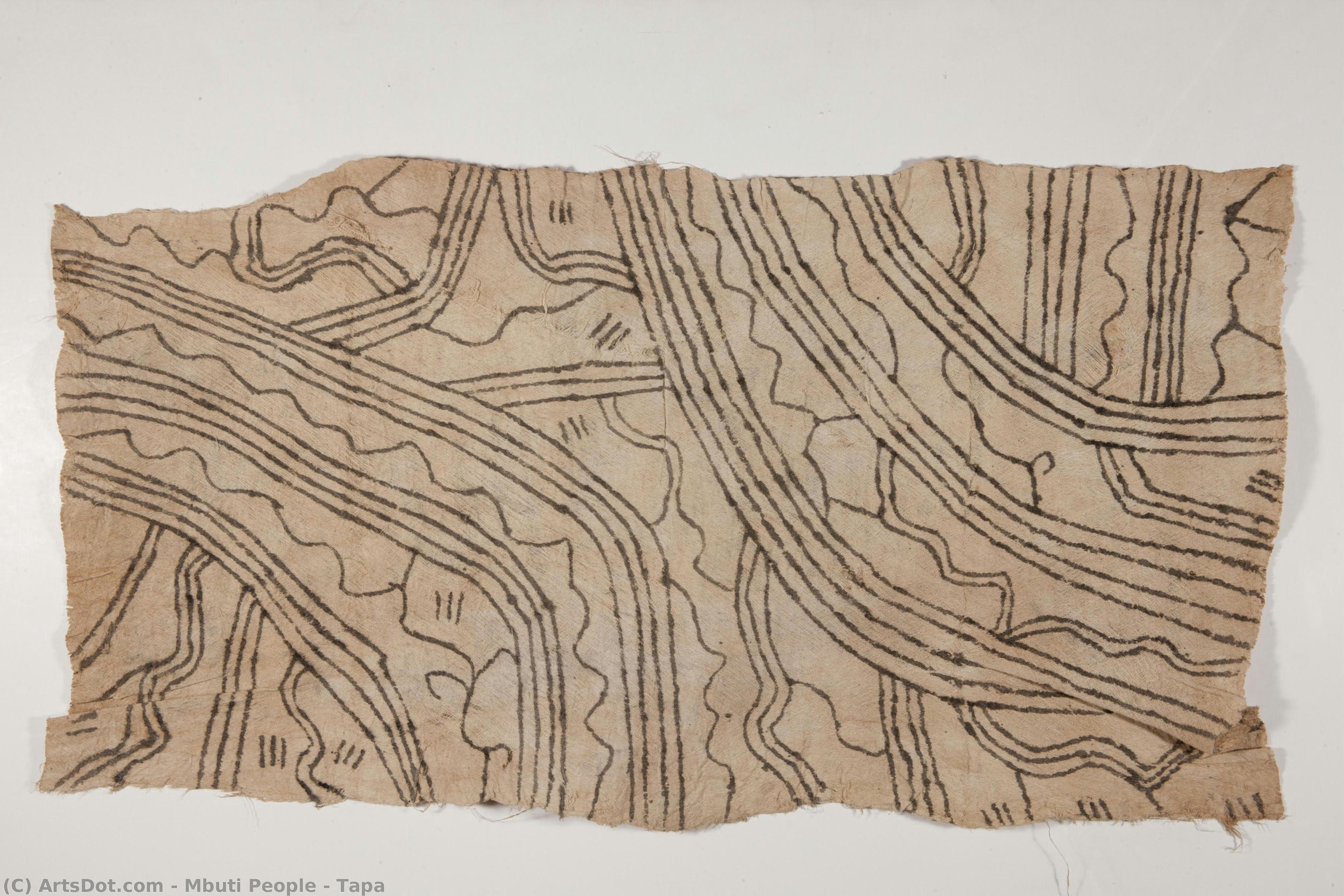
Tapa

Discover the unique art of the mbuti people! Traditional Tapa textiles showcase vibrant patterns & egalitarian social structures of this Congo group, living since 1890s.

Rankų darbo aliejinės reprodukcijos

Rankiniu būdu tapytas aliejus ant droblio jūsų pageidaujamame dydį ir rėmuose – mūsų menininkų darbas pagal užsakymą. ( Perjungti į spausdinimą Perejti prie skaitmeninių vaizdų)

Standartinis
individualaus dydžio
CM
INCH

Pasirinkite iš mūsų nustatytų dydžių, atitinkančių originalaus meno kūrinio proporcijas.

plotis
aukštis

Galite įvesti savo matmenis, kad jie atitiktų konkretų rėmą ar erdvę. Jei pasirinktas dydis neatitinka originalaus paveikslėlio proporcijų, mes arba apkropsime meno kūrinį, arba papildysime tapybą rankomis dažytい elementais. Prieš pradėdami gamybą, jūsų patvirtinimui atsiųsime skaitmeninį maketą.
Atkreipkite dėmesį, kad ekrane rodomas vaizdas neatspindi tikrojo apkarpymo ar papildymo. Tik maketas tiksliai parodys galutinę kompoziciją.
Nors galima rinktis ir individualius dydžius, rekomenduojame pasirinkti matmenis iš nustatytos sąrašo, kad būtų išlaikytos originalios proporcijos.

Ką galima pakeisti (pavyzdžiai): Pakeisti veidą į kliento nuotrauką; Pridėti augintinį (pvz., pakeisti katę šunimi); Įtraukti paslėptą žinutę fone; Pakeisti fono kraštovaizdį ar elementus.
Gavus užsakymą, WahooArt.com komanda susisieks su klientu el. paštu dėl instrukcijų ir pateiks maketo pavyzdį

Pristatymas visame pasaulyje () per 3–4 savaites, o ne įprastai – per 5 savaites. (24 rugsėjis). Kokybė lieka nepakeičiama.

why_choose_icon
Nemokamas greitasis pristatymas visame pasaulyje
why_choose_icon
Aukštos kokybės lininis drobė
why_choose_icon
Pilnas siuntimo draudimas
why_choose_icon
Muitinės mokesčių grąžinimo garantija
why_choose_icon
Tikro spalvų atitikimo garantija
why_choose_icon
100 dienų grąžinimo politika (tik esant įtaigoms)
why_choose_icon
100% pinigų grąžinimo garantija
why_choose_icon
Nuolaida dideliems užsakymams

Bendroji kaina

$ 272

reproduction

Tapa

Reprodukcijos technika

Reprodukcijos dydis

-

Visų pasirinktų variantų kaina

$ 272


Autoriaus biografija

The Soul of Egalitarian Tradition: Exploring Mbuti Art and Culture

The mbuti people, also known as bambuti, represent a remarkable corner of African cultural heritage – a vibrant tapestry woven from hunter-gatherer traditions that persist to this day. Originating in the Democratic Republic of Congo, their artistic expression is particularly noteworthy for its profound connection to social organization and egalitarian values, offering a unique lens through which to understand precolonial Africa.
  • Origins & Lifestyle: The mbuti inhabit dense rainforests of Central Africa, practicing a nomadic lifestyle centered around hunting wild animals like antelopes and bush pigs alongside gathering edible plants and insects. This subsistence economy profoundly shapes their worldview and informs the motifs found in their art.
  • Tapa Textiles – A Visual Language: Perhaps the most recognizable form of mbuti artistic achievement is Tapa cloth—woven from bark fibers—which serves as more than just clothing; it’s a visual record of social history, kinship ties, and ritual significance. The intricate geometric patterns aren't merely decorative; they encode information about clan membership, age grades, and individual status.
  • Symbolism & Narrative: Recurring motifs in Tapa textiles include spirals, diamonds, and zigzags—symbols that hold deep cultural meaning relating to fertility, protection, and the cyclical nature of life. These patterns often depict scenes from daily life, hunting expeditions, and ancestral narratives passed down through generations.
  • Influence & Contact History: European explorers began documenting mbuti culture in the late 19th century, sparking initial interest but also introducing pressures for assimilation. Despite these challenges—including attempts to settle them and introduce farming—the mbuti have steadfastly maintained their traditions, demonstrating resilience against external forces.
  • Contemporary Significance: Today, mbuti art continues to inspire artists globally, highlighting the enduring power of indigenous artistic expression rooted in egalitarian social structures. Museums like the Museum of the Galician People showcase collections that celebrate this cultural heritage and promote understanding of diverse perspectives on human experience.

Technique & Materials: The Craftsmanship Behind Tapa Cloth

The creation of Tapa cloth is a labor-intensive process, passed down through matrilineal lineages. Women meticulously prepare the bark fibers—typically from fig trees—removing thorns and splitting them into strips. These strips are then beaten with wooden mallets to flatten them and soften them before weaving them together using simple tools like combs and spindles. The resulting fabric is remarkably durable and retains its vibrant colors for decades, testament to the skill of mbuti artisans.

Exploring Related Artistic Traditions

The mbuti’s artistic heritage shares similarities with other hunter-gatherer societies across Africa, notably the Hadza people. Like the Hadza, mbuti artists prioritize functionality alongside aesthetic expression—creating objects that serve practical purposes while simultaneously conveying cultural values and storytelling.

Notable Achievements & Recognition

While formal documentation of mbuti art has been limited historically, its influence extends beyond ethnographic studies. Contemporary artists have drawn inspiration from mbuti motifs and techniques, incorporating them into their own creative endeavors—demonstrating the continuing relevance of this tradition in a global context.
mbuti people

mbuti people

Democratic Republic of the Congo

Trumpa informacija apie kūrėją

  • Artistic Movement Or Style: Traditional Tapa textiles
  • Full Name: mbuti people
  • Nationality: African
  • Notable Artworks: ['Tapa']
  • Place Of Birth: Democratic Republic of the Congo