x
Peržiūrėti realybėjePeržiūrėti realybėje Peržiūrėti ARPeržiūrėti AR Pirkti spaudinį Pirkti spaudinįPirkti rankomis tapytą paveikslą Pirkti rankomis tapytą paveikslą PasidalintiPasidalinti
IšsamiauIšsamiau Pridėti į mėgstamiausius Pridėti į mėgstamiausius AtsisiųstiAtsisiųsti Panašūs eksponataiPanašūs eksponatai Rentgeno nuotraukaRentgeno nuotrauka Automatinė dioramaAutomatinė diorama

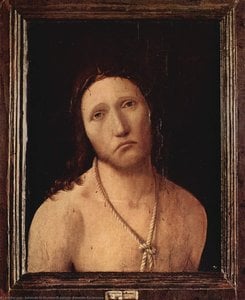
Saint Bartholomew

Discover 'Saint Bartholomew' by Matteo di Giovanni (1485), a stunning early Renaissance panel painting. Explore its red hues, detailed drapery & symbolic depth – a captivating piece of art history.

Explore the art of Matteo di Giovanni (1435-1495), a leading Sienese Renaissance painter! Discover his blend of local tradition & Florentine influence in Madonna, Massacre of Innocents & more. #RenaissanceArt #SieneseSchool

Įsigykite aukštos skiriamosios raiškos, patobulintą skaitmeninį vaizdą, gerokai pranašesnį už internetinę peržiūrą.

Kiekvieną failą mūsų specialistai kruopščiai paruošia naudojant pažangias technologijas ir profesionalų rankinį retušavimą. Užtikriname, kad kiekvienas vaizdas pasižymėtų išskirtiniu aiškumu, tikslia spalvų atspalviu ir smulkiomis detalėmis.

Baigiamas failas el. paštu pristatomas per 72 valandas; jis optimizuotas nedelsiant naudojimui profesionalioje, redakcinėje ir spausdinimo aplinkoje. Tai ta pati kokybė, kuria pasitiki aukščiausios klasės dizaino studijos, leidyklos ir galerijos.

Skaitmeninis vaizdas

Atsisiųskite didelės raiškos failą asmeniniam naudojimui, spausdinimui ir kūrybiniams projektams. (Pirkti spaudinį Pirkti spaudinįPirkti rankomis tapytą paveikslą Pirkti rankomis tapytą paveikslą)

Visų sumos kaina

$ 24,90

Kiekvieną skaitinio vaizdo užsakymą papildė

Profesionalus skaitmeninis pristatymas, garantuotas

Pasirinkę WahooArt.com, jūs ne tik gaunate paveikslėlį – jūs gaunate profesionaliai patobudintą skaitmeninį kūrinį, sukurtą itin tikniai ir užtikrinantį pasitenkinimą. Štai viską, kas automatiškai pritékia jūsų užsakymui:

shipping_icon
Greitas siuntimas el. paštu

Jūsų aukštos raiškos skaitmeninis vaizdo failas bus išsiųstas jums el. paštu per 72 valaudas nuo užsakymo – paruoštas naudojimui be jokių papildomų veiksmų.

canvas_icon
Skaitmeninis failas su dirbtiniu intelektu

Jūsų meno kūrinys profesionaliai optimizuojamas naudojant pažangius dirbtinio intelekto įrankius ir rankinį redagavimą, užtikrinant maksimalią detalę, aiškumą ir spalvų tikslumą.

insurance_icon
Nemokamas visam laikui pakartotinis siuntimas

Atsitiktinai ištrytikote ar praradote savo failą? Nebijokite – bet kuriuo metu atsiųsime jį jums vėl nemokamai.

tax_icon
Jokio importo mokesčio – niekada

Mėgaukitės savo meno kūriniu akimirka – skaitiniai failai visada yra neapmokestinami, todėl nereikės mokėti muitinės, mokesčių ar pristatymo mokesčių.

color_icon
Spalvų tikslumo garantija

Naudodami profesionalią įrangą ir spalvų valdymo sistemas, užtikriname, kad jūsų skaitmeninis vaizdas kuo tiksliau atspindėtų originalias spalvas.

return_icon
60 dienų pasitenkinimo garantija

Jei nebuvate patenkinti savo skaitinio vaizdo, per 60 dienų jį pertaisysime arba grąkinsime 100% sumą – be jokių klausimų.

guarantee_icon
100% pinigų grąžinimo garantija

Nepat 만족inti? Gaukite visą sumokėtą sumą per 60 dienų nuo skaitmeninio failo gavimo – be jokių papildomų klausimų.

discount_icon
Nuolaidos dideliems užsakymams

Pirkti 3 nuotraukas – pasiūla 10% - Pirkti 5 – pasiūla 15% - Pirkti 10 ir daugiau – pasiūla 20%. Puikiai tinka kūrybiniams projektams, galerijoms bei agentūroms.

Trumpos informacija

  • Title: Saint Bartholomew
  • Year: 1485
  • Dimensions: 90 x 56 cm
  • Subject or theme: Religious Figure
  • Artistic style: Smooth skin tones
  • Location: Museum of Fine Arts Budapest
  • Influences: Antonio Pollaiolo

Saint Bartholomew - A Tuscan Renaissance Masterpiece

Matteo di Giovanni’s “Saint Bartholomew,” painted around 1485 in Siena, stands as a testament to the burgeoning artistic fervor of Tuscany during the High Renaissance. More than just a depiction of biblical scripture—the Apostle’s martyrdom—it embodies a profound engagement with humanist ideals and masterful execution that continues to captivate viewers centuries later.

  • Subject Matter: The painting portrays Saint Bartholomew, one of Jesus Christ's twelve apostles, enduring the gruesome spectacle of flaying – a symbolic representation of his sacrifice for humanity.
  • Style & Technique: Giovanni adheres to the stylistic conventions established by Florentine artists like Antonio Pollaiuolo and Sassetta, prioritizing anatomical accuracy and dynamic drapery. Employing oil paint on panel, he achieves remarkable textural depth through layering and glazing techniques—a hallmark of Renaissance painting.

The composition is strikingly simple yet powerfully effective: the Apostle dominates the canvas with unwavering gaze, positioned at the edge of a stylized marble floor. Lines are precise and linear, delineating musculature and folds of clothing with meticulous detail. Geometric shapes – rectangles for drapery, circles for the halo—contribute to the painting’s visual harmony.

  • Historical Context: Produced during Alfonso II of Naples's siege of Siena (1480-1483), “Saint Bartholomew” reflects the anxieties and aspirations of its time. The commission coincided with a period of fervent religious devotion and artistic innovation, marking Giovanni’s contribution to Sienese Renaissance art.
  • Symbolism: Red—the dominant hue—signifies sacrifice and divine authority—a deliberate choice mirroring established iconographic traditions. The Apostle's flayed skin serves as an emblem of mortality and penitence, underscoring the theological significance of his martyrdom.

Beyond its formal qualities, “Saint Bartholomew” resonates with emotional depth. Giovanni’s masterful portrayal captures the Apostle’s unwavering resolve—a beacon of faith amidst suffering—inspiring contemplation and conveying a palpable sense of solemn grandeur. It is a work that transcends mere representation, inviting viewers to engage in a dialogue with timeless themes of spirituality and human resilience.

  • Provenance & Recognition: Initially attributed to Antonio Pollaiolo, the painting was later reassessed as a masterpiece by Matteo di Giovanni himself—a recognition validated by scholarly research and confirmed by stylistic analysis.
  • Contemporary Interpretations: The painting’s enduring appeal stems from its ability to evoke profound emotions and stimulate intellectual curiosity—a testament to Giovanni's artistic genius and the timeless beauty of Renaissance art.

Currently housed in the Museo Nazionale di San Matteo, Pisa, “Saint Bartholomew” remains a cornerstone of Tuscan Renaissance heritage—a captivating artwork deserving of careful observation and appreciation.


Autoriaus biografija

The Sienese Master: The Life and Legacy of Matteo di Giovanni

In the heart of the Italian Renaissance, amidst the winding streets of Siena, the brushstrokes of Matteo di Giovanni helped define an era of profound spiritual and aesthetic transformation. Born around 1435 in Borgo San Sepolcro, Matteo’s journey was one of migration and metamorphosis. Though his origins lay elsewhere, his soul became inextricably linked to the Sienese school, a movement characterized by its lyrical grace, rich ornamentation, and deep devotion. His life was marked not only by artistic pursuit but by a remarkable personal stability; through two marriages to women of significant wealth, Matteo secured the financial freedom necessary to acquire real estate and establish a lasting presence in the San Salvatore neighborhood of Siena.

The early years of Matteo’s career remain shrouded in the soft mists of history, yet the traces of his development are etched into the very fabric of his canvases. While no formal apprenticeship is recorded, scholars often look toward the workshop of the renowned sculptor and painter Vecchietta as a potential cradle for his talent. His style emerged as a sophisticated tapestry woven from various threads of influence: the delicate precision of the miniaturist Girolamo da Cremona, the robust Florentine energy of Antonio del Pollaiolo, and the established Sienese traditions set by masters such as Sassetta and Domenico di Bartolo. This unique synthesis allowed him to bridge the gap between the decorative elegance of the late Gothic period and the burgeoning humanism of the Renaissance.

A Career Forged in Gold and Devotion

Matteo’s early professional life was defined by the collaborative spirit of the 15th-century workshop. In 1452, he entered into a significant partnership with Giovanni di Pietro, a period during which they shared living quarters and worked side-by-side on monumental tasks. One of the most illuminating glimpses into his early technical skill comes from 1453, when records show Matteo coloring and gilding a sculpture of the Archangel Gabriel by the celebrated Jacopo della Quercia. This task—applying precious gold leaf to sacred forms—demonstrates his mastery over the luminous, tactile surfaces that would become a hallmark of his later altarpieces.

His growing reputation led him to contribute to the most sacred spaces in Siena. His hands helped embellish the organ shutters within the Siena Cathedral and played a vital role in the decoration of the San Bernardino Chapel. These commissions were more than mere jobs; they were spiritual contributions to the city's liturgical life. As his skill matured, Matteo’s work began to exhibit a more complex narrative depth, moving beyond simple iconography toward a more dramatic and emotionally resonant style that captured the attention of the most prestigious patrons in Tuscany.

The Pinnacle of Achievement and Historical Significance

The true measure of Matteo di Giovanni’s stature is found in his selection for the urban renewal projects of Pienza. As one of only four Sienese painters chosen to furnish altarpieces for the newly erected chapels of the Pienza Cathedral, he stood at the forefront of the era's most ambitious architectural and artistic endeavors. His contributions to this project, particularly the three altarpieces dating from 1460-62, serve as a definitive window into his evolving technique, showcasing a mastery of light, form, and sacred storytelling.

Matteo’s legacy is defined by several key artistic pillars:

  • Synthesis of Styles: His ability to blend the local Sienese tradition with the emerging anatomical realism of Florence.
  • Technical Brilliance: A profound command over gilding and color, creating works that shimmered with divine light.
  • Narrative Power: The capacity to transform religious scenes, such as the Massacre of the Innocents or various Madonna and Child compositions, into gripping human dramas.
  • Civic Impact: His role in shaping the visual identity of Siena and Pienza through monumental ecclesiastical commissions.

Though he passed away in 1495, the echoes of Matteo di Giovanni’s artistry continue to resonate. He remains a pivotal figure who navigated the transition from the medieval mindset to the Renaissance dawn, leaving behind a body of work that continues to inspire awe through its delicate beauty and enduring spiritual strength.

matteo di giovanni

matteo di giovanni

1435 - 1495 , Italy

Trumpai apie šį kūrėją

  • Artistic Movement Or Style: Sienese School, Renaissance
  • Artists Who Influenced This Artist:
    • Sassetta
    • Domenico di Bartolo
    • Antonio del Pollaiolo
  • Date Of Birth: 1435
  • Date Of Death: 1495
  • Full Name: Matteo di Giovanni
  • Nationality: Italian
  • Notable Artworks:
    • Madonna and Child
    • Massacre of the Innocents
  • Place Of Birth: Borgo San Sepolcro, Italy