x
Acrylic On Canvas
WallArt
Color Field Painting
1947
Late Medieval
98.0 x 92.0 cmRankiniu būdu tapytas aliejus ant droblio jūsų pageidaujamame dydį ir rėmuose – mūsų menininkų darbas pagal užsakymą.
Pasirinkite iš mūsų nustatytų dydžių, atitinkančių originalaus meno kūrinio proporcijas.
Galite įvesti savo matmenis, kad jie atitiktų konkretų rėmą ar erdvę. Jei pasirinktas dydis neatitinka originalaus paveikslėlio proporcijų, mes arba apkropsime meno kūrinį, arba papildysime tapybą rankomis dažytい elementais. Prieš pradėdami gamybą, jūsų patvirtinimui atsiųsime skaitmeninį maketą.
Atkreipkite dėmesį, kad ekrane rodomas vaizdas neatspindi tikrojo apkarpymo ar papildymo. Tik maketas tiksliai parodys galutinę kompoziciją.
Nors galima rinktis ir individualius dydžius, rekomenduojame pasirinkti matmenis iš nustatytos sąrašo, kad būtų išlaikytos originalios proporcijos.
Pristatymas visame pasaulyje () per 3–4 savaites, o ne įprastai – per 5 savaites. (1 liepa). Kokybė lieka nepakeičiama.
Untitled
Reprodukcijos matmenys
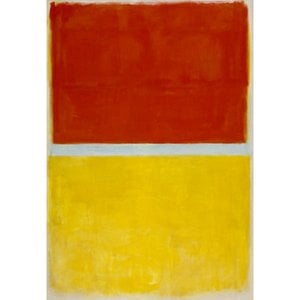
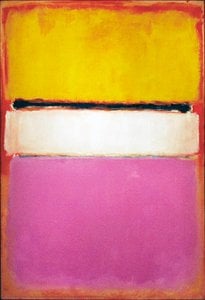
Mark Rothko's 1947 painting, simply titled “Untitled,” isn’t an invitation to narrative; it’s a plunge into pure feeling. Born in Dvinsk (now Daugavpils), Latvia, amidst the anxieties of a Jewish family navigating the turbulent landscape of Eastern Europe, Rothko carried within him a profound sensitivity to human suffering – a theme that would become a cornerstone of his artistic exploration. This early experience, coupled with the upheaval of immigration to Portland, Oregon, instilled in him a lifelong quest for understanding beyond the literal, seeking instead to capture the essence of existential questions through color and form. “Untitled” embodies this journey, representing not a depiction of something external but an internal landscape rendered in pigment.
The painting’s vertical format immediately draws the viewer into its space, creating a sense of both intimacy and expansiveness. The composition is dominated by clusters of geometric forms – rectangles, blocks, and hazy planes – arranged with deliberate asymmetry. These aren't sharply defined shapes; instead, they possess blurred and feathered edges, dissolving at the boundaries and merging seamlessly with one another. This technique, characteristic of Rothko’s mature style, avoids precise outlines, encouraging the eye to wander and lose itself within the interplay of color.
The color palette is deliberately restrained yet profoundly evocative. Muted tones – laurel green, coral orange, sky blue, gray, pewter black, and a delicate raspberry pink – dominate the canvas, creating an atmosphere of quiet contemplation. Rothko wasn’t interested in vibrant spectacle; he sought to evoke mood and emotion through subtle shifts in hue and value. Notice how the greens and blues subtly recede into the background, while the oranges and pinks advance, drawing the eye deeper into the painting's heart. The use of these specific colors – each carrying its own associations with nature, spirituality, and even melancholy – contributes to the work’s overall sense of introspection.
The layering of these colors is crucial. Rothko applied thin washes of paint, allowing them to bleed into one another, creating a hazy, atmospheric effect. This technique, known as “all-over painting,” eliminates any focal point, distributing the viewer's attention evenly across the entire surface. It’s an invitation to surrender to the experience of color itself, rather than searching for a specific subject or meaning.
While Rothko famously resisted assigning definitive interpretations to his paintings, “Untitled” undeniably resonates with themes of loss, longing, and the search for transcendence. The blurred forms can be seen as representing the fragmented nature of memory and experience, while the muted colors evoke a sense of sadness or melancholy. Some scholars have linked the painting’s color scheme to Rothko's own personal struggles with depression and his fascination with Eastern Orthodox spirituality – a tradition that emphasized contemplation and the pursuit of divine union through meditative practices.
Ultimately, “Untitled” is not about representing something concrete; it’s about creating an emotional experience. It’s a painting that invites viewers to engage in a silent dialogue with their own inner selves, prompting reflection on fundamental questions about life, death, and the human condition. The beauty of Rothko's work lies in its ability to bypass intellectual analysis and speak directly to our emotions, offering a moment of profound stillness in an increasingly chaotic world.
1903 - 1970 , Latvija
Pasakokite mums apie savo projektą, o mūsų meno ekspertai parengs jums 3 asmeniškus meno pasiūlymus.
Leiskite mums parinkti 3 variantus būtent jums – nemokamai!