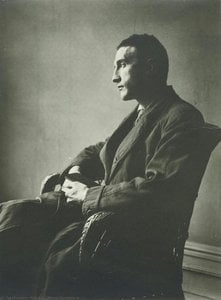
Revoliucijos Siela: Marcelio Duchampo Gyvenimas ir Menas
Marcelis Duchampas, gimęs Henri-Robert-Marcel Duchamp 1887 metais Blainville-Crevone, Normandijoje, nebuvo tik menininkas; tai buvo filosofinis provokatorius, kuris fundamentaliai pakeitė šiuolaikinės dailės eigą. Jo ankstyvieji metai, nors ir atrodę įprasti – auginami šeimoje, vertinusioje meninę raišką, su broliais sekusiais sėkmingas karjeras mene – numojo į artėjančią ikonoklastiją. Duchampas pradžioje ėjo formalų mokymąsi, įvaldydamas tradicinius metodus ir eksperimentuodamas su post-impresionistiniu stiliumi. Tačiau šis akademinis pagrindas netapo saviveiksle, o veikiau trampilinu, kuris iššūkį metė pačiai meno prigimsčiai, paskirčiai ir apibrėžčiai. Jis nenusitaręs tiesiog pavaizduoti pasaulį; jis siekė pakelti klausimus apie tai, kaip mes jį suvokime, ir kas sudaro meninę vertę. Šis neramus intelektualus smalsumas taptų jo gausios karjeros apibrėžiančiu bruoku.
Nuo Kubizmo iki Dadaizmo: Atsisakymas Konvencijų
Duchampo meno kelionė buvo pažymėta nuolatiniu vystymusi, sąmoningu nustatyto normų atmetimu. Jo ankstyvas susidūrimas su kubizmu, matomas tokiuose darbuose kaip *Portretas šachmatininkų* (1911), parodė susidomėjimą fragmentuotais dariniais ir keliais požiūriais – tai atitraukimas nuo tradicinio vaizdavimo. Tačiau jis greitai perėjo už grynai estetinio rūpesčio, suprasdamas, kad tiesiog perkeliant vizualinius elementus nepakanka spręsti gilesnius klausimus, kurie jame sukosi. Pasaulinio karo siaubai sustiprino šį nepasitenkinimą, paskatindami Duchampą priimti dadaizmą – judėjimą, gimusią nusivylimo ir atmetimo logikai, protui bei tradiciniams meniniams vertybėms. Būtent dadaistinio rėmo viduje Duchampas tikrai pradėjo demontuoti įprastus meno suvokimus. Jis nebuvo suinteresuotas kurti gražius daiktus; jis norėjo provokuoti mintis, mesti iššūkius prielaidoms ir atskleisti estetinės vertinimo savivaledybę. Šiuo laikotarpiu gimė jo radikaliausias naujumas: „readymade“.
Readymades ir Meno Subversija
„Readymade“ įvedimas – kasdieniai gamyklinius daiktus, atrinkti ir pateikti kaip menas – buvo Duchampo reikšmingiausias indėlis į 20-ąjį amžių. Tai nebuvo tiesiog rasti objektai; tai buvo sąmoningi meno subversijos aktai. Imdamasis kasdienio daikto, pavyzdžiui, vonios ( *Fontanas*, 1917), pasirašydamas „R. Mutt“ ir pateikdamas jį parodai, Duchampas išbandė pačią meninio įgūdžių ir autentiškumo apibrėžimą. Ar kūrinį sukūrė menininko ranka, ar menininko *idėja*? Šis klausimas tapo pagrindiniu jo praktikoje ir padėjo pamatus Konceptualiam Menui. Kiti žymūs „readymades“, tokie kaip *L.H.O.O.Q.* (1919), Mona Lizos atviruko reprodukcija, kurią išjuokė su ūsų ir barzda, buvo žaismingi, tačiau tikslingi kritikos istorijos ir įsitvirtinusių kultūrinių ikonų atžvilgiu. Šie darbai nebuvo skirti būti garbinamiems dėl jų estetinio kokybės; jie turėjo provokuoti diskusijas ir priversti žiūrovus persvarstyti savo išankstines nuomones apie tai, kas sudaro meną. Duchampas tikėjo, kad menas turėtų slypti mintyje, o ne tiesiog akyse.
Palikimas ir Nuolatinis Įtaka
Marcelio Duchampo įtaka paskesnėms menininkų kartoms yra neprieinama. Jis fundamentaliai pakeitė mūsų supratimą apie meną, atidaręs kelią tokiems judėjims kaip Konceptualus Menas, Minimalizmas, Pop Art ir daugybė kitų. Jo pabrėžimas menininko idėjos – darbo koncepcijos – virš jo estetinio kokybės – ir toliau įkvepia menininkus šiandien.
- Kubizmas: Ankstyvas fragmentuotų formų ir erdvės atvaizdų tyrinėjimai.
- Dadaizmas: Logikos, proto ir tradicinių meninių vertybių atmetimas, reaguojant į Pasaulinį karą I.
- Konceptualus Menas: Pabrėžiamas darbo idėja, o ne jo estetinės kokybės.
Jo darbas ir toliau provokuoja diskusijas ir iššaukia žiūrovus persvarstyti savo prielaidas apie kūrybiškumą ir meninę raišką. Duchampas nebuvo tik menininkas; jis buvo filosofas, provokatorius ir revoliucionierius, kuris drįso pakelti klausimus viskam. Jis išlieka pagrindiniu diskusijų dalyku apie meno prigimtį ir jo vaidmenį visuomenėje, jo palikimas stipriai rezonuoja šiuolaikinio meno pasaulyje.
Didysis stiklas (1915–1923), su savo sudėtinga simbolika ir paslaptingu vaizdumu, yra liudijimas jo intelektinio atkaklumo ir nuolatinės įtakos. Duchampo darbas nėra apie pateikimą atsakymų; tai apie klausimų keliamą – klausimus, kurie ir toliau iššaukia ir įkvepia mus šiandien.



 Peržiūrėti realaus dydžio版
 Perjungti į spausdinimą
 Siųsti
 Dalintis
 Išsamiau
 Vadovas

 Atsisiųsti
 Panašūs eksponatai
 Rentgeno spindulių nuotrauka
 Diaporama
 Statistika


 Rodyti daugiau


![Genre Allegory [george Washington] — Marselis Diušanas, Surrealism](/media/artworks/images-thumb/90/d9/90d9ce324280fe5002abd42626b6c52f.jpg)