


Šiame puslapyje rodomas meno kūrinys yra saugomas autorių teisių įstatymais, todėl neturime teisės legaliai kurti ar parduoti jo identiškos reprodukcijos. Ši apsauga užtikrinama remiantis tokiais tarptautiniais susitarimais kaip Bernės konvencija ir pagal nacionalines įstatymų nuostatas, įskaitant tas, kurias nurodo JAV autoriškos teisės įstatymas – 17-asis skyrius.
Šis metodas visiškai atitinka autorių teises, nes jame nėra saugomo kūrinio kopijavimo ar dubliavimo. Tai yra kūrybinė reinterpretacija – naujas paveikslas, kurį įkvėpė originalas, tačiau kuris nėra jo identiškas.
Muziejų lygio „giclée“ arba drobos spausdinimas: greita gamyba ir lankstios apdailos parinktys. ( Pirkti rankų darbo tapybą Perejti prie skaitmeninių vaizdų)





























Pasirinkite iš mūsų nustatytų dydžių, atitinkančių originalaus meno kūrinio proporcijas.

Įveskite jums reikiamą plotį ir aukštį, kad atvaizdas derėtų prie jūsų rėmo ar sienos. Spausdiną galima tik sumažinti, bet nepadidinti virš originalaus paveikslėlio dydžio, todėl keičiant proporcijas, dalis vaizdo prarandama. Prieš spausdinimą atsiųsime jums skaitmeninį maketą patvirtinimui. Šioje puslapio nuotraukoje matomas pjūvis nėra tikslus – jį rodo tik maketas.
Pristatymas visame pasaulyje () per 2 weeks, o ne įprastas 4/5 savaičių laikotarpis. (8 lapkritis)
The Chess Players
Reprodukcijos matmenys
Marcel Duchamp’s The Chess Players isn't merely a depiction of two men engaged in a game; it’s a profound meditation on the nature of representation, perspective, and the very act of seeing. Completed in 1911, this seminal work stands as a pivotal piece within Proto-Cubism – a transitional phase between traditional representational art and the fully realized geometric abstractions of Cubism itself. Duchamp, a restless intellectual and provocateur, deliberately dismantled conventional artistic norms, inviting viewers to question what constitutes ‘art’ and how we interpret the world around us. The painting's power lies not in its realistic portrayal but in its fragmented forms, overlapping planes, and unsettling intimacy between the figures – a visual embodiment of the complex interplay of thought and emotion.

To understand The Chess Players, one must grasp the context of Proto-Cubism. This movement, flourishing between 1906 and 1910, represented a crucial stepping stone towards Cubism’s revolutionary impact on art. Artists like Duchamp began to move away from faithfully replicating reality, instead experimenting with geometric simplification and multiple viewpoints simultaneously. The reduction in color palette – predominantly muted earth tones – further emphasized this shift toward abstraction. Duchamp's approach wasn’t about creating a visually pleasing image; it was an exploration of how objects could be broken down, analyzed, and reassembled within the confines of a single canvas, offering a new way to perceive spatial relationships.
The painting's composition is laden with symbolic weight. The two men, positioned close together with their heads touching or appearing to kiss, create an intensely intimate scene. This isn’t a casual encounter; it suggests a deep connection, perhaps even rivalry, fueled by the strategic complexities of chess. The chessboard itself, subtly integrated into the background, becomes a metaphor for life – a game of strategy, deception, and ultimately, human interaction. The presence of the third figure in the distance adds another layer of intrigue, hinting at an unseen force or influence shaping their dynamic. Duchamp’s genius lies in his ability to convey profound ideas through deceptively simple imagery.
The Chess Players is more than just a beautiful painting; it's a cornerstone of modern art history and a precursor to the rise of conceptualism. Duchamp’s deliberate rejection of traditional artistic conventions paved the way for artists like Dada, Surrealism, and Pop Art – movements that challenged established notions of beauty, skill, and the role of the artist. The painting’s influence extends far beyond the realm of visual art, impacting music, literature, and architecture as well. Today, owning a high-quality reproduction of The Chess Players offers a unique opportunity to connect with this groundbreaking artistic movement and appreciate Duchamp's enduring legacy. WahooArt.com provides an exceptional way to bring this iconic work into your home or office, allowing you to experience the power of Proto-Cubism firsthand.
Living Room erdvėje „The Chess Players“ siūloma spausdinti Medium dydžiu.
„The Chess Players“ klasifikuojamas kaip Iconic.
„The Chess Players“ priklauso Marselis Diušanas Cubism kūrybai, kurios įrašytoms temoms priskiriamas cubism’s geometric exploration, challenging traditional perception, dadaist intellectual questioning, chess as conceptual metaphor, early 20th-century avant-garde.


1887 - 1968 , Prancūzija

Embark on a journey through the revolutionary world of Cubism. Discover how masters like Picasso redefined perspective through Analytical and Synthetic techniques in this expert-led guide for art enthusiasts and collectors.

Discover the breathtaking allure of Art Deco. Explore the era's iconic geometry, legendary designers like Erté, and timeless glamour. Perfect for discerning collectors seeking to infuse their spaces with sophisticated modernist elegance and historical prestige.

Explore the profound evolution of Cubism through an expert analysis of Pablo Picasso's revolutionary works. From Analytical to Synthetic Cubism, discover the techniques that redefined modern art and learn how to curate these iconic masterpieces for your private collection.
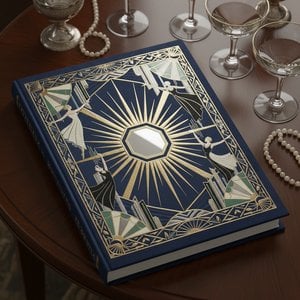
Discover the allure of Art Deco through a curated guide to its most iconic masterpieces. Explore the elegance of Erté and the innovation of Jean Dunand, perfect for collectors seeking timeless glamour and sophisticated design inspiration.
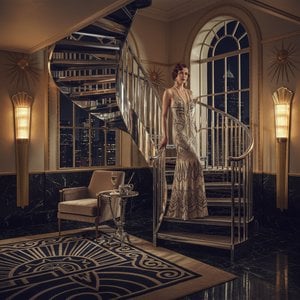
Discover the allure of Art Deco style with our expert guide to luxury interiors. Explore iconic influences from Erté to Jean Dunand and learn to curate a sophisticated space filled with timeless glamour and geometric elegance.
 Peržiūrėti realaus dydžio版
 Pasidalinti
 Dalintis
 Išsamiau
 Vadovas

 Atsisiųsti
 Panašūs eksponatai
 Rentgeno spindulių nuotrauka
 Automatinė diorama
 问答
问答
 Statistika

 Skaityti daugiau









 Stiklo variantas prieinamas tik pasirinkus dydį iki 110 cm


