


 TemperaWallArtBiblical Expressionism
 1931Modern
 62.0 x 49.0 cm
Rankiniu būdu tapytas aliejus ant droblio jūsų pageidaujamame dydį ir rėmuose – mūsų menininkų darbas pagal užsakymą. ( Pirkti spaudinį Pirkti vaizdą)





























Pasirinkite iš mūsų nustatytų dydžių, atitinkančių originalaus meno kūrinio proporcijas.

Galite įvesti savo matmenis, kad jie atitiktų konkretų rėmą ar erdvę. Jei pasirinktas dydis neatitinka originalaus paveikslėlio proporcijų, mes arba apkropsime meno kūrinį, arba papildysime tapybą rankomis dažytい elementais. Prieš pradėdami gamybą, jūsų patvirtinimui atsiųsime skaitmeninį maketą.
Atkreipkite dėmesį, kad ekrane rodomas vaizdas neatspindi tikrojo apkarpymo ar papildymo. Tik maketas tiksliai parodys galutinę kompoziciją.
Nors galima rinktis ir individualius dydžius, rekomenduojame pasirinkti matmenis iš nustatytos sąrašo, kad būtų išlaikytos originalios proporcijos.
Pristatymas visame pasaulyje () per 3–4 savaites, o ne įprastai – per 5 savaites. (6 rugsėjis). Kokybė lieka nepakeičiama.


Three angels visit Abraham
Reprodukcijos matmenys
In the ethereal realm of Marc Chagall’s “Three Angels Visit Abraham,” the boundaries between the earthly and the divine dissolve into a luminous tapestry of memory and myth. Created in 1931, this masterpiece serves as a profound meditation on the biblical narrative from Genesis, capturing the pivotal moment when three celestial messengers descend to visit Abraham. Chagall does not merely illustrate a scriptural event; he invites the viewer into a dreamscape where the weight of tradition meets the boundless freedom of the imagination. The scene is populated by a delicate dance of figures—angels perched upon benches and humans sharing in a quiet, sacred hospitality—creating an atmosphere that feels simultaneously like a momentous historical event and a fleeting, intimate vision glimpsed through the veil of sleep.
The painting’s power lies in its masterful use of Surrealist sensibilities, though Chagall’s hand remains deeply rooted in the folk traditions of his Belarusian upbringing. Rather than adhering to rigid realism, the artist employs a language of distorted forms and improbable juxtapositions to evoke deep emotional truths. The angular, almost otherworldly silhouettes of the angels provide a striking contrast to the softer, more grounded contours of the human figures. This tension between the celestial and the terrestrial is further heightened by Chagall’s vibrant palette. Bold washes of primary yellows, deep blues, and resonant reds are layered with a painterly touch, imbuing the canvas with a translucent, glowing quality that suggests the very presence of the divine light.
Every element within this composition serves as a vessel for deeper meaning, making it an extraordinary piece for those who appreciate art as a spiritual journey. The use of tempera on canvas allows for a rich, saturated pigment that anchors the whimsical subject matter in a sense of permanence and gravity. As one observes the figures holding wine glasses and cups, the act of hospitality is elevated to a ritualistic level, symbolizing the warmth of human connection and the openness of the soul to divine intervention. The interplay of light and shadow does not merely define shape but acts as a narrator, guiding the eye through a landscape where gravity is but a suggestion and color speaks the language of the soul.
For the discerning collector or interior designer, "Three Angels Visit Abraham" offers more than mere decoration; it provides a focal point of profound intellectual and emotional depth. The artwork possesses a unique ability to transform a space, infusing a room with a sense of wonder, peace, and historical resonance. Whether placed in a quiet study or as a centerpiece in a grand salon, this reproduction captures the enduring legacy of Chagall’s vision—a vision that celebrates the transformative power of belief and the eternal beauty found in the intersection of the human spirit and the infinite.


1887 - 1985 , Baltarusija

Embark on a visual journey through the subconscious. Explore our expert guide to Surrealist landscapes, uncovering the dreamlike techniques of masters like Dalí to deepen your appreciation for this captivating art movement.

Embark on a sophisticated journey through the subconscious with our expert guide to Surrealist painting. Discover the profound symbolism of masters like Dalí and learn how to curate dreamlike, museum-quality masterpieces for your private collection.
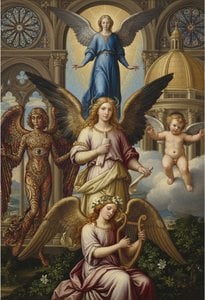
Explore the profound beauty of angelic figures in art history. From Renaissance masterpieces to celestial symbolism, our expert guide offers a sophisticated journey through the divine imagery of the Old Masters for discerning collectors and art enthusiasts.

Embark on a visual journey through the most captivating Surrealist masterpieces. From Dalí's dreamscapes to symbolic enigmas, discover expert insights for the discerning collector looking to acquire museum-quality fine art reproductions and bespoke commissions.

Explore the profound depths of Surrealism. Discover how masters like Dalí and Ernst unlocked the subconscious through dreamlike imagery, and learn to integrate these evocative, museum-quality masterpieces into your private collection with expert art historical insight.

 Peržiūrėti realybėje
 Pasidalinti
 Dalintis
 Išsamiau

 Atsisiųsti
 Panašūs eksponatai
 Rentgeno nuotrauka
 Automatinė diorama
 Skaityti daugiau







 Stiklo variantas prieinamas tik pasirinkus dydį iki 110 cm


