NEMOKAMA MENO KONSULTACIJA

x
Pirkti atspaudą Pirkti atspaudąUžsisakyti kopiją Užsisakyti kopiją PasidalintiPasidalinti
IšsamiauIšsamiau Pridėti į mėgstamiausius Pridėti į mėgstamiausius AtsisiųstiAtsisiųsti Panašūs eksponataiPanašūs eksponatai Rentgeno nuotraukaRentgeno nuotrauka Automatinė dioramaAutomatinė diorama

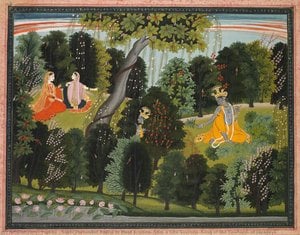
Untitled (D2XACE)

Magnificent 1725 miniature painting by manaku depicting a dramatic Hindu myth scene! Intricate details, layered artistry & earthy tones showcase traditional Indian style. A captivating piece for art collectors.

Explore Manaku (1700-1760), a master of Pahari painting from Guler, India. Discover his Ramayana & Gita Govinda masterpieces and the brilliance of this rediscovered artist.

Įsigykite aukštos skiriamosios raiškos, patobulintą skaitmeninį vaizdą, gerokai pranašesnį už internetinę peržiūrą.

Kiekvieną failą mūsų specialistai kruopščiai paruošia naudojant pažangias technologijas ir profesionalų rankinį retušavimą. Užtikriname, kad kiekvienas vaizdas pasižymėtų išskirtiniu aiškumu, tikslia spalvų atspalviu ir smulkiomis detalėmis.

Baigiamas failas el. paštu pristatomas per 72 valandas; jis optimizuotas nedelsiant naudojimui profesionalioje, redakcinėje ir spausdinimo aplinkoje. Tai ta pati kokybė, kuria pasitiki aukščiausios klasės dizaino studijos, leidyklos ir galerijos.

Skaitmeninis vaizdas

Atsisiųskite didelės raiškos failą asmeniniam naudojimui, spausdinimui ir kūrybiniams projektams.

Visų sumos kaina

$9.99

Kiekvieną skaitinio vaizdo užsakymą papildė

Profesionalus skaitmeninis pristatymas, garantuotas

Pasirinkę WahooArt.com, jūs ne tik gaunate paveikslėlį – jūs gaunate profesionaliai patobudintą skaitmeninį kūrinį, sukurtą itin tikniai ir užtikrinantį pasitenkinimą. Štai viską, kas automatiškai pritékia jūsų užsakymui:

shipping_icon
Greitas siuntimas el. paštu

Jūsų aukštos raiškos skaitmeninis vaizdo failas bus išsiųstas jums el. paštu per 72 valaudas nuo užsakymo – paruoštas naudojimui be jokių papildomų veiksmų.

canvas_icon
Skaitmeninis failas su dirbtiniu intelektu

Jūsų meno kūrinys profesionaliai optimizuojamas naudojant pažangius dirbtinio intelekto įrankius ir rankinį redagavimą, užtikrinant maksimalią detalę, aiškumą ir spalvų tikslumą.

insurance_icon
Nemokamas visam laikui pakartotinis siuntimas

Atsitiktinai ištrytikote ar praradote savo failą? Nebijokite – bet kuriuo metu atsiųsime jį jums vėl nemokamai.

tax_icon
Jokio importo mokesčio – niekada

Mėgaukitės savo meno kūriniu akimirka – skaitiniai failai visada yra neapmokestinami, todėl nereikės mokėti muitinės, mokesčių ar pristatymo mokesčių.

color_icon
Spalvų tikslumo garantija

Naudodami profesionalią įrangą ir spalvų valdymo sistemas, užtikriname, kad jūsų skaitmeninis vaizdas kuo tiksliau atspindėtų originalias spalvas.

return_icon
60 dienų pasitenkinimo garantija

Jei nebuvate patenkinti savo skaitinio vaizdo, per 60 dienų jį pertaisysime arba grąkinsime 100% sumą – be jokių klausimų.

guarantee_icon
100% pinigų grąžinimo garantija

Nepat 만족inti? Gaukite visą sumokėtą sumą per 60 dienų nuo skaitmeninio failo gavimo – be jokių papildomų klausimų.

discount_icon
Nuolaidos dideliems užsakymams

Pirkti 3 nuotraukas – pasiūla 10% - Pirkti 5 – pasiūla 15% - Pirkti 10 ir daugiau – pasiūla 20%. Puikiai tinka kūrybiniams projektams, galerijoms bei agentūroms.

Trumpos informacija

  • influences: Mughal art
  • style: Miniature painting
  • artist: Manaku
  • year: 1725
  • movement: Pahari Painting
  • subject: Hindu mythology – 'Manaku Releases the Demon Spies Shuka and Sarana – Follow from the Siege of Lanka' series

Karo viktorina

Kiekviename klausime yra tik vienas teisingas atsakymas.

Klausimas 1:
To which artistic style does this artwork primarily belong?
Klausimas 2:
Manaku, the artist of this work, experienced a period of relative obscurity. What led to his rediscovery as a significant figure in art history?
Klausimas 3:
What is the primary subject matter depicted in 'Untitled (D2XACE)'?
Klausimas 4:
The description notes a specific influence on Manaku's work. Which empire heavily influenced the art of Guler, where Manaku was born?
Klausimas 5:
What characteristic is typical of miniature painting as seen in this artwork?

Kolekcinio objekto aprašymas

A Moment of Divine Intervention: ‘Manaku Releases the Demon Spies’

This captivating miniature painting, *Untitled (D2XACE)*, transports us to a pivotal scene from the epic Hindu tale of the Ramayana – specifically, the siege of Lanka. Created in 1725 by Manaku, a master artist from the Guler school of Pahari painting, this work isn’t merely an illustration; it's a meticulously crafted narrative frozen in time. Measuring 57 x 79 cm, the composition bursts with detail, depicting the moment Manaku releases the demon spies Shuka and Sarana, dispatched by Ravana to infiltrate Rama’s army. The foreground is dominated by a throng of demons, their forms varying in definition – a stylistic choice that emphasizes the sheer scale of Ravana's forces while focusing our attention on key figures within the scene. A formidable stone wall, complete with towers and gateways, anchors the composition, creating a sense of enclosure and impending conflict. Above, a balcony scene adds another layer to the narrative, hinting at courtly observation or divine intervention.

The Art of Pahari Miniature Painting

Manaku’s style is deeply rooted in the Pahari tradition – a school renowned for its delicate brushwork, vibrant yet nuanced color palettes, and intimate scale. Influenced by the declining Mughal Empire, Manaku skillfully blends Persian artistic conventions with indigenous Indian aesthetics. Notice the flattened perspective, characteristic of miniature painting; depth is achieved not through realistic spatial recession but through careful layering and overlapping forms. The artist employs precise lines to define details, while geometric shapes – squares, rectangles, and rounded figures – structure the composition. The technique itself is a testament to patience and skill, involving the application of thin washes of pigment (likely egg tempera) onto a prepared surface, building up form and luminosity gradually. The earthy tones punctuated by reds and golds create a warm, inviting atmosphere despite the scene’s inherent drama.

Symbolism & Historical Context

Beyond its aesthetic beauty, *Untitled (D2XACE)* is rich in symbolism. The depiction of demons and divine figures embodies the eternal struggle between good and evil – a central theme in Hindu mythology. Manaku's work provides valuable insight into the cultural and religious beliefs of 18th-century India. He lived during a period of political fragmentation, yet artistic innovation flourished within the independent hill states like Guler. Manaku’s rediscovery, largely thanks to scholars like B.N. Goswamy, highlights the importance of recognizing artists previously overshadowed by more famous contemporaries – in this case, his younger brother Nainsukh. This painting is not just a work of art; it's a historical document reflecting a specific time and place, offering a glimpse into the artistic landscape of Pahari painting.

Emotional Resonance & Collecting Considerations

The emotional tone of *Untitled (D2XACE)* is one of epic conflict tempered by spiritual significance. While depicting a moment of strategic release – the demons are being sent back to report on Rama’s forces – there's an underlying sense of anticipation and impending battle. The painting evokes a feeling of immersion within this ancient narrative, inviting contemplation on themes of duty, deception, and divine will. For collectors and interior designers, a high-quality reproduction of this work offers a unique opportunity to introduce a touch of refined elegance and cultural richness into any space. Its intricate details and harmonious color palette make it a versatile piece that complements both traditional and contemporary settings.

Autoriaus biografija

Manaku: A Rediscovered Master of Pahari Painting

Life and Obscurity

  • Born around 1700 in Guler, a small hill state in present-day Himachal Pradesh, India.
  • Died in 1760. His life remains largely shrouded in obscurity, overshadowed by the fame of his younger brother, Nainsukh.
  • Rediscovery: For centuries, Manaku’s contributions were almost entirely forgotten until art historians like B.N. Goswamy brought his work to light and recognized his significant role in Pahari painting.

Artistic Style and Influences

  • Pahari Painting: Manaku is now celebrated as a key exponent of the Pahari style, characterized by its delicate brushwork, vibrant colors, and focus on themes from Hindu mythology and courtly life.
  • Mughal Influence: The art of Guler, and thus Manaku’s work, was significantly influenced by the waning Mughal Empire. Artists migrating from the Mughal courts brought with them techniques and aesthetics that blended with local traditions.
  • His father, Seu, a prominent artist himself, served as an early mentor, instilling in him foundational skills and artistic principles.

Major Works and Themes

  • Rama Releases the Demon Spies: (folio from the Siege of Lanka series) – A powerful depiction of a pivotal moment from the Ramayana, showcasing Manaku’s skill in narrative storytelling.
  • South Wind Cools in the Himalayas: (folio from the Second Guler Gita Govinda series) – Demonstrates his mastery in portraying scenes from the Gita Govinda, a celebrated work of Sanskrit poetry focused on the love between Krishna and Radha.
  • Hiranyakashipu Commands His Demon Warriors: (preparatory drawing from the ‘Small Bhagavata Purana’ series) – Exemplifies his ability to convey complex narratives with dynamic composition and expressive figures.
  • His works often feature themes of devotion, heroism, love, and the eternal struggle between good and evil.

Artistic Development & Achievements

  • Only four extant works bear Manaku’s signature, making each piece exceptionally valuable and insightful into his artistic practice.
  • Unique Vision: While influenced by Mughal aesthetics, Manaku developed a distinct style characterized by a refined sense of color, delicate detailing, and an ability to capture emotional depth in his figures.
  • He contributed significantly to the development of Pahari painting, establishing a foundation for future generations of artists in the region.

Historical Significance & Legacy

  • Manaku’s rediscovery has enriched our understanding of 18th-century Indian art and the vibrant artistic traditions of the Pahari region.
  • Family Atelier: He was part of a prolific family of artists – the Seu-Manaku-Nainsukh lineage – that played a crucial role in shaping the course of Pahari painting for over 150 years.
  • His work continues to inspire art enthusiasts and scholars, offering a glimpse into a rich cultural heritage and the artistic brilliance of a previously overlooked master.
Manaku

Manaku

1760 , India

Trumpai apie šį kūrėją

  • Birth_Date: c. 1700
  • Birth_Place: Guler, India
  • Death_Date: 1760
  • Influenced: Nainsukh
  • Influenced_By: Mughal painting (through Seu)
  • Movement: Pahari Painting
  • Name: Manaku
  • Nationality: Indian
  • Notable_Works:
    • Rama releases the demon spies Shuka and Sarana
    • South Wind cools in the Himalayas
    • Hiranyakashipu commands his demon warriors to threaten and injure Prahlada