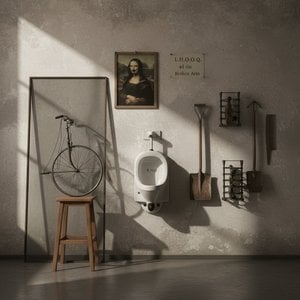
Šešėliais Apšviesta Gyvenimo Kelionė
Emmanuel Radnitzky, visame pasaulyje žinomas kaip Man Ray, buvo nerami siela, kuri atsisakė paprastos kategorizacijos. Gimęs 1890 metais Filadelfijoje rusų žydų imigrantų šeimoje, jo kelionė nuo ambicingo tapytojo iki pionieriaus fotografo ir kino kūrėjo įkūnija radikalią ankstyvojo XX amžiaus meno fermentaciją. Pats perėjimas nuo “Manny” Radnitzky prie enigmatiško “Man Ray” kalba apie menininką, nusprendusį sukurti naują tapatybę – tokią, kuri nebūtų susaistyta su įprastais standartais. Šeimos persikėlimas į Niujorko miestą buvo lemtingas žingsnis, atvėręs jam duris į klestinčią modernistinę sceną ir suteikęs amžiną pomėgį eksperimentams. Ankstyviems jo įtakoms priklausė Europos avangardas, pristatomas Alfred Stieglitz’o galerijoje “291”, ir Niujorko gyvenimo energija – derinys, kuris subtiliai paveikė vėlesnius darbus. Nors iš pradžių buvo atsidavęs tapybai, fotografija galiausiai tapo Ray stipriausia priemone tyrinėti suvokimo ir realybės ribas. Jis ne tik fiksuodavo vaizdus; jis kurdavo naujus *matymo* būdus. Jo ankstyvieji meniniai siekiai buvo žymimi noru nutolti nuo tradicinių stilių, įkvėptų tiek Europos modernizmo, tiek Niujorko gyvenimo energijos. Ferrer Centre, su savo anarchistiniais pažiūromis ir pabrėžiamu laisvos saviraiškos principu, buvo ypač svarbus šiuo laikotarpiu, skatinant aplinką, kurioje eksperimentai ne tik buvo leidžiami, bet ir skatinami.
Dada, Surrealizmas ir Ieškojimas Neįmanomo
Man Ray meninės trajektorijos dramatiškas posūkis įvyko susipažinus su Marcel Duchamp Niujorke apie 1915 metus. Šis susitikimas paskatino bendrą aistrą kvestionuoti tradicines meno sąvokas, todėl buvo tyrinėjami “ready-made” objektai – paprasti gaminiai, pakelti į meno kūrinio statusą. Šis maištingas dvasia stūmė Ray į Dada judėjimo širdį – antikunst protestą, gimusiame po Pirmojo pasaulinio karo nusivylimo bangos. 1921 metais jis priėmė sprendimą persikelti į Paryžių, tapdamas pagrindiniu ir Dada, ir Surrealistų aplinkelių veikėju. Nors niekada visiškai nesuderino savęs su griežta meno dogma, Ray apėmė surrealistų tyrinėjimą sąmonės srovėje, sapnuose ir iracionalume. Jo darbai šiuo laikotarpiu pasižymi svajingo pobūdžio atmosfera, dažnai nerami, tačiau neabejotinai žavinčia. Jam nerūpėjo vaizduoti realybę tokia, kokia ji *yra*, o veikiau tokią, kokia ji *jaučiasi* – fragmentuota, iškreipta ir paslėptomis reikšmėmis apgaubta. Šis sąmonės srovės pripažinimas leido jam pereiti nuo paprasto atvaizdavimo prie psichologinių būsenų ir emocinio rezonanso tyrinėjimo savo kūriniuose. Jo bendradarbiavimas su kitais surrealistų menininkais, tokiais kaip Salvador Dalí, dar labiau sustiprino jo poziciją judėjime, nors jis visada išlaikė tam tikrą nepriklausomybę savo meno vizijoje.
Rayografai ir Šviesos Alchemija
Galbūt Man Ray yra garsiausias dėl “rayografo” sukūrimo – be kameros fotografavimo technikos, kurią jis atrado beveik atsitiktinai. Šie vaizdai – sukurti tiesiogiai ant švieslei jautraus popieriaus dedant objektus ir juos apšviečiant – davė eterines, vaiduokliškas kompozicijas, paneigiančias įprastą fotografinę reprezentaciją. Rayografas nebuvo tik alternatyvus metodas; tai buvo filosofinis pareiškimas apie pačią fotografijos prigimtį. Pašalinęs fotoobjektyvą, Ray nuplėšė objektyvumo iliuziją, atskleidžiant vidinį šios terpės subjektyvumą. Tai nebuvo reprezentacijos *apie* daiktus, o tiesioginiai įspaudai *nuo* jų, apgaubti paslapties ir kitoniškumo atmosferos. Be rayografų, jo fotografiniai portretai – ypač tie, kuriuose buvo pavaizduota Lee Miller (tapsianti tiek jo mūza, tiek bendradarbe) – garsėja ryškiomis kompozicijomis ir psichologiniu gylumu. Jis nuolat eksperimentavo su solarizacija, daugybinėmis ekspozicijomis ir tamsiosios kameros manipuliavimu, stumdydamas fotografijos galimybių ribas. Ypač
solarizacija tapo firminiu stiliumi, sukuriant dramatiškus tonų apvertimus, kurie suteikė jo portretams keistą elementą.
Už Stovėjimo: Filmas ir Tvarus Palikimas
Man Ray meninis smalsumas išėjo už stoviųjų vaizdų ribų į kino sritį. Jo eksperimentiniai filmai, tokie kaip *Le Retour à la Raison* (1923) ir *L'Étoile de Mer* (1928), pasižymėjo surrealistine vizualika, netradicinėmis montažo technikomis ir naratyvo konvencijų atsisakymu. Tai nebuvo istorijos, papasakotos tradicine prasme; tai buvo vizualiniai eilėraščiai, formos, ritmo ir sąmonės srovės tyrinėjimai. Jis dažnai naudojo novatoriškas technikas, tokias kaip sustabdytos animacijos ir superimpozicija, kad sukurtų dezorientuojančius ir svajingo pobūdžio efektus. Nors jo filmografija išliko santykinai nedidelė, ji turėjo didelį įtaką vėlesnės kartos avangardiniais režisieriams. Visą savo ilgą karjerą Man Ray tęsė meno normų kvestionavimą, atsisakydamas būti susaistytam su etiketėmis ar lūkesčiais. Jis mirė Paryžiuje 1976 metais, palikęs kūrinių rinkinį, kuris ir toliau įkvepia ir provokuoja. Jo palikimas slypi ne tik jo techniniuose naujuose atradimuose, bet ir jo tvirtame įsipareigijime meno laisvei bei nuolatiniame ieškojime neįmanomo – tikras pionierius, kuris amžinai pakeitė mūsų meno ir realybės suvokimą.
Jo įtaka matoma įvairiose disciplinose, nuo šiuolaikinės fotografijos ir kino iki mados ir dizaino, demonstruojant jo vizijos ilgalaikę galią.
Tęsinys Įtaka
- Fotografija: Man Ray technikos, ypač rayografai ir solarizacija, toliau tyrinėjamos šiuolaikinės fotografijos srityje.
- Surrealizmas: Jo indėlis sustiprino judėjimo vizualinę kalbą ir įkvėpė daugybę menininkų įvairiose disciplinose.
- Eksperimentinis Filmas: Jo pionierinis darbas kine padėjo pagrindus ateities kartos avangardiniais režisieriams.
- Mados Fotografija: Ray novatoriškas požiūris į portretų kūrimą ir kompoziciją turėjo įtakos modernės mados fotografijos plėtrai.
Man Ray poveikis apima jo gyvenimo laikotarpį, toliau rezonuojant su menininkais ir publika šiandien. Jo pasiry



 Peržiūrėti realaus dydžio版
 Perjungti į spausdinimą
 Siųsti
 Dalintis
 Išsamiau
 Vadovas

 Atsisiųsti
 Panašūs eksponatai
 Rentgeno spindulių nuotrauka
 Diaporama
 Statistika

 Rodyti daugiau






































 Stiklo variantas prieinamas tik pasirinkus dydį iki 110 cm