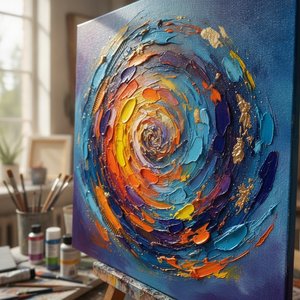
Dialogas tarpantara gamina ir miesto: Luiz Zerbini pasaulis
Luiz Zerbini, gimęs São Pauloje, Brazilijoje, 1959 m., yra menininkas, whose kūriniai išreiškia įdomią įtandinį – aktyvią pokalbį tarp nepašakalstinės gamtos energijos ir miesto gyvenimo griežtų struktūrų. Jo menininkas kelionė buvo głębiai supusinta jo vientnės kraštų pejzažais ir kultūriniais prabangaimis, paaugęs nuo ankstyvų figūratyvinio tyrimo iki išskirtinio abstraktiško kalbos, kuris pulsuoja spalva, geometrijomis ir gilusą vietas jausmu. Įkėsti į Rio de Žaneiru 1980-ųjų metu buvo kritiškai svarbu, nes tai jį įmerkinė mieste, paslaukiamame dėl savo neapgaulojamo grožio, tačiau taip pat pažymėto sudėtingomis socialinėmis ir architektūrinėmis realybėmis. Šis dvipiktis tapo subyrę žemę, iš kurios išsiaišys jo meninis vizjonas.
Ankstesni įtakos ir meninis vystymasis
Zerbini pradinis įsitraukimas menų pasaulyje buvo paženklotas figūratiniu pildimu, pasiekęs pagolinimą įtakžiuojingiose 1984 m. grupės ekspozicijoje „Como Vai Você, Geração 80?“ Rio vizualinių menų mokykloje. Šis ankstyvas darbas padėjo pagrindą jo vėlesniems tyrimams, demonstruodamas akvitivariu stebėjimo gebėjimą ir susidomėjimą užfiksuoti šiuolaikinės Brazilijos bendrovės dvasiadienę. Tačiau tik per 1990-ųjų pabaigas Zerbini pradėjo transformacinį pasikeitimą į abstraktizmą, kurį įžvelgė įspūdingi modernistiški architektūros stiliaus, išsiradę visose Brazilijos metropolijose. Tai nebuvo pilna atsisakymas nuo reprezentacijos, o tik destiliacija – paieška pagrindinėse struktūromis ir ritmų naturalioje pasaulyje ir patalpinti aplinkoje. Jis pradėjo integruoti geometrines formas į savo kompozicijas, kurdamas vizualinį rėmą, kuris tiek apima, tiek išlaisvina organinius likusčius. Gridelė pasirodė kaip kartojantis motyvas, subtiliai atspindintis mozaikų Brazilijos miestuose ir didelių pastatų fasadų, pridėdamas metodinis organizavimas darbom, pilnais spontanumu.
Kultūros ir gamtos sąveika
Zerbini menas pagaliau yra apie triksme – dinaminę sąveiką tarp kultūros ir gamtos, miesto architektūros ir per jį išlikojančios laivės. Jis neįsvaiko tik pejzažus; jis juos *kuria*, sluokiuojant vaizdus, atniesiardas į menų istoriją ir asmeninius patirtis į gausią spalvų ir formų tapestriją. Jo daugiaspalvis paletė yra ypač įspūdingas, apšviestintas žaliuos spalvų spektru, kuris pabrėžia naturalios aplinkos kromatinį aspektą kartu su neutraliais tonais, pasirodijančiais patalpinti sistemose. Šis sąmoningas kontrastas kuria derinio ir sudėtingumo jausmą, kviečiant žiūrovus apmąstyti išsivaizduojamas sritis tarpusavio susijusį. Jis aprašo savo procesą kaip dinamišką, pilną tikrumo ir prieštarainių – progresijos sekansiją, kurioje kiekvienas darbas yra galimybė pasidalinti savo vystymiančiu požiūriu į aplinkę.
Pagrindiniai pasiekimai ir tarptautinis pagolinimas
Visame savo gyvenime Zerbini pasiekė didelį pagolinimą tiek Brazilijoje, tiek tarptautiniu mastu. Jis buvo išsiskirtęs menininkas prestižinėse įvykiose, tokiose kaip São Paulo Bienalija (1987 m. ir 2010 m.), Mercosul Bienalija (2001 m.), Havana Bienalija (2000 m.) ir Cuenca Tarptautinė bienalija (1996 m.). Jo darbai yra įtraukti į žinomus kolekcijas, tokias kaip Inhotim Šiuolaikinio menų centras, Brumadinho; Itau Kultūros institutas, São Paulo; Rio de Žaneiro šiuolaikinis menų muziejus ir São Paulo šiuolaikinis menų muziejus. Naujausi vieno namų ekspozicijos įskiria *Saudade do Mundo Pequeno* A.Galeria Passeio Cultural Primavera, Florianópolis (2025 m.); *Paisagens Ruminadas* Centro Cultural Banco do Brasil, Rio de Žaneiro ir Brasília (2024 m.); bei didelė retrospektyva „Luiz Zerbini: Tas pats pasakojimas niekada nėra tas pats“ São Paulo menų muziejuje (MASP) 2022 m. Jo ekspozicijos Stephen Friedman Gallery Londone dar labiau patvirtino jo tarptautinį buvimą, pristatydamos jo monumentalius kanavus platesnei auditorijai.
Šiuolaikinė balsas, pagrįstas Brazilijos identitetu
- Tema:] Zerbini darbas nuolat aprašo temas, susijusias su Brazilijos kultūra ir tapatybe, dažnai atsižvelgiant į šalies unikalų istoriją, geografiją ir socialinę dinamiką.
- Technika:] Jis išmeniuojai mesgia akrilinio pildymo su monotipų technikomis, kurdamas tekstūros ir derinio sluoksnius, kurie gaudo organiško augimo ir judėjimo jausmą. Jo spalvų naudojimas yra tiek intuityvus, tiek sąmoningas, atspindintis jo gilią ryšį su naturaliu pasauliu.
- Aplinkos apmąstymas:] Augdami Zerbinio menas aprašo aplinkos atsakomybės ir tvarumo klausimus, ypač susiję su Amazonijos dżunglių ir nelegalus gaisloje pažeidomis įsivaikščiojusiose pagalbos žemėse. Jo pildimai tarnauja kaip stipri vizualūs pareigojimai dėl išsaugojimo ir socialinės sąžiningos skubaus poreikio.
- Filosofiniai subtilumai:] Jo darbas rezonuoja su filosofinėmis idėjomis, susijusiomis su žmogus ir gamtos santykiais, atspindėdamas mąstytojus kaip Emanuele Coccia, kurie pabrėžia augalų gyvybiškai svarbą pagaugti žemėje. Jis pats peržymi pildymą kaip gerai apgaulį – būdą pasiekti głęslesnius tiesų apie mūsų pasaulį.
Luiz Zerbinio menas nėra tik Brazilijos atspindėjimas; tai jo дуha, jo prieštarautiniai momentai, jo grožis ir jo neapakalstinė ryšis su naturaliu pasauliu. Jis stovi kaip šiuolaikinė balsas, giliai pagrįstas savo kultūrinėje paveldoje, siūlantis įkvepiantą viziją ateičbai, kur žmogus gali koegizuoti harmoniau su aplinka. Jo pildimai nėra tik apžvalgti objektai; tai kvietimas apmąstyti mūsų vietą didesnėje ekosistemoje – skatinimas veikti ir švęsti gyvenimo įgaitinę susijusį.
Jo darbas yra patvirtinimas apie menų galiava įkvėpti, pasikartoti ir, galiausiai, transformuoti.



 Peržiūrėti realaus dydžio版
 Perjungti į spausdinimą
 Siųsti
 Dalintis
 Išsamiau
 Vadovas

 Atsisiųsti
 Panašūs eksponatai
 Rentgeno spindulių nuotrauka
 Diaporama
 Statistika


 Rodyti daugiau






































 Stiklo variantas prieinamas tik pasirinkus dydį iki 110 cm