Peržiūrėti realaus dydžio版 Peržiūrėti AR realybėje Pirkti rankų darbo tapybą Perejti prie skaitmeninių vaizdų Pasidalinti
Išsamiau Vadovas Pridėti į mėgstamiausius Atsisiųsti Panašūs eksponatai Rentgeno spindulių nuotrauka Automatinė diorama Statistika

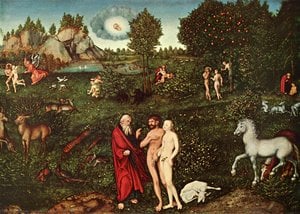
Adamas ir Eva

Štai vienas iš Šiaurės Rezgiseno meistro Lukaso Kranacho žymiausių kūrinių – „Adamas ir Eva“. Žvilkstė į šį Biblijos istoriją užfiksuojantį paveikslą, kuriame naudojamos detalios technikos ir simboliai.

Lukaso Kranacho meistras – Šiaurės Rezgiseno meno šedevrai, įkvėpę Reformą ir iššūkianti tradicijas! Jo paveikslai žvelgia į istoriją ir įsikėlė į muziejų kolekcionierių širdis.

Giclée / Meno spausdinimas

Muziejų lygio „giclée“ arba drobos spausdinimas: greita gamyba ir lankstios apdailos parinktys. ( Pirkti rankų darbo tapybą Perejti prie skaitmeninių vaizdų)

Corner sample of the P118B picture frame: lieto polistirolo detalės, 5 cm wide and 3 cm thick
P118B €10
Corner sample of the P118H picture frame: lieto polistirolo detalės, 5 cm wide and 3 cm thick
P118H €10
Corner sample of the P118W picture frame: lieto polistirolo detalės, 5 cm wide and 3 cm thick
P118W €10
Corner sample of the P438Z picture frame: lieto polistirolo detalės, 5.5 cm wide and 3.5 cm thick
P438Z €10
Corner sample of the P508JH picture frame: lieto polistirolo detalės, 7 cm wide and 3.5 cm thick
P508JH €12
Corner sample of the P508YH picture frame: lieto polistirolo detalės, 7 cm wide and 3.5 cm thick
P508YH €12
Corner sample of the P805H picture frame: lieto polistirolo detalės, 5 cm wide and 3.5 cm thick
P805H €10
Corner sample of the P805Z picture frame: lieto polistirolo detalės, 5 cm wide and 3.5 cm thick
P805Z €10
Corner sample of the P919BZ picture frame: lieto polistirolo detalės, 7 cm wide and 3.5 cm thick
P919BZ €10
Corner sample of the P919G picture frame: lieto polistirolo detalės, 7 cm wide and 3.5 cm thick
P919G €10
Corner sample of the P919XJ picture frame: lieto polistirolo detalės, 7 cm wide and 3.5 cm thick
P919XJ €10
Corner sample of the P959ZH picture frame: lieto polistirolo detalės, 5 cm wide and 3 cm thick
P959ZH €10
Corner sample of the P968JZ picture frame: lieto polistirolo detalės, 6 cm wide and 4 cm thick
P968JZ €12
Corner sample of the W106C picture frame: solidus medžio

**Improved version:**
solidus medis, 5 cm wide and 3 cm thick
W106C €8
Corner sample of the W218G picture frame: solidus medžio

**Improved version:**
solidus medis, 5 cm wide and 3 cm thick
W218G €10
Corner sample of the W218JH picture frame: solidus medžio

**Improved version:**
solidus medis, 5 cm wide and 3 cm thick
W218JH €8
Corner sample of the W218Y picture frame: solidus medžio

**Improved version:**
solidus medis, 5 cm wide and 3 cm thick
W218Y €10
Corner sample of the W307PJ picture frame: solidus medžio

**Improved version:**
solidus medis, 6 cm wide and 3 cm thick
W307PJ €10
Corner sample of the W316G picture frame: solidus medžio

**Improved version:**
solidus medis, 6 cm wide and 3 cm thick
W316G €10
Corner sample of the W316PJ picture frame: solidus medžio

**Improved version:**
solidus medis, 6 cm wide and 3 cm thick
W316PJ €8
Corner sample of the W316Y picture frame: solidus medžio

**Improved version:**
solidus medis, 6 cm wide and 3 cm thick
W316Y €10
Corner sample of the W398PJ picture frame: solidus medžio

**Improved version:**
solidus medis, 5 cm wide and 3 cm thick
W398PJ €8
Corner sample of the W4111J picture frame: solidus medžio

**Improved version:**
solidus medis, 6.5 cm wide and 3.5 cm thick
W4111J €10
Corner sample of the W500HY picture frame: solidus medžio

**Improved version:**
solidus medis, 7 cm wide and 5 cm thick
W500HY €15
Corner sample of the W500JH picture frame: solidus medžio

**Improved version:**
solidus medis, 7 cm wide and 5 cm thick
W500JH €15
Corner sample of the W692G picture frame: solidus medžio

**Improved version:**
solidus medis, 8 cm wide and 4 cm thick
W692G €12
Corner sample of the W849H picture frame: solidus medžio

**Improved version:**
solidus medis, 5 cm wide and 3 cm thick
W849H €8
Corner sample of the W940BG picture frame: solidus medžio

**Improved version:**
solidus medis, 7.5 cm wide and 4.5 cm thick
W940BG €15
Corner sample of the W953PJ picture frame: solidus medžio

**Improved version:**
solidus medis, 6 cm wide and 3.5 cm thick
W953PJ €8

Standartinis dydis
pagal užsakymą
CM
INCH

Pasirinkite iš mūsų nustatytų dydžių, atitinkančių originalaus meno kūrinio proporcijas.

plotis
aukštis

Įveskite jums reikiamą plotį ir aukštį, kad atvaizdas derėtų prie jūsų rėmo ar sienos. Spausdiną galima tik sumažinti, bet nepadidinti virš originalaus paveikslėlio dydžio, todėl keičiant proporcijas, dalis vaizdo prarandama. Prieš spausdinimą atsiųsime jums skaitmeninį maketą patvirtinimui. Šioje puslapio nuotraukoje matomas pjūvis nėra tikslus – jį rodo tik maketas.

Pristatymas visame pasaulyje () per 2 weeks, o ne įprastas 4/5 savaičių laikotarpis. (28 spalis)

Nemokamas greitasis pristatymas visame pasaulyje
Aukštos kokybės lininis drobė
Pilnas siuntimo draudimas
Muitinės mokesčių grąžinimo garantija
Tikro spalvų atitikimo garantija
100 dienų grąžinimo politika (tik esant įtaigoms)
100% pinigų grąžinimo garantija
Nuolaida dideliems užsakymams

Visos kainos suma

€ 60

Adamas ir Eva

Giclée / Meno spausdinimas

Reprodukcijos matmenys

-

Bendroji kaina

€ 60

Trumpa informacija

  • Artistic style: Humanistinė estetika
  • Year: 1531
  • Notable elements or techniques: Detalizavimas, Perspektyva
  • Artist: Lucas Cranach Senelis
  • Influences: German Renaissance
  • Movement: Pietų Renesas

Karo viktorina

Kiekviename klausime yra tik vienas teisingas atsakymas.

Klausimas 1:
Kas yra Lucas Cranach the Elder?
Klausimas 2:
Kokio stiliaus yra šis kūrinys?
Klausimas 3:
Ką simbolizuoja paveikslėlyje obuolys?
Klausimas 4:
Kokią techniką Cranach the Elder naudojo kurdamas šį kūrinį?
Klausimas 5:
Kokia spalvų gama dominuoja paveiksle?

Amžinoji „Adamo ir Evos“ trauka

Luko Kranacho senojomeno „Adamas ir Eva“ yra šedevras, įtrapiantis Šiaurinės renesanso esmę, kurioje kruopščiai išgražinti detalūs traukai su gilokia simbolika susipina į vieną visumą. Šis ikoniškas paveikslas kviečia žiūrovį į rojus, atverdamas akimirką į žmonijos kilmę, kurią perteikia išskirtinė Kranacho meninė kalba.

Šiaurinės renesanso meistras

1472 m. Kronache, Vokietijoje, gimęs Luko Kranachas senasis buvo itin produktyvus tapys } ir grafikos meistras, žinomas dėl savo įkrentimo į Vokietijos renesanso istoriją. Kaip Saksonijos kunigaikščių dvaro paveikslautojas, Kranacho kūrybai didžiulę įtaką darė jo laikmečio religinis ir politinis klimatas. Jo glaudus ryšys su Martinu Liuteriu dar tvirtai įtvirtino jo vaidmenį jame, kaip jį vaizdavo protestantizmo reformacijos temos.

Kompozicija ir technika

„Adamo ir Evos“ kompozicija yra harmonisingas žmonių figūrų, laukinės gamtos ir botaninių elementų derinys. Naudojant sklandžias, tekančias linijas ir organines formas, Kranachas sukuria natūralaus judėjimo ir elegancijos pojūtį. Žemės spalvų paletė, kurioje dominuoja šiltos rudos, žalių ir kūno spalvos, kontrastausto su ryškiomis obuolių raudonumo ir švelnia mėlyna dangaus spalva, suteikdama paveikslui gylį bei vizualinį įtraukimą.

Paveikslavimo technika apima itin tikslų brushų darbą ir sluoksniuotą dažų beiškumą, būdingą Šiaurinės renesanso menui. Kranacho dėmesys detalėms itin akivaizdus: tai matoma gyvybiškose figūrų odos tekstūrose, kietoje medžio žuvėje ir sudėtingame gyvūnų kailio vaizde. Švelnus, išsklaidytas apšvietimas primena nubrendusią debesį ar lapų tarpais pratekančią saulės šviesą, taip stiprinant raminą atmosferą.

Simbolika ir istorinis kontekstas

„Adamo ir Evos“ tematyka gausi simbolinių prasmės. Obuoliais užlaistų medžio buvimas atsidengia kaip Žinomiškumo medis – esminis elementas biblijiniame žmogaus nuoblos pasakojime. Figūrų nuogumas simbolizuoja tyrumą ir šventumą, o Adamo laikomas obuolys įtraukia pagundų ir artėjančių pokyčių elementą.

Gyvūnai, įskaitant briedį ir liūtą, simbolizuoja gamtos harmoniją prieš nukentėjimo akimirką. Šio paveikslas vaizdavimas atspindi religines ir moralines temas, vyravusias reformacijos metu, teikdamas vizualinį komentarą apie žmogaus prigimtį ir dievišką teisingumą.

Emocinis poveikis

„Adamas ir Eva“ sukelia ramybės ir apmąstymo jausmą. Figūros atrodo ramios ir nepasitenkinę savo nuogumu, įkūnydamos žmonijos tyrumą prieš nukentėjimą. Švelni aplinka ir harmoninga kompozicija sukuria emocinį rezonansą, kuris kviečia žiūrovą riflesčiuoti apie kūrimą, pagundą ir išgelbėjimą.

Kodėl rinktis šią reprodukciją?

Mėgėjams, kolekcionieriams ir interjero dizaineriams, ieškantiems aukščiausios kokybės reprodukcijos, Luko Kranacho senojomeno „Adamas ir Eva“ yra amžinas pridedamasis prie bet kurios kolekcijos. Turtinga simbolika, meistriška technika ir emocinis gylis daro šį kūrinį užburiančiu elementu, kuris bet kurią erdvę papuoša savo istorine reikšme ir menine grožiu.

Atnešk Šiaurinės renesanso eleganciją ir galybę į savo namus ar darbo kambarį su šia nepriekaištinga reprodukcija, kuri yra kruopščiai sukurta, kad perteiktų originalaus Kranacho kūrinio esmę. Pakelk savo aplinką su šedevru, kuris pasakoja istoriją seną kaip pats laikas.

Klausimai ir atsakymai

Kaip „Adamas ir Eva“ – Lukaso Kranacho Vyresniojo Vardas sujungia Northern Renaissance su autoriaus gimtinė?

„Adamas ir Eva“ kūrybinę vadovavo Lukaso Kranacho Vyresniojo Vardas, gimęs/usi Vokietija, remiantis Northern Renaissance stiliaus tendencijomis. Kūrėjo kilmė sujungia šį kūrinį su Northern Renaissance kryptimi, kurios atstovai iš Vokietija taip pat laikosi.

Ar „Adamas ir Eva“ – Lukaso Kranacho Vyresniojo Vardas yra šviesaus ar tamsaus tono kūrinys?

„Adamas ir Eva“ bendroji ryškumas yra subtilus, o švytėjimas – Švelnus šešėlis.

Koks kontrastas yra darbe „Adamas ir Eva“ – Lukaso Kranacho Vyresniojo Vardas?

Kūrinio „Adamas ir Eva“ – Lukaso Kranacho Vyresniojo Vardas kontrasto lygis yra Pareiškimas.


Autoriaus biografija

Lucas Cranach the Elder

Lucas Cranach the Elder, born in Kronach, Germany around 1472, stands as a pivotal figure of the German Renaissance. His life unfolded during a period of immense religious and political upheaval, and his art became inextricably linked to both the burgeoning Protestant Reformation and the opulent courts he served. Initially trained by his father, Hans Maler, Cranach’s early artistic development remains somewhat shrouded in mystery, though influences from South German masters are evident in his evolving style. He quickly distinguished himself not merely as a skilled craftsman but as an artist capable of capturing psychological depth alongside technical precision – qualities that would soon draw the attention of powerful patrons. In 1504, he entered the service of Frederick III, Elector of Saxony, a relationship that would define much of his career and provide him with both stability and access to influential circles. This appointment as court painter in Wittenberg wasn’t simply about producing decorative works; it placed Cranach at the very heart of one of the most transformative movements in European history.

Early Life and Artistic Training

Little is known definitively about Lucas Cranach's formative years, but evidence suggests he received a comprehensive artistic education from his father, Hans Maler—a respected painter and craftsman who practiced in Kronach and Nuremberg. Hans Maler instilled in Lucas a meticulous attention to detail and a mastery of traditional techniques – skills that would serve as the foundation for Cranach’s subsequent artistic endeavors. While biographical information remains scarce, scholars believe Cranach's exposure to the artistic traditions of Nuremberg—particularly the influence of Albrecht Dürer—contributed significantly to his stylistic development. Dürer’s pioneering use of engraving and printmaking techniques undoubtedly shaped Cranach’s approach to visual communication, fostering a fascination with precision and clarity that would characterize much of his oeuvre. The workshop environment fostered by Hans Maler instilled in Lucas not only technical proficiency but also an understanding of the collaborative process—a practice that would become central to Cranach's artistic career.

Service to Frederick III and Wittenberg

Cranach’s ascension to prominence began with his appointment as court painter to Frederick III, Elector of Saxony, a patronage that proved remarkably fruitful both artistically and financially. Frederick III recognized Cranach’s talent for portraiture and commissioned numerous portraits of himself and members of the Saxon nobility—works that exemplify Cranach's stylistic innovations and demonstrate his ability to convey psychological nuance alongside technical virtuosity. Wittenberg, where Cranach served as court painter during Luther’s tenure, became a crucible of artistic and intellectual ferment—a place where Cranach wrestled with theological debates and engaged in dialogues with leading humanist thinkers. This engagement with the Reformation profoundly influenced Cranach's artistic vision, prompting him to explore themes of faith, morality, and human dignity—subjects that would permeate his paintings and woodcuts throughout his career. The patronage of Frederick III provided Cranach with access to resources and opportunities unavailable to many other artists of his time—allowing him to establish a thriving workshop and produce an astonishingly diverse body of work.

Style and Technique: Northern Renaissance Elegance

Lucas Cranach’s artistic style is characterized by its refined elegance and meticulous attention to detail—qualities that align perfectly with the aesthetic sensibilities of the Northern Renaissance. He employed a distinctive technique combining oil painting, woodcut, and engraving—a combination that enabled him to achieve remarkable visual effects while maximizing accessibility through affordable prints. Cranach's figures possess elongated proportions—a stylistic convention reflecting influences from Flemish masters—and are rendered with subtle shading and modeling that convey a sense of depth and realism. His use of color is vibrant yet restrained—creating harmonious compositions that prioritize clarity and balance. The artist’s meticulous rendering of drapery—particularly in portraits—demonstrates his mastery of traditional techniques and underscores the importance he placed on conveying visual accuracy. Cranach's woodcuts, in particular, stand out for their expressive power—capturing fleeting moments of emotion with remarkable immediacy.

Legacy and Influence

Lucas Cranach the Elder died in 1553, leaving behind an unparalleled artistic legacy that continues to inspire admiration and scholarly inquiry. He was a master of portraiture, a skilled interpreter of religious themes, and a shrewd businessman who understood the transformative potential of visual communication. His work not only reflects the cultural and intellectual landscape of his era but also actively shaped it—particularly through his engagement with the Protestant Reformation and his contribution to the dissemination of humanist ideas. Cranach’s influence extended far beyond Wittenberg and Saxony—reaching artists across Europe and establishing him as one of the most celebrated figures of the German Renaissance. His stylistic innovations—including elongated proportions, vibrant colors, and meticulous attention to detail—became hallmarks of Northern Renaissance art—and his legacy persists in the works of subsequent generations of painters. Cranach’s enduring fascination with mythology—evident in paintings depicting Venus and other classical deities—demonstrates his intellectual curiosity and underscores his commitment to exploring universal themes of beauty, love, and human aspiration. He remains a testament to the power of artistic vision—a figure whose work continues to captivate audiences worldwide.
Lukaso Kranacho Vyresniojo Vardas

Lukaso Kranacho Vyresniojo Vardas

1472 - 1553 , Vokietija

Trumpa informacija

  • Artistic Movement Or Style: Nordrenaissance
  • Artists Or Movements Influenced By This Artist: ['Martin Luther']
  • Artists Who Influenced This Artist: ['Hans Maler']
  • Date Of Birth: Kronach, Deutschland
  • Date Of Death: 1553
  • Full Name: Lucas Cranach der Ältere
  • Nationality: Deutsch
  • Notable Artworks:
    • Jagd der Hirsche
    • Selbstbildnis
    • Ankündigung an Joachim
  • Place Of Birth: Deutschland
Tyrinėkite meno kūrinius, suskirstytus pagal temas, stilius ir savybes.