NEMOKAMA MENO KONSULTACIJA

x
Pirkti atspaudą Pirkti atspaudąUžsisakyti kopiją Užsisakyti kopiją PasidalintiPasidalinti
IšsamiauIšsamiau Pridėti į mėgstamiausius Pridėti į mėgstamiausius AtsisiųstiAtsisiųsti Panašūs eksponataiPanašūs eksponatai RentgenogramąRentgenogramą Automatinė dioramaAutomatinė diorama

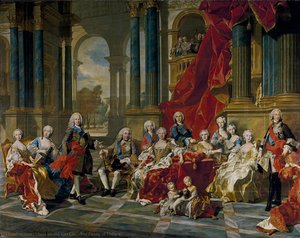
Sextet

Experience the elegance of Louis Michel van Loo's 'Sextet' (1768). A Rococo masterpiece depicting musicians in a lavish setting, now housed at The Hermitage Museum. Hand-painted reproductions available.

Louis-Michel van Loo (1707–1771): Prancūziško rokoko meistras ir Ispanijos bei Prancūzijos dvaro paveikslininkas. Šlovė jam atėk dėl elegantiškų karališkų asmenų, tokių kaip Ludvikas XV ir Filipas V, portretų.

Įsigykite aukštos skiriamosios raiškos, patobulintą skaitmeninį vaizdą, gerokai pranašesnį už internetinę peržiūrą.

Kiekvieną failą mūsų specialistai kruopščiai paruošia naudojant pažangias technologijas ir profesionalų rankinį retušavimą. Užtikriname, kad kiekvienas vaizdas pasižymėtų išskirtiniu aiškumu, tikslia spalvų atspalviu ir smulkiomis detalėmis.

Baigiamas failas el. paštu pristatomas per 72 valandas; jis optimizuotas nedelsiant naudojimui profesionalioje, redakcinėje ir spausdinimo aplinkoje. Tai ta pati kokybė, kuria pasitiki aukščiausios klasės dizaino studijos, leidyklos ir galerijos.

Skaitmeninis vaizdas

Atsisiųskite didelės raiškos failą asmeniniam naudojimui, spausdinimui ir kūrybiniams projektams.

Visų sumos kaina

$9.99

Kiekvieną skaitinio vaizdo užsakymą papildė

Profesionalus skaitmeninis pristatymas, garantuotas

Pasirinkę WahooArt.com, jūs ne tik gaunate paveikslėlį – jūs gaunate profesionaliai patobudintą skaitmeninį kūrinį, sukurtą itin tikniai ir užtikrinantį pasitenkinimą. Štai viską, kas automatiškai pritékia jūsų užsakymui:

shipping_icon
Greitas siuntimas el. paštu

Jūsų aukštos raiškos skaitmeninis vaizdo failas bus išsiųstas jums el. paštu per 72 valaudas nuo užsakymo – paruoštas naudojimui be jokių papildomų veiksmų.

canvas_icon
Skaitmeninis failas su dirbtiniu intelektu

Jūsų meno kūrinys profesionaliai optimizuojamas naudojant pažangius dirbtinio intelekto įrankius ir rankinį redagavimą, užtikrinant maksimalią detalę, aiškumą ir spalvų tikslumą.

insurance_icon
Nemokamas visam laikui pakartotinis siuntimas

Atsitiktinai ištrytikote ar praradote savo failą? Nebijokite – bet kuriuo metu atsiųsime jį jums vėl nemokamai.

tax_icon
Jokio importo mokesčio – niekada

Mėgaukitės savo meno kūriniu akimirka – skaitiniai failai visada yra neapmokestinami, todėl nereikės mokėti muitinės, mokesčių ar pristatymo mokesčių.

color_icon
Spalvų tikslumo garantija

Naudodami profesionalią įrangą ir spalvų valdymo sistemas, užtikriname, kad jūsų skaitmeninis vaizdas kuo tiksliau atspindėtų originalias spalvas.

return_icon
60 dienų pasitenkinimo garantija

Jei nebuvate patenkinti savo skaitinio vaizdo, per 60 dienų jį pertaisysime arba grąkinsime 100% sumą – be jokių klausimų.

guarantee_icon
100% pinigų grąžinimo garantija

Nepat 만족inti? Gaukite visą sumokėtą sumą per 60 dienų nuo skaitmeninio failo gavimo – be jokių papildomų klausimų.

discount_icon
Nuolaidos dideliems užsakymams

Pirkti 3 nuotraukas – pasiūla 10% - Pirkti 5 – pasiūla 15% - Pirkti 10 ir daugiau – pasiūla 20%. Puikiai tinka kūrybiniams projektams, galerijoms bei agentūroms.

Kolekcinio objekto aprašymas

The painting Sextet by Louis Michel Van Loo is a remarkable work of art that showcases the artist's skill in capturing the essence of music and elegance. Created in 1768, this oil on canvas masterpiece measures 146 x 194 cm and is currently housed at the The Hermitage Museum in St. Petersburg, Russia.

Composition and Style

The composition of the painting is characterized by a sense of harmony and balance, with six individuals engaged in playing music. The use of color and light creates a sense of depth and atmosphere, highlighting the elegance of the performers and their surroundings. The style of the painting is typical of the Rococo period, with attention to detail evident in the clothing, musical instruments, and the room itself.

Historical Context

The Sextet painting is a reflection of the cultural and social values of the 18th century. Music was an essential part of the aristocratic lifestyle, and the painting depicts a moment of musical performance in a grand room with architectural features indicative of the Baroque or Rococo style. The painting is also significant because it showcases the artist's ability to capture the essence of everyday life, making it a valuable piece of art historical context.
  • The painting is executed in a realistic style, with attention to detail evident in the clothing and musical instruments.
  • The use of color and light creates a sense of depth and atmosphere, highlighting the elegance of the performers and their surroundings.
  • The painting is a reflection of the cultural and social values of the 18th century, showcasing the importance of music in aristocratic lifestyle.
For more information about Louis Michel Van Loo and his works, visit https://WahooArt.com/ADC/Art.nsf/O/8XZPYN/$File/Louis-Michel-Van-Loo-Sextet-2-.JPG and /art/list/?Filter=8XZPYN-Louis-Michel-Van-Loo-Sextet. You can also learn more about the The Hermitage Museum at /art/list/?Filter=A@D3CCW7-The-Hermitage-Museum-St-Petersburg-Russia.
The Sextet painting is a valuable piece of art that showcases the artist's skill in capturing the essence of music and elegance. With its rich historical context and beautiful composition, it is a must-see for anyone interested in art and history.

panašūs kūriniai


Autoriaus biografija

A Legacy of Royal Portraits: The Life and Art of Louis-Michel van Loo

Born in Toulon, France, on March 2nd, 1707, Louis-Michel van Loo emerged from a distinguished lineage of artists. His father, Jean-Baptiste van Loo, served as his initial mentor, laying the foundation for a career that would see him become one of the most sought-after portraitists of the 18th century. This early training was supplemented by studies in Turin and Rome, cities brimming with artistic innovation and historical grandeur, where he absorbed the prevailing aesthetic currents. Even at this nascent stage, van Loo demonstrated exceptional talent, earning a prize from the prestigious Académie Royale de Peinture et de Sculpture in Paris in 1725 – a testament to his burgeoning skill and promise. This recognition propelled him onto a path that would lead to royal courts and enduring artistic acclaim.

From Rome to Madrid: Establishing a Royal Reputation

Van Loo’s artistic journey took a significant turn with travels alongside his uncle, Charles-André van Loo, to Rome in 1727. This period of immersion in the Roman art scene further refined his vision and technique. However, it was his appointment as court painter to King Philip V of Spain in Madrid in 1736 that truly cemented his position within the European artistic hierarchy. This wasn’t merely a professional opportunity; it was an entry into a world of power, prestige, and patronage. He quickly became instrumental in shaping the visual representation of the Spanish monarchy, crafting portraits designed to project authority and embody the splendor of the court. His skill didn't go unnoticed within the Spanish art community either, as he became a founding member of the Royal Academy of Fine Arts of San Fernando in Madrid in 1752, solidifying his influence and legacy within Spain’s artistic landscape. He skillfully navigated the demands of royal portraiture, balancing adherence to convention with an emerging personal style that emphasized both likeness and social standing.

Return to Paris and the Zenith of Rococo Portraiture

In 1753, van Loo returned to Paris, a city now eager to embrace his talents. He found himself in high demand among the French aristocracy, receiving commissions for portraits of King Louis XV and numerous other prominent figures. This period marked the full flowering of his artistic maturity. His style evolved into a refined expression of the Rococo aesthetic – characterized by elegance, grace, and meticulous attention to detail. Van Loo possessed an exceptional ability to capture not only the physical likeness of his sitters but also their social status and personality. He masterfully rendered textures—the shimmering silk of gowns, the sparkle of jewels, the delicate flush of skin—creating portraits that were both realistic and idealized. In 1765, he further ascended within the French art world by succeeding his uncle Charles-André as director of the École Royale des Élèves Protégés, a prestigious school dedicated to nurturing promising young artists. This appointment underscored his commitment to artistic education and his position as a leading figure in the French Academy.

Later Years and Enduring Influence

Van Loo continued to receive significant commissions throughout the latter part of his life. In 1766, he painted a striking portrait of Sebastião de Melo, Marquis of Pombal, the influential Portuguese statesman – a work that showcased his ability to capture both power and intellect. His family’s artistic legacy was further enriched by the accomplishments of his brothers, François van Loo and Charles-Amédée-Philippe van Loo, all contributing to a dynasty of talented painters. Louis-Michel van Loo passed away in Paris on March 20th, 1771, leaving behind a body of work that epitomized the height of Rococo portraiture. His paintings remain celebrated for their technical brilliance, artistic sensitivity, and ability to capture the opulence and sophistication of 18th-century European courts. His influence can be seen in the works of subsequent generations of portrait artists, who admired his skill in conveying both physical resemblance and social standing.

Artistic Style and Historical Significance

Van Loo’s artistic style is defined by its elegant compositions, refined brushwork, and flattering depictions of his subjects. He was a master of capturing the nuances of texture and light, creating portraits that possessed both realism and an air of aristocratic refinement. Influenced by artists like Hyacinthe Rigaud, he developed a distinctive approach to portraiture that emphasized not only likeness but also the projection of power and social status. His portraits frequently depict his subjects within elaborate settings, surrounded by symbols of their wealth and influence – reinforcing their position within the social hierarchy. Van Loo’s work played a crucial role in shaping the visual image of European royalty during the 18th century. These portraits weren't simply artistic representations; they were powerful tools for projecting authority, prestige, and legitimacy. He remains an important figure in the history of portraiture, celebrated for his technical skill, artistic sensitivity, and enduring ability to capture the essence of his subjects – a legacy that continues to resonate with art enthusiasts today.
Louis Michel Van Loo

Louis Michel Van Loo

1707 - 1771 , Prancūzija