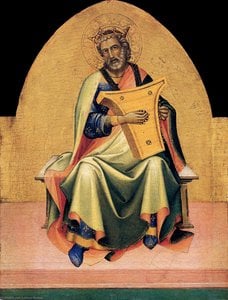
Autoriaus biografija
Florencijos Monkų Vizija: Lorenzo Monaco Pasaulis
Lorenzo Monaco, tikruoju vardu Piero di Giovanni, gimęs apie 1370 metus Sienoje, užima ypatingą vietą perėjimo laikotarpyje nuo Trecento gotiško grožio į Quattrocento atgimimo idealus. Nors biografinės detalės lieka skurdžios, jo artistinė kelionė atskleidžia įtraukiančią istoriją apie prisitaikymą, inovacijas ir gilų dvasinį supratimą. Aprengtas Florencijoje, jis perėmė Giotto, Spinello Aretino ir Agnolo Gaddi pamokas – menininkus, sukūrusius naratyvo aiškumo ir emocinio rezonanso pagrindą. Tačiau būtent jo pasiryžimas vienuolyno gyvenimui 1390 metais, prisijungiant prie Kamaldoliečių ordino Santa Maria degli Angeli vienuolyne, išties formavo tiek jo artistinę tapatybę, tiek vardą, kuriuo jis geriausiai žinomas: Lorenzo Monaco, arba “Lawrence’as Monkų”. Šis įsipareigojimas kontempliatyviniam egzistavimui gilumai paveikė jo kūrinių pobūdį, suteikiant jam introspektyvią kokybę ir dėmesį religinėms temoms.
Gotikos Elegancijos Ir Renesanso Pradžių Sintezė
Monaco ankstyvieji darbai, pasirodę 1390-aisiais, demonstruoja meistrišką tuomet Europoje vyravusio Tarptautinės Gotikos stiliaus įvaldymą. Šiuos paveikslus apibūdina rafinuotas elegancija, subtilus linijinis tikslumas ir paletė, iš pradžių susilaikiusi savo chromatiniame diapazone. Tačiau netgi šioje nusistovėjusioje struktūroje ima rastis jo individualaus artistinio balso užuominos. Jis perėmė įtaką bendraamžiams Lorenco Ghiberti ir Gherardo Starnina, įtraukdamas elementus iš jų sudėtingų kompozicijų ir dėmesio detalėms. Bėgant laikui, Monaco stilius evoliucionavo, vis labiau žymimas pailgintomis figūromis, apsirengusiomis vingiuotomis, sraunėmis draperijomis, pirmenybę teikiant aštrioms briaunoms ir ryškioms spalvoms – ypač prabangiam aukso ir lazurito atspalviui – ir subtiliam, beveik eteriniam šviesos kokybei. Jo gestai dažnai yra santūrūs, užuominant apie vidines emocijas, o ne atvirai jas demonstruojant, o jo erdvės tendencija plokščia, pirmenybę teikiant simbolinei rezonansui, o ne griežtam realizmui. Jis nuolat siekė vaizduoti stiprią dvasinę vertę turinčias scenas, dažnai atsiribodamas nuo gryno natūralistinio vaizdavimo siekio.
Tikėjimo Ir Artistinių Inovacijų Šedevrai
Monaco artistinės produkcijos apimtis yra įspūdinga, apimdama panelinius paveikslus, freskas ir iliustruotus rankraščius. Pietà, laikoma Florencijos Galleria dell'Accademia, liudija jo ankstyvą meistriškumą, demonstruodamas nervingą energiją linijose ir apčiuopiamą emocinės įtampos jausmą. Puiki Koronacija Mergelės, dabar puošianti Uffizi galeriją, pavyzdžiuoja jo brandų stilių – spalvingą šventųjų gobeleną, atvaizduotą vingiuotomis formomis ir apakinti spalvomis. Monteoliveto poliptichas, taip pat Galleria dell'Accademia, atskleidžia gilų dvasinumą, numatantį Fra Angelico darbą. Galbūt vienas iš jo garsiausių pasiekimų yra Magų Pagerbimas (1420–1422), kuriame jo novatoriškas perspektyvos naudojimas, nors ir neturintis griežtos geometrinės perspektyvos, sukuria įtraukiančią ir vizualiai patrauklią kompoziciją. Jo freskos Bartolini Salimbeni koplyčioje reprezentuoja vieną iš nedaugelio išlikusių sieninių darbų, suteikiančių galimybę pažvelgti į jo talentą kaip didelio masto dekoratoriaus. Šie darbai demonstruoja ne tik techninį meistriškumą, bet ir gilų teologinės simbolikos supratimą bei įsipareigojimą perteikti religines istorijas aiškumu ir elegancija.
Tiltas Tarp Epokų
Nepaisant revoliucinių artistinių srovių Florencijoje jo gyvenimo metu – ypač Masaccio ir Filippo Brunelleschi novatoriškos perspektyvos ir natūralizmo – Lorenzo Monaco išliko beveik nepaveiktas šių pokyčių. Jis atkakliai palaikė savo savitą stilių, sukūręs unikalų kelią, jungiantį vėlesnes gotikos tradicijas su besiformuojančiu renesanso estetika. Giorgio Vasari, rašydamas savo Menininkų Gyvenimuose, pripažino Monaco talentą, tačiau pažymėjo jo laikinę mirtį nuo nenustatytos infekcijos apie 1425 metus. Nors biografinės detalės ribotos, jo indėlis į meno istoriją yra neabejotinas. Jis stovi kaip paskutinis reikšmingas Giotto stiliaus eksponentas, išsaugodamas jo palikimą ir vienu metu įtraukdamas elementus, numatantį ateinančias artistines transformacijas. Jo dėmesys dvasiniam turiniui, stilizuotoms formoms ir rafinuotai elegancijai reprezentuoja savitą estetiką Florencijos tapyboje, paliekantį ilgalaikį pėdsaką vėlesnių kartų menininkams.
Palikimas Ir Nuolatinis Poveikis
Lorenzo Monaco darbai ir toliau žavi žiūrovus savo subtiliu grožiu, giliumi pamaldumu ir subtiliomis inovacijomis. Jis nebuvo revoliucionierius tokia pat didele prasme kaip Masaccio, tačiau jo indėlis slypi gebėjime sintetizuoti esamas tradicijas į harmoningą ir giliai asmeninį stilių. Jis parodė, kad artistinis meistriškumas gali klestėti nusistovėjusių konvencijų ribose, praturtindamas jas individualia išraiška ir dvasiniu gilumu. Jo įtaka matoma vėlesnių menininkų darbuose, kurie vertino jo rafinuotą techniką ir pamaldumą. Šiandien jo paveikslai tarnauja kaip neįkainojami langai į svarbų meno istorijos momentą – perėjimo, eksperimentavimo ir tikėjimo galios laikotarpį, išreikštą artistinės vizijos.



 Peržiūrėti realybėje
 Perejti prie spausdinimo
 Pasidalinti
 Dalintis
 Išsamiau

 Atsisiųsti
 Panašūs eksponatai
 Rentgeno nuotrauka
 Automatinė diorama
 Statistika


 Skaityti daugiau