Parduokite savo kūrybą
x
Peržiūrėti realybėjePeržiūrėti realybėje Peržiūrėti ARPeržiūrėti AR Perejti prie spausdinimo Perejti prie spausdinimoPerejti prie rankinio darbo paveikslėlio Perejti prie rankinio darbo paveikslėlio PasidalintiPasidalinti
IšsamiauIšsamiau Pridėti į mėgstamiausius Pridėti į mėgstamiausius AtsisiųstiAtsisiųsti Panašūs eksponataiPanašūs eksponatai Rentgeno nuotraukaRentgeno nuotrauka Automatinė dioramaAutomatinė diorama

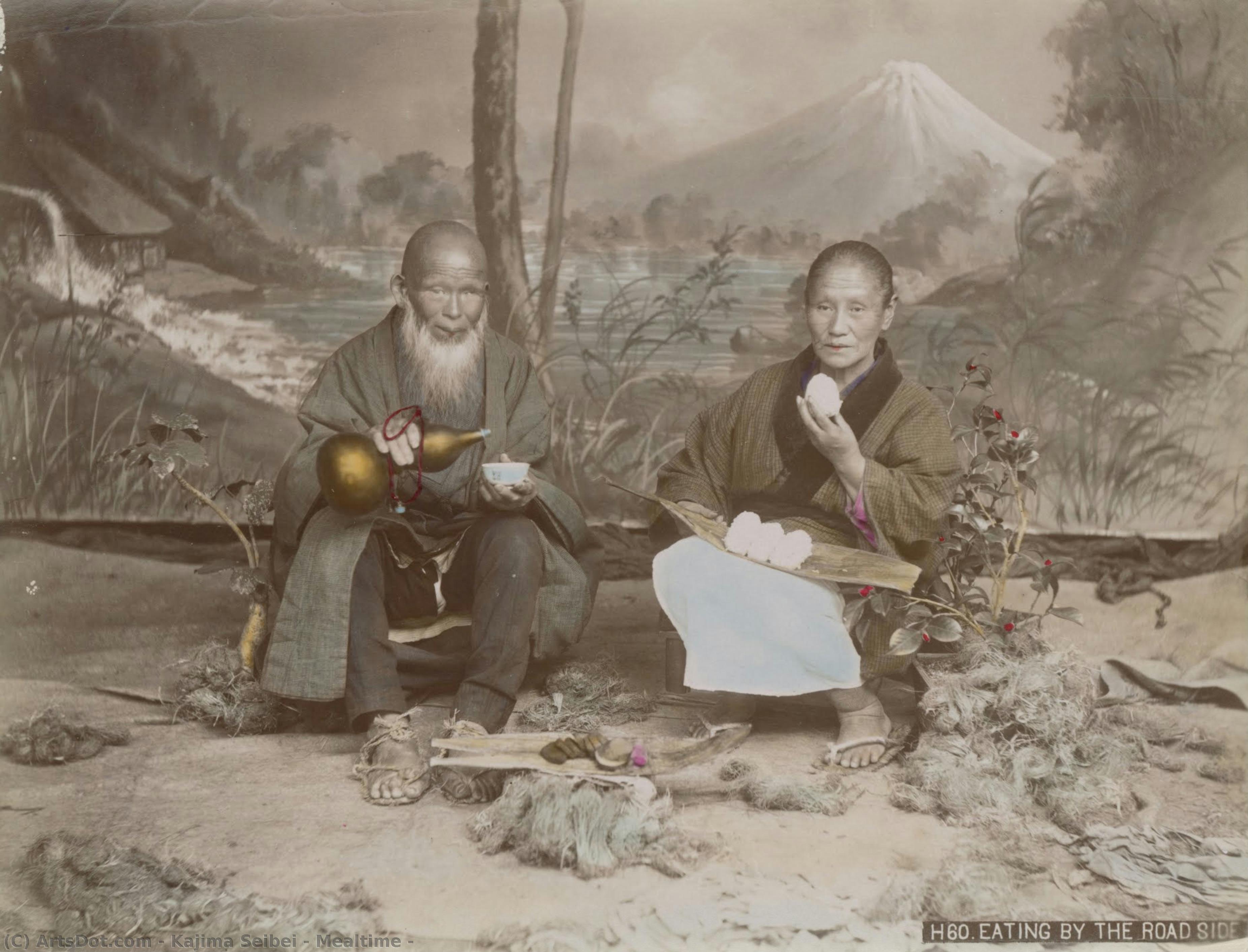
Mealtime

  • Sukūrimo data1880
  • Matmenys20.0 x 27.0 cm

Discover Kajima Seibei (1866-1924), a pioneering Japanese photographer renowned for innovative techniques like large-format & X-ray photography. Explore his captivating portraits, landscapes, and contributions to Meiji period art. #JapanesePhotograph

Įsigykite aukštos skiriamosios raiškos, patobulintą skaitmeninį vaizdą, gerokai pranašesnį už internetinę peržiūrą.

Kiekvieną failą mūsų specialistai kruopščiai paruošia naudojant pažangias technologijas ir profesionalų rankinį retušavimą. Užtikriname, kad kiekvienas vaizdas pasižymėtų išskirtiniu aiškumu, tikslia spalvų atspalviu ir smulkiomis detalėmis.

Baigiamas failas el. paštu pristatomas per 72 valandas; jis optimizuotas nedelsiant naudojimui profesionalioje, redakcinėje ir spausdinimo aplinkoje. Tai ta pati kokybė, kuria pasitiki aukščiausios klasės dizaino studijos, leidyklos ir galerijos.

Skaitmeninis vaizdas

Atsisiųskite didelės raiškos failą asmeniniam naudojimui, spausdinimui ir kūrybiniams projektams. (Perejti prie spausdinimo Perejti prie spausdinimoPerejti prie rankinio darbo paveikslėlio Perejti prie rankinio darbo paveikslėlio)

Visų sumos kaina

$9.99

Kiekvieną skaitinio vaizdo užsakymą papildė

Profesionalus skaitmeninis pristatymas, garantuotas

Pasirinkę WahooArt.com, jūs ne tik gaunate paveikslėlį – jūs gaunate profesionaliai patobudintą skaitmeninį kūrinį, sukurtą itin tikniai ir užtikrinantį pasitenkinimą. Štai viską, kas automatiškai pritékia jūsų užsakymui:

shipping_icon
Greitas siuntimas el. paštu

Jūsų aukštos raiškos skaitmeninis vaizdo failas bus išsiųstas jums el. paštu per 72 valaudas nuo užsakymo – paruoštas naudojimui be jokių papildomų veiksmų.

canvas_icon
Skaitmeninis failas su dirbtiniu intelektu

Jūsų meno kūrinys profesionaliai optimizuojamas naudojant pažangius dirbtinio intelekto įrankius ir rankinį redagavimą, užtikrinant maksimalią detalę, aiškumą ir spalvų tikslumą.

insurance_icon
Nemokamas visam laikui pakartotinis siuntimas

Atsitiktinai ištrytikote ar praradote savo failą? Nebijokite – bet kuriuo metu atsiųsime jį jums vėl nemokamai.

tax_icon
Jokio importo mokesčio – niekada

Mėgaukitės savo meno kūriniu akimirka – skaitiniai failai visada yra neapmokestinami, todėl nereikės mokėti muitinės, mokesčių ar pristatymo mokesčių.

color_icon
Spalvų tikslumo garantija

Naudodami profesionalią įrangą ir spalvų valdymo sistemas, užtikriname, kad jūsų skaitmeninis vaizdas kuo tiksliau atspindėtų originalias spalvas.

return_icon
60 dienų pasitenkinimo garantija

Jei nebuvate patenkinti savo skaitinio vaizdo, per 60 dienų jį pertaisysime arba grąkinsime 100% sumą – be jokių klausimų.

guarantee_icon
100% pinigų grąžinimo garantija

Nepat 만족inti? Gaukite visą sumokėtą sumą per 60 dienų nuo skaitmeninio failo gavimo – be jokių papildomų klausimų.

discount_icon
Nuolaidos dideliems užsakymams

Pirkti 3 nuotraukas – pasiūla 10% - Pirkti 5 – pasiūla 15% - Pirkti 10 ir daugiau – pasiūla 20%. Puikiai tinka kūrybiniams projektams, galerijoms bei agentūroms.


Autoriaus biografija

Wassily Kandinsky: Pioneer of Abstraction

Wassily Wassilyevich Kandinsky (1866-1944) stands as a monumental figure in the history of art, widely recognized as one of the foremost pioneers of abstract painting. His journey from a classically trained artist to a revolutionary innovator is a testament to his relentless pursuit of spiritual expression through color and form. Born in Moscow amidst a rich cultural heritage – a blend of Russian, Mongolian, and European influences – Kandinsky’s early life laid the foundation for his unique artistic vision. He initially pursued law and economics, demonstrating an intellectual curiosity that would later inform his theoretical explorations of art.

Kandinsky's formal artistic training began at the age of thirty, a relatively late start by conventional standards. He enrolled in private drawing classes and then at the Imperial Academy of Arts in Moscow, studying anatomy, perspective, and traditional painting techniques. However, it was his exposure to Venice, Rome, Florence, and the Caucasus during his childhood that profoundly shaped his aesthetic sensibilities – an appreciation for color, light, and the evocative power of landscape. This early immersion in diverse artistic traditions would later inform his rejection of representational art in favor of a purely expressive language.

His career took a pivotal turn when he moved to Munich in 1896, immersing himself in the vibrant artistic scene of the late nineteenth century. He studied with Anton Ažbe, a progressive pedagogue who emphasized observation and color theory, and later partnered with Gabriele Münter, a fellow artist whose influence would be significant throughout his career. This period marked a crucial transition as Kandinsky began to experiment with non-objective art, influenced by the burgeoning Symbolist movement and the philosophical ideas of thinkers like Nietzsche and Schopenhauer. His early works, such as *Picture with an Archer* (1909), demonstrate this shift, incorporating recognizable forms alongside increasingly expressive color palettes – a foreshadowing of his eventual embrace of pure abstraction.

The Blue Rider Group and Early Abstraction

Kandinsky’s artistic development gained momentum through his involvement in the influential “Blue Rider” (Der Blaue Reiter) group, which he co-founded with Münter and other artists like Franz Marc and August Macke. This collective, active primarily between 1911 and 1914, sought to explore spirituality and emotional expression through art, rejecting academic conventions and embracing a more intuitive approach. The Blue Rider’s name itself – “Blue Rider” – alluded to the symbolic significance of blue in Kandinsky's work, representing the infinite and spiritual realm.

Crucially, 1911 marked a watershed moment for Kandinsky with the creation of *Concerning the Spiritual in Art*, a seminal text that articulated his philosophy of abstract art. In this groundbreaking treatise, he argued that color and form possessed an inherent spiritual power, capable of evoking emotions and conveying ideas independent of representational imagery. He believed that through abstraction, artists could bypass the limitations of language and directly access the “inner necessity” of their creative impulse. This period saw a radical shift in his painting style, moving away from recognizable forms towards increasingly geometric compositions dominated by color and line.

Works like *Composition VII* (1913) exemplify this evolution – a dynamic explosion of color and shape that seems to vibrate with inner energy. Kandinsky’s approach was not simply about eliminating representation; it was about creating a visual language capable of communicating profound emotional and spiritual experiences.

Bauhaus, Exile, and Mature Style

Following World War I, Kandinsky's artistic and intellectual pursuits led him to Germany, where he joined the Bauhaus school of art and design in 1922. The Bauhaus, under the direction of Walter Gropius, emphasized functionalism and a holistic approach to art education, influencing Kandinsky’s understanding of color theory and his belief in the interconnectedness of art, architecture, and design.

However, the rise of Nazism forced Kandinsky to flee Germany in 1933. He settled in Paris, where he continued to paint and teach until his death in 1944. During this period, his style evolved further, becoming increasingly hard-edged and geometric – characterized by circles, squares, and triangles arranged in dynamic compositions. Works like *Orange* (1944) demonstrate this mature aesthetic, reflecting a profound sense of inner harmony and spiritual depth.

Despite the challenges he faced, Kandinsky remained committed to his artistic vision throughout his life, producing some of the most iconic works of the 20th century. His legacy extends far beyond the realm of painting; he profoundly influenced subsequent generations of artists, designers, and architects, shaping the course of modern art and paving the way for abstract expressionism and other avant-garde movements.

Kandinsky’s Theoretical Contributions

Beyond his artistic output, Kandinsky made significant contributions to the theory of art. *Concerning the Spiritual in Art* remains a cornerstone of 20th-century art criticism, outlining his belief that color and form could be used to evoke spiritual experiences. He argued against the notion that art should merely imitate reality, asserting instead that it should strive to express inner truths and emotions.

His concept of “inner necessity” – a driving force within the artist’s creative process – emphasized the importance of intuition and spontaneity in artistic creation. Kandinsky also developed a sophisticated theory of color psychology, exploring the emotional associations linked to different hues and their ability to influence human perception. He believed that colors could be used to create specific moods and atmospheres, effectively communicating complex ideas and emotions without the need for words.

Kandinsky’s writings are as important to understanding his art as the paintings themselves, offering a unique insight into his creative process and philosophical outlook. He remains a vital figure in the history of modern art, not only for his groundbreaking artistic achievements but also for his profound theoretical contributions to our understanding of the relationship between art, spirituality, and human experience.

kajima seibei

kajima seibei

1866 - 1924 , Japan

Trumpai apie šį kūrėją

  • Artistic Movement Or Style:
    • Abstraction
    • Blaue Reiter
    • Bauhaus
  • Artists Or Movements Influenced By This Artist:
    • Herbert Bayer
    • Sonia Delaunay
  • Artists Who Influenced This Artist:
    • Anton Ažbe
    • Gabriele Münter
  • Date Of Birth: December 4, 1866
  • Date Of Death: December 13, 1944
  • Full Name: Wassily Wassilyevich Kandinsky
  • Nationality: Russian, French
  • Notable Artworks:
    • Concerning the Spiritual in Art
    • Komposition V
    • Improvisation
  • Place Of Birth: Moscow, Russia