Peržiūrėti realaus dydžio版 Peržiūrėti AR realybėje Perjungti į spausdinimą Perejti prie skaitmeninių vaizdų Siųsti
Išsamiau Vadovas Pridėti į mėgstamiausius Atsisiųsti Panašūs eksponatai Rentgeno spindulių nuotrauka Diaporama Statistika

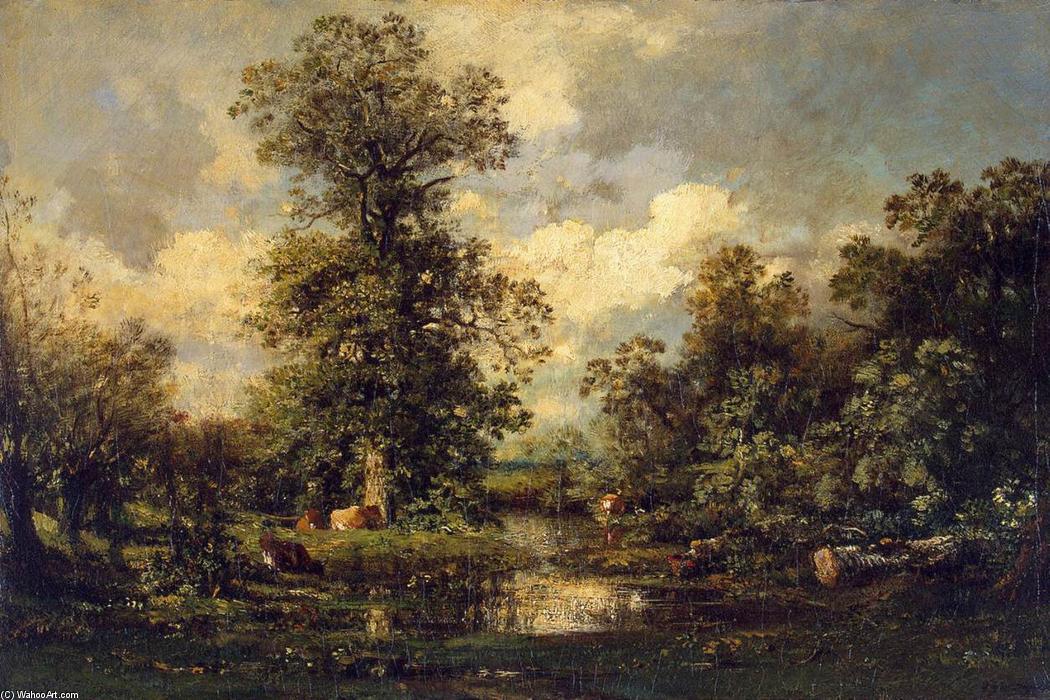
Forest Landscape

Experience Jules Dupré's 'Forest Landscape,' a captivating Barbizon School painting of a serene woodland scene. This oil on canvas, housed at the Hermitage Museum, showcases loose brushstrokes and earthy tones – a timeless masterpiece.

Jules Dupré (1811-1889) buvo barbizonų mokyklos paisajeivys, garsėjantis dramatiškais, jausmalingais gamtos vaizdais – audringais dangumi, saulėlydžiais ir kaimo vietomis. Atraskite jo kūrybą, pavyzdžiui, „Morning and Evening at the Louvre“!

Rankų darbo aliejinės reprodukcijos

Rankiniu būdu tapytas aliejus ant droblio jūsų pageidaujamame dydį ir rėmuose – mūsų menininkų darbas pagal užsakymą. ( Perjungti į spausdinimą Perejti prie skaitmeninių vaizdų)

Corner sample of the P118B picture frame: lieto polistirolo, 5 cm wide and 3 cm thick
P118B €10
Corner sample of the P118H picture frame: lieto polistirolo, 5 cm wide and 3 cm thick
P118H €10
Corner sample of the P118W picture frame: lieto polistirolo, 5 cm wide and 3 cm thick
P118W €10
Corner sample of the P438Z picture frame: lieto polistirolo, 5.5 cm wide and 3.5 cm thick
P438Z €10
Corner sample of the P508JH picture frame: lieto polistirolo, 7 cm wide and 3.5 cm thick
P508JH €12
Corner sample of the P508YH picture frame: lieto polistirolo, 7 cm wide and 3.5 cm thick
P508YH €12
Corner sample of the P805H picture frame: lieto polistirolo, 5 cm wide and 3.5 cm thick
P805H €10
Corner sample of the P805Z picture frame: lieto polistirolo, 5 cm wide and 3.5 cm thick
P805Z €10
Corner sample of the P919BZ picture frame: lieto polistirolo, 7 cm wide and 3.5 cm thick
P919BZ €10
Corner sample of the P919G picture frame: lieto polistirolo, 7 cm wide and 3.5 cm thick
P919G €10
Corner sample of the P919XJ picture frame: lieto polistirolo, 7 cm wide and 3.5 cm thick
P919XJ €10
Corner sample of the P959ZH picture frame: lieto polistirolo, 5 cm wide and 3 cm thick
P959ZH €10
Corner sample of the P968JZ picture frame: lieto polistirolo, 6 cm wide and 4 cm thick
P968JZ €12
Corner sample of the W106C picture frame: solidus medžio, 5 cm wide and 3 cm thick
W106C €8
Corner sample of the W218G picture frame: solidus medžio, 5 cm wide and 3 cm thick
W218G €10
Corner sample of the W218JH picture frame: solidus medžio, 5 cm wide and 3 cm thick
W218JH €8
Corner sample of the W218Y picture frame: solidus medžio, 5 cm wide and 3 cm thick
W218Y €10
Corner sample of the W307PJ picture frame: solidus medžio, 6 cm wide and 3 cm thick
W307PJ €10
Corner sample of the W316G picture frame: solidus medžio, 6 cm wide and 3 cm thick
W316G €10
Corner sample of the W316PJ picture frame: solidus medžio, 6 cm wide and 3 cm thick
W316PJ €8
Corner sample of the W316Y picture frame: solidus medžio, 6 cm wide and 3 cm thick
W316Y €10
Corner sample of the W398PJ picture frame: solidus medžio, 5 cm wide and 3 cm thick
W398PJ €8
Corner sample of the W4111J picture frame: solidus medžio, 6.5 cm wide and 3.5 cm thick
W4111J €10
Corner sample of the W500HY picture frame: solidus medžio, 7 cm wide and 5 cm thick
W500HY €15
Corner sample of the W500JH picture frame: solidus medžio, 7 cm wide and 5 cm thick
W500JH €15
Corner sample of the W692G picture frame: solidus medžio, 8 cm wide and 4 cm thick
W692G €12
Corner sample of the W849H picture frame: solidus medžio, 5 cm wide and 3 cm thick
W849H €8
Corner sample of the W940BG picture frame: solidus medžio, 7.5 cm wide and 4.5 cm thick
W940BG €15
Corner sample of the W953PJ picture frame: solidus medžio, 6 cm wide and 3.5 cm thick
W953PJ €8

Standartinis
individualaus dydžio
CM
INCH

Pasirinkite iš mūsų nustatytų dydžių, atitinkančių originalaus meno kūrinio proporcijas.

plotis
aukštis

Įveskite jums reikiamą plotį ir aukštį, kad paveikslas atitiktų jūsų rėmą ar sieną. Kadangi šis darbas yra rankinio darbo, siekiant išgauti kitokio formos dydį, paveikslas gali būti šiek tiek didesnis (nuo kraštų bus palikta daugiau erdvės) arba mažesnis – pasirinkite jums patogiausią variantą. Prieš pradedant tapyti, atsiųsime jums skaitmeninį maketą patvirtinimui. Šioje puslapio nuotraukoje matomas vaizdas nėra galutinis rezultatas – jį parodys tik sukurtas maketas.

Ką galima pakeisti (pavyzdžiai): Pakeisti veidą į kliento nuotrauką; Pridėti augintinį (pvz., pakeisti katę šunimi); Įtraukti paslėptą žinutę fone; Pakeisti fono kraštovaizdį ar elementus.
Gavus užsakymą, WahooArt.com komanda susisieks su klientu el. paštu dėl instrukcijų ir pateiks maketo pavyzdį

Pristatymas visame pasaulyje () per 3–4 savaites, o ne įprastai – per 5 savaites. (24 spalis). Kokybė lieka nepakeičiama.

Nemokamas greitasis pristatymas visame pasaulyje
Aukštos kokybės lininis drobė
Pilnas siuntimo draudimas
Muitinės mokesčių grąžinimo garantija
Tikro spalvų atitikimo garantija
100 dienų grąžinimo politika (tik esant įtaigoms)
100% pinigų grąžinimo garantija
Nuolaida dideliems užsakymams

Bendroji kaina

€ 239

Forest Landscape

Reprodukcijos technika

Reprodukcijos dydis

-

Visų pasirinktų variantų kaina

€ 239

Pagrindinė informacija

  • Title: Forest Landscape
  • Subject or theme: Forest Landscape
  • Dimensions: 39 x 58 cm
  • Artistic style: Realism
  • Notable elements: Loose brushstrokes, earth tones
  • Influences:
    • Corot
    • Daubigny

Karo viktorina

Kiekviename klausime yra tik vienas teisingas atsakymas.

Klausimas 1:
What artistic movement is Jules Dupré primarily associated with?
Klausimas 2:
According to the description, what key element is emphasized in 'Forest Landscape' regarding light?
Klausimas 3:
In what museum is the original 'Forest Landscape' by Jules Dupré currently housed?
Klausimas 4:
What is a characteristic feature of Jules Dupré's painting style, as described in the text?
Klausimas 5:
The description mentions that Jules Dupré was influenced by which artist?

A Symphony of Earth and Sky: Unveiling Jules Dupré’s “Forest Landscape”

Jules Dupré's "Forest Landscape," painted in 1840, isn’t merely a depiction of trees; it’s an immersion into the heart of the Barbizon School’s philosophy – a profound reverence for nature rendered with raw emotion and meticulous observation. This oil on canvas, currently residing within the esteemed Hermitage Museum in St. Petersburg, transcends simple landscape painting, offering a glimpse into the soul of 19th-century France and the artist's deeply personal connection to the natural world.

The Barbizon School, emerging from the shadow of Romanticism, rejected the idealized landscapes favored by earlier generations. Instead, they sought truth in the everyday – the weathered bark of a tree, the dappled sunlight filtering through leaves, the subtle shifts in color that define a fleeting moment. Dupré embodies this ethos with remarkable clarity. He doesn’t strive for picturesque beauty; he presents the forest as it *is*, imbued with a sense of quiet drama and timelessness. The composition is anchored by a winding river, its surface mirroring the sky above – a clever device that blurs the boundaries between earth and heavens, suggesting an infinite expanse.

Decoding the Palette: Earth Tones and Emotional Resonance

Dupré’s masterful use of color is central to the painting's impact. He eschews bright hues in favor of a rich tapestry of earthy tones – deep greens, browns, ochres, and subtle blues – creating an atmosphere of profound tranquility and introspection. These aren’t merely colors; they are textures, evoking the dampness of moss, the roughness of bark, and the muted light of a forest floor. Notice how he employs loose brushstrokes, allowing the paint to flow freely across the canvas, capturing the movement of branches in the wind and the dappled patterns of sunlight. This technique contributes significantly to the painting’s sense of immediacy and vitality.

The sky itself is a study in atmospheric perspective – a swirling blend of clouds rendered with delicate washes of blue and gray. These aren't static formations; they seem to shift and change, mirroring the ever-changing moods of nature. The light filtering through these clouds casts a gentle illumination on the landscape below, highlighting the play of light and shadow in the foliage and along the river’s edge – creating an illusion of depth and volume that draws the viewer into the scene.

A Window to the Barbizon: Context and Symbolism

To fully appreciate “Forest Landscape,” it's crucial to understand its historical context. The Barbizon School, centered around the Forest of Fontainebleau, rejected the Parisian Salon’s emphasis on academic art and sought inspiration directly from nature. Artists like Dupré, Corot, and Millet spent countless hours observing and painting outdoors, capturing the essence of rural life and the beauty of the French countryside. Dupré's work is often interpreted as a reflection of his own emotional state – a yearning for simplicity, solitude, and connection with the natural world.

Symbolically, the forest itself represents a realm of mystery and introspection. It’s a place where one can escape the pressures of society and connect with something larger than oneself. The winding river serves as a metaphor for the flow of life – its constant movement reminding us to embrace change and accept the inevitable passage of time. The painting, therefore, is not simply a representation of a forest; it’s an invitation to contemplate our place within the grand scheme of nature.

Bringing “Forest Landscape” Home: Reproductions and Artistic Legacy

Handmade oil painting reproductions of this beautiful work are now available for purchase at WahooArt.com, offering a tangible connection to Dupré’s artistic vision. Whether adorning your living room wall or serving as a focal point in a serene bedroom, “Forest Landscape” will undoubtedly evoke feelings of peace, tranquility, and wonder. Its timeless appeal ensures that it will remain a cherished addition to any art collection for generations to come.

问答 (or more naturally for a website heading): Klausimai ir atsakymai

Koks yra „Forest Landscape“ formatas?

„Forest Landscape“, autorius – Julis Dupre kūrinio formatas yra Landscape. Formatas aprašo kompozicijos proporcijas.

Kas sukūrė „Forest Landscape“?

„Forest Landscape“ kūrybinį darbą sukūrė Julis Dupre. Šioje puslapio informacijoje aprašomas Julis Dupre originalus kūrinys.

Kokia erdvė rekomenduojama šiam kūriniui „Forest Landscape“, autorius – Julis Dupre?

„Forest Landscape“ reprodukcija puikiai tinka į Living Room.


Autoriaus biografija

Dramatiškoji Barbizonos siela

Jules Dupré (1811–1889) yra viena svarbiausių Barbizonos mokyklos figūrų – meno judėjimo, kuris skatino gryną stebėjimą ir emocinį rezonansą peizažų paveiksluose. Skirtingai nei jo samtarpėdžiai, pavyzdžiui, Corot, ieškoję liryko grožio ir ramybės, Dupré kovojo su tamsiausia, audringiausia gamtos puse. Jis turėjo unikalią gebėjimą įamžinti audrų pyktį, melankolišką špilmutės prigimtį bei neįtikėtiną elementų energiją, perteikdamas šias patirtis nepaprastitu intensyvąms. Gimęs Nantes, Prancūzijoje, Dupré meninė kelionė prasidėjo nuo augančios susižavėjimo gamtos pasauliu ir jo gebėjimo suėdinti gilius, dažnai turbulentus žmogaus jausmus.

Jo ankstyvasis gyvenimas padėjo pagrindus kruopštumui detalėms ir meistriškumo vertinimui – kokybėms, kurias sustiprino jo tėvo porcelano gamybos verslas. Ši formavimo patirtis vėliau atsispindėjo ir jo meniniuose siekiuose, ypač akivaizdžiai matomuose ankstyvuose darbuose, tyrinėjančiuose keraminio dekoravimo subtumų. Kaip porceliano dekoravimo mokinio, jis išmokėjo tikslumo linijų ir tekstūrų discipliną – įgudį, kuris vėliau evoliucionavo į meistrišką atmosferinės gylio ir organinių formų valdymą.

Vizija, suformuota audros ir dangaus

Dupré karjeros kryptį negrįžtamai pakeitė susitikimas su revoliuciniais John Constable drobėmis. Susipažinimas su angliškosios peizažo tradicijos dvėse įžiejo norą įamžinti dinamišką gamtos esmę – nuolatinį vėjo judinamų lapų šokinėjimą bei dramatišką šviesos ir šešėlio žaidimą patys audringiausiomis dienos valandomis. 1831 metais keliaudamas į Didžiąją Britaniją, Dupré atliko gilias šių anglų meistrų studijas, į Prancūziją grįždamas su vaizdų rinkiniu, kuris perdefinuos jo požiūrį į peizažą.

Ypač įkvėpimo jis rado pakario rajonuose around Southampton ir Plymouth. Šios traukios vandens platybės, atspindinčios audringą dangų, tapo tobulu laboratoriniu aplanku audros debesų judėjimui ir jūros bangų kintamumui studijuoti. Jo to laikotarpio paveikslai nėra tik gamtos vaizdiniai; tai visceralūs nuotaikos ir jausmų išraiškos, prisiglaudusios į pajautiamą dramą bei net ilgesį. Priimdamas barbizonų estetiką, Dupré prioritetą teikė išraiškingoms spalvų paletėms ir drąsiems toegimo traukams, o ne idealizuotiems ar poliruotiems vaizdiniams, leisdamas paties dažų tekstūrai atspindėti grubios žemės prigimtį.

Barbizonos meistro palikimas

Kaip pagrindinė Barbizonos grupės figūra, Dupré užmezgė artimus ryšius su kitais legendiniais paveikslautojais, įskaitant Théodore Rousseau. Jo kėlimasasis barbizonų mokyklos aukštumose buvo pažymėtas svarbiais įvykiais, tokiais kaip priėmimas į Saloną ir oficialus pripažinimas per medalius už jo peizažus. Jo kūryba tapo sinonimu tam tikros skambios ir rezonuojančios spalvų harmonijos, kurioje saulėlydžio šviesa ar artojančios audros tamsa gali būti pajudama tiek pat stipriai, kaip ir matoma.

Šiandien Jules Dupré yra prisimenamas kaip vienas įtakingiausių XIX amžiaus Prancūzijos peizažininkų. Jo indėlis į meną slypi gebėjime sujungti gryną stebėjimą ir romantišką emociją. Per tokius darbus kaip La Petite Charrette, Cows Crossing a Ford bei jo įtkinčius upių peizažus, jis mokė menininkų kartas, kad gamta nėra tik paveikslavimo subjektas, bet galingas dalykas, kurį reikia patirti. Jo palikimas išlieka įsimintinas sunkios, atmosferinės tekstūros ir dramatiško, kvapuojantys dangaus, kurie ir šiandien sužavėtų modernią fantaziją.

Julis Dupre

Julis Dupre

1811 - 1889 , Prancūzija

Trumpa informacija apie kūrėją

  • Artistic Movement Or Style: Barbizon mokykla
  • Artists Or Movements Influenced By This Artist: ['Romantizmo tapybą']
  • Artists Who Influenced This Artist: ['Constable']
  • Date Of Birth: Nantes, Prancūzija (1811)
  • Date Of Death: 1889 m. gruodžio 6 d.
  • Full Name: Jules Dupré
  • Nationality: Prancūzų
  • Notable Artworks:
    • Ryte ir vakare Luvre'e
    • Tiltas Wallace kolekcijoje
  • Place Of Birth: Prancūzija