


Šiame puslapyje rodomas meno kūrinys yra saugomas autorių teisių įstatymais, todėl neturime teisės legaliai kurti ar parduoti jo identiškos reprodukcijos. Ši apsauga užtikrinama remiantis tokiais tarptautiniais susitarimais kaip Bernės konvencija ir pagal nacionalines įstatymų nuostatas, įskaitant tas, kurias nurodo JAV autoriškos teisės įstatymas – 17-asis skyrius.
Šis metodas visiškai atitinka autorių teises, nes jame nėra saugomo kūrinio kopijavimo ar dubliavimo. Tai yra kūrybinė reinterpretacija – naujas paveikslas, kurį įkvėpė originalas, tačiau kuris nėra jo identiškas.
Muziejų lygio „giclée“ arba drobos spausdinimas: greita gamyba ir lankstios apdailos parinktys. ( Pirkti rankų darbo tapybą Perejti prie skaitmeninių vaizdų)





























Pasirinkite iš mūsų nustatytų dydžių, atitinkančių originalaus meno kūrinio proporcijas.

Įveskite jums reikiamą plotį ir aukštį, kad atvaizdas derėtų prie jūsų rėmo ar sienos. Spausdiną galima tik sumažinti, bet nepadidinti virš originalaus paveikslėlio dydžio, todėl keičiant proporcijas, dalis vaizdo prarandama. Prieš spausdinimą atsiųsime jums skaitmeninį maketą patvirtinimui. Šioje puslapio nuotraukoje matomas pjūvis nėra tikslus – jį rodo tik maketas.
Pristatymas visame pasaulyje () per 2 weeks, o ne įprastas 4/5 savaičių laikotarpis. (9 lapkritis)
Mujer desnuda
Reprodukcijos matmenys
In the quiet, evocative depths of Joy St Clair Hester’s 1945 masterpiece, Mujer desnuda, we encounter a profound dialogue between the human form and the natural world. This striking work, executed during a transformative period in Australian Modernism, transcends mere representation to touch upon the very essence of vulnerability. The composition presents a stylized, nude female figure nestled within an abstracted landscape, where the boundaries between skin and scenery begin to blur. Through a masterful use of asymmetrical balance, Hester positions her subject off-center, creating a rhythmic tension that breathes life and movement into the stillness of the paper. It is a piece that does not merely ask to be seen, but demands to be felt, inviting the viewer into a private moment of deep introspection.
The technical execution of Mujer desnuda reveals Hester’s unparalleled command over the fluid medium of ink and watercolor. Eschewing the rigid constraints of realism, she employs bold, expressive brushstrokes that define the figure with a spontaneous energy. The lines are thick and purposeful, tracing the contours of the body and the surrounding foliage with a rhythmic grace that suggests both strength and fragility. This technique creates a tactile quality, where the subtle variations in ink density provide a sense of organic life. The palette is intentionally restrained, relying on a somber, earthy harmony of browns, beiges, and deep blacks. This monochromatic approach strips away the distractions of color, forcing the eye to focus on the raw emotional weight of the shapes and the haunting beauty of the silhouettes.
Beyond its aesthetic allure, the artwork serves as a poignant window into the psyche of one of Australia's most significant modernist voices. As a key figure within the influential Heide Circle and the "Angry Penguins" movement, Hester was deeply invested in exploring the complexities of the human condition—themes of love, loss, and identity. In Mujer desnuda, the integration of the female form into the landscape can be read as a symbolic return to nature, an exploration of femininity as an elemental force. The abstracted trees and vague horizon lines create a dreamlike, almost primordial setting, where the figure’s reaching pose suggests a profound longing or a spiritual aspiration. There is a palpable sense of solitude within the frame, yet it is not a lonely isolation; rather, it is a contemplative state of being that resonates with anyone who has sought solace in the quietude of nature.
For the discerning collector or interior designer, this reproduction offers more than just a visual accent; it provides a focal point of intellectual and emotional depth. The artwork’s ability to anchor a room with its muted tones and sophisticated abstraction makes it an ideal choice for contemporary spaces that value understated elegance and historical significance. Whether placed in a curated gallery setting or as a soulful addition to a private study, Mujer desnuda continues to evoke the same sense of wonder and melancholy that Joy St Clair Hester captured decades ago. It remains a timeless testament to the power of the expressive line and the enduring beauty of the human spirit caught in a moment of quiet revelation.
„Mujer desnuda“ – Joy St Clair Hester kūrinys pasižymi Muted nasyginimu.
„Mujer desnuda“ linksta į Golden Yellow Range atspalvį.
„Mujer desnuda“ galima tyrinėti sluoksniu sluoksnį naudojant kūrinio Rentgeninis vaizdas puslapį – interaktyvą vaizdo peržiūrą, įkvėptą restauratoriaus šviesos stalo, kuriame pateikiamos vien ambivalentiškos vaizdo interpretacijos iš vienylies optinių sluoksnių.


1920 - 1960 , Australija
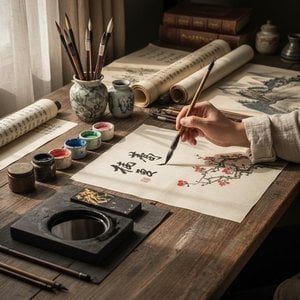
Embark on a sophisticated exploration of ink wash painting and Sumi-e. Uncover the profound historical lineages, Zen philosophies, and technical mastery behind this timeless medium in our authoritative guide for fine art enthusiasts.

Explore the profound artistry of graphite drawing. Discover professional techniques for mastering depth, texture, and detail through a lens of art history, from classical sketches to modern masterpieces. Elevate your understanding of the pencil medium with our expert guide.

Elevate your artistic practice with this expert guide to mastering the line. Discover advanced techniques in graphite, charcoal, and contour drawing designed for art students seeking technical precision and expressive depth in their fine art studies.
 Peržiūrėti realaus dydžio版
 Pasidalinti
 Dalintis
 Išsamiau
 Vadovas

 Atsisiųsti
 Panašūs eksponatai
 Rentgeno spindulių nuotrauka
 Automatinė diorama
 问答
问答
 Statistika


 Skaityti daugiau









 Stiklo variantas prieinamas tik pasirinkus dydį iki 110 cm


