NEMOKAMA MENO KONSULTACIJA

x
Pirkti atspaudą Pirkti atspaudąUžsisakyti kopiją Užsisakyti kopiją PasidalintiPasidalinti
IšsamiauIšsamiau Pridėti į mėgstamiausius Pridėti į mėgstamiausius AtsisiųstiAtsisiųsti Panašūs eksponataiPanašūs eksponatai RentgenogramąRentgenogramą Automatinė dioramaAutomatinė diorama

Actresses

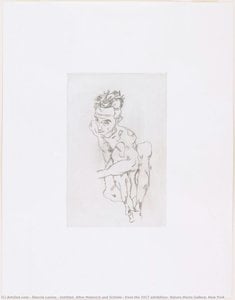
Explore Joseph Beuys' 'Actresses,' a poignant graphite drawing capturing two figures in movement. This preparatory sketch reveals his expressive style and explores themes of performance & humanity.

Joseph Beuys (1921-1986): German Fluxus pioneer blending art, politics & humanism. Explore his 'Social Sculpture' – felt, fat & revolutionary concepts.

Įsigykite aukštos skiriamosios raiškos, patobulintą skaitmeninį vaizdą, gerokai pranašesnį už internetinę peržiūrą.

Kiekvieną failą mūsų specialistai kruopščiai paruošia naudojant pažangias technologijas ir profesionalų rankinį retušavimą. Užtikriname, kad kiekvienas vaizdas pasižymėtų išskirtiniu aiškumu, tikslia spalvų atspalviu ir smulkiomis detalėmis.

Baigiamas failas el. paštu pristatomas per 72 valandas; jis optimizuotas nedelsiant naudojimui profesionalioje, redakcinėje ir spausdinimo aplinkoje. Tai ta pati kokybė, kuria pasitiki aukščiausios klasės dizaino studijos, leidyklos ir galerijos.

Skaitmeninis vaizdas

Atsisiųskite didelės raiškos failą asmeniniam naudojimui, spausdinimui ir kūrybiniams projektams.

Visų sumos kaina

$9.99

Kiekvieną skaitinio vaizdo užsakymą papildė

Profesionalus skaitmeninis pristatymas, garantuotas

Pasirinkę WahooArt.com, jūs ne tik gaunate paveikslėlį – jūs gaunate profesionaliai patobudintą skaitmeninį kūrinį, sukurtą itin tikniai ir užtikrinantį pasitenkinimą. Štai viską, kas automatiškai pritékia jūsų užsakymui:

shipping_icon
Greitas siuntimas el. paštu

Jūsų aukštos raiškos skaitmeninis vaizdo failas bus išsiųstas jums el. paštu per 72 valaudas nuo užsakymo – paruoštas naudojimui be jokių papildomų veiksmų.

canvas_icon
Skaitmeninis failas su dirbtiniu intelektu

Jūsų meno kūrinys profesionaliai optimizuojamas naudojant pažangius dirbtinio intelekto įrankius ir rankinį redagavimą, užtikrinant maksimalią detalę, aiškumą ir spalvų tikslumą.

insurance_icon
Nemokamas visam laikui pakartotinis siuntimas

Atsitiktinai ištrytikote ar praradote savo failą? Nebijokite – bet kuriuo metu atsiųsime jį jums vėl nemokamai.

tax_icon
Jokio importo mokesčio – niekada

Mėgaukitės savo meno kūriniu akimirka – skaitiniai failai visada yra neapmokestinami, todėl nereikės mokėti muitinės, mokesčių ar pristatymo mokesčių.

color_icon
Spalvų tikslumo garantija

Naudodami profesionalią įrangą ir spalvų valdymo sistemas, užtikriname, kad jūsų skaitmeninis vaizdas kuo tiksliau atspindėtų originalias spalvas.

return_icon
60 dienų pasitenkinimo garantija

Jei nebuvate patenkinti savo skaitinio vaizdo, per 60 dienų jį pertaisysime arba grąkinsime 100% sumą – be jokių klausimų.

guarantee_icon
100% pinigų grąžinimo garantija

Nepat 만족inti? Gaukite visą sumokėtą sumą per 60 dienų nuo skaitmeninio failo gavimo – be jokių papildomų klausimų.

discount_icon
Nuolaidos dideliems užsakymams

Pirkti 3 nuotraukas – pasiūla 10% - Pirkti 5 – pasiūla 15% - Pirkti 10 ir daugiau – pasiūla 20%. Puikiai tinka kūrybiniams projektams, galerijoms bei agentūroms.

Trumpos informacija

  • Movement: Neo-Dada
  • Subject or theme: Female figures
  • Dimensions: 21 x 29 cm
  • Artist: Joseph Beuys
  • Location: Tate Modern, London
  • Artistic style: Expressionistic
  • Title: Actresses

Karo viktorina

Kiekviename klausime yra tik vienas teisingas atsakymas.

Klausimas 1:
What artistic movement is most closely associated with Joseph Beuys’s work ‘Actresses’?
Klausimas 2:
The drawing utilizes loose, sketchy lines. What does this technique primarily convey about the artwork?
Klausimas 3:
What is the predominant color palette used in ‘Actresses’?
Klausimas 4:
According to the description, what is a notable feature of the background in ‘Actresses’?
Klausimas 5:
In what year was ‘Actresses’ created by Joseph Beuys?

Kolekcinio objekto aprašymas

The Weight of Performance: Joseph Beuys’s “Actresses”

Joseph Beuys's "Actresses," rendered in 1958 on a deceptively simple pale beige background, isn’t merely a sketch; it’s a distilled essence of performance, vulnerability, and the potent symbolism inherent within the human form. This preparatory drawing, a glimpse into the mind of one of the 20th century's most radical artists, immediately draws the viewer in with its loose, gestural lines – a deliberate rejection of rigid representation in favor of capturing a fleeting moment of embodied expression. The two figures, presented in profile and seemingly caught mid-movement, possess an immediate theatricality, hinting at dancers, performers, or perhaps even the silent drama of everyday life. Beuys wasn’t interested in replicating reality; he sought to translate feeling onto paper, imbuing his subjects with a palpable sense of energy and contained emotion.

Composition and Technique: A Study in Movement

The composition is strikingly asymmetrical, defying traditional notions of balance. The figures aren’t centered within the frame, instead occupying distinct points that create a dynamic imbalance—a visual representation of movement itself. Vertical lines, subtly introduced from the top edge, provide an anchor and structure to this otherwise fluid arrangement, preventing the drawing from dissolving into pure abstraction. Beuys's technique is characterized by a masterful use of hatching and cross-hatching, skillfully employed to build volume and shadow without resorting to precise shading. The loose, sketchy lines, rendered with charcoal or graphite, contribute significantly to the overall sense of spontaneity and immediacy—as if the artist were capturing a fleeting impression rather than meticulously crafting a finished image. Notice how he uses varying line weights to emphasize certain areas, drawing attention to the contours of the figures’ limbs and torsos.

Color Palette and Symbolism: Earthy Echoes

The muted color palette—dominated by earthy browns, ochres, and subtle touches of purple—reinforces the drawing's emotional depth. The beige background acts as a neutral canvas, allowing the figures to command attention without distraction. The small area of mauve on one figure introduces an element of mystery or perhaps even melancholy, hinting at hidden emotions beneath the surface. Beyond mere color choices, Beuys’s use of earth tones speaks to a deep connection with nature and the primal roots of human experience. Considering his later work focused heavily on social sculpture and the integration of art into everyday life, this grounding in natural materials and forms is profoundly significant. The elongated figures themselves can be interpreted as symbols of theatricality—a deliberate exaggeration that highlights the performative aspect of existence.

Historical Context and Artistic Influence

“Actresses” was created during a period of immense social and political upheaval in post-war Germany, a time when artists were grappling with questions of identity, purpose, and the role of art in society. Beuys’s work reflects this broader context, aligning with the burgeoning Expressionist movement and foreshadowing the rise of Fluxus and other avant-garde artistic practices. The drawing's emphasis on gesture and emotion anticipates the performance art that would become increasingly prominent in the latter half of the 20th century. Furthermore, it shares affinities with Surrealism, particularly in its exploration of the subconscious and its use of symbolic imagery. It’s worth noting that Beuys himself was deeply influenced by Carl Linnaeus's *Systema Naturae*, a book he rescued from a Nazi book burning—an event that profoundly shaped his artistic philosophy and his belief in art as a tool for social transformation. The drawing, therefore, can be seen as a meditation on the fragility of existence and the enduring power of human connection.

This preparatory sketch offers a rare glimpse into the creative process of one of the 20th century’s most visionary artists. “Actresses” is more than just a drawing; it's a testament to Beuys’s profound understanding of the human condition and his unwavering commitment to exploring the transformative potential of art.


Autoriaus biografija

A Life Sculpted in Society

Joseph Beuys, a name synonymous with the expansion of artistic boundaries, was more than just an artist; he was a visionary who believed creativity held the key to societal transformation. Born in Krefeld, Germany, in 1921, his life unfolded against a backdrop of immense political and social upheaval, profoundly shaping his artistic philosophy. From a childhood marked by relocation and early exposure to both natural sciences and the burgeoning darkness of Nazism—an event crystallized by rescuing Carl Linnaeus’s *Systema Naturae* from a book burning—Beuys developed a sensitivity to the fragility of existence and the power of symbolic action. His formative years were steeped in an intellectual curiosity that spanned music, mythology, and history, laying the groundwork for his later multidisciplinary approach. Though briefly involved with the Hitler Youth as a teenager – a common experience for German youth at the time – Beuys’s trajectory would ultimately lead him to challenge established norms and advocate for radical social change through art.

The Crucible of War and the Birth of an Iconography

World War II proved a pivotal, almost mythic, turning point in Beuys's life. Volunteering for the Luftwaffe in 1941, he experienced a near-fatal plane crash in Crimea in 1944. The story that emerged from this event—his rescue by Tatar tribesmen who wrapped his broken body in felt and fat to preserve warmth and aid healing—became central to his artistic identity. While historical accounts dispute the details of this narrative, Beuys embraced it as a foundational myth, imbuing these materials with profound symbolic weight. Felt, representing protection, insulation, and connection to nature; and fat, symbolizing energy, healing, and transformation—these became recurring motifs in his work, acting as potent metaphors for the human condition and the potential for renewal. Following the war, Beuys formally studied sculpture at the Düsseldorf Academy of Fine Arts, but it was his engagement with anthroposophy, the spiritual philosophy developed by Rudolf Steiner, that truly ignited his artistic vision.

Social Sculpture: Art as a Revolutionary Force

Beuys’s most significant contribution to art history is arguably his concept of “Social Sculpture” (*Soziale Plastik*). This wasn't merely about creating physical objects; it was a holistic vision where creativity played a vital role in shaping society and politics. He believed that every individual possessed creative potential, and that this potential could be unlocked through participation—blurring the lines between artist, artwork, and audience. Social Sculpture wasn’t confined to galleries or museums; it extended into everyday life, encompassing political activism, educational initiatives, and public performances. He envisioned a “Gesamtkunstwerk”—a total work of art—where all aspects of human existence could be creatively engaged to foster positive social change. This philosophy underpinned his numerous actions, installations, and pedagogical endeavors, challenging the traditional role of the artist as a solitary creator and positioning them instead as a catalyst for collective transformation.

Performance, Materials, and Political Engagement

Beuys’s artistic practice was remarkably diverse, encompassing performance art, installations, drawings, sculptures, and political activism. His performances were often ritualistic, involving direct engagement with the public and unconventional materials. Iconic works like his felt suits, which he wore during numerous actions, symbolized warmth, protection, and a primal connection to nature. Fat Installations explored themes of energy, healing, and transformation, while performances such as “I Like to Learn” (1965), where he sat in a gallery window with stones and honey inviting dialogue, emphasized the importance of knowledge sharing and open communication. Sculptures like “Lightning with Stag in Its Glare” represented primal forces and human consciousness. Beyond his artistic creations, Beuys actively participated in political debates, founding the Free International Zone (FIZ) at documenta 7—a space for artistic experimentation and social dialogue—and becoming a vocal supporter of the German Green Party.

A Lasting Legacy

Joseph Beuys died in 1986, leaving behind a legacy that continues to inspire artists, activists, and thinkers today. He radically challenged conventional notions of creativity and authorship, emphasizing participation and social engagement. His work expanded the definition of art beyond aesthetic concerns to encompass political, environmental, and spiritual dimensions. His concept of Social Sculpture remains profoundly relevant, urging us to recognize the creative potential within ourselves and to actively participate in shaping a more just and sustainable future. Beuys wasn’t simply an artist; he was a prophet of possibility, reminding us that art has the power not only to reflect society but also to transform it.
Joseph Beuys

Joseph Beuys

1921 - 1986