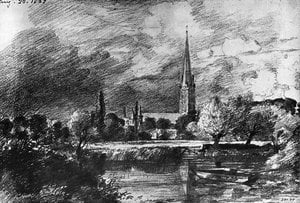
Historical Realism
 1934
1934 32.0 x 22.0 cm
Įsigykite aukštos skiriamosios raiškos, patobulintą skaitmeninį vaizdą, gerokai pranašesnį už internetinę peržiūrą.
Kiekvieną failą mūsų specialistai kruopščiai paruošia naudojant pažangias technologijas ir profesionalų rankinį retušavimą. Užtikriname, kad kiekvienas vaizdas pasižymėtų išskirtiniu aiškumu, tikslia spalvų atspalviu ir smulkiomis detalėmis.
Baigiamas failas el. paštu pristatomas per 72 valandas; jis optimizuotas nedelsiant naudojimui profesionalioje, redakcinėje ir spausdinimo aplinkoje. Tai ta pati kokybė, kuria pasitiki aukščiausios klasės dizaino studijos, leidyklos ir galerijos.
Atsisiųskite didelės raiškos failą asmeniniam naudojimui, spausdinimui ir kūrybiniams projektams. ( Pirkti spaudinį Pirkti rankomis tapytą paveikslą)
Pasirinkę WahooArt.com, jūs ne tik gaunate paveikslėlį – jūs gaunate profesionaliai patobudintą skaitmeninį kūrinį, sukurtą itin tikniai ir užtikrinantį pasitenkinimą. Štai viską, kas automatiškai pritékia jūsų užsakymui:

Jūsų aukštos raiškos skaitmeninis vaizdo failas bus išsiųstas jums el. paštu per 72 valaudas nuo užsakymo – paruoštas naudojimui be jokių papildomų veiksmų.

Jūsų meno kūrinys profesionaliai optimizuojamas naudojant pažangius dirbtinio intelekto įrankius ir rankinį redagavimą, užtikrinant maksimalią detalę, aiškumą ir spalvų tikslumą.

Atsitiktinai ištrytikote ar praradote savo failą? Nebijokite – bet kuriuo metu atsiųsime jį jums vėl nemokamai.

Mėgaukitės savo meno kūriniu akimirka – skaitiniai failai visada yra neapmokestinami, todėl nereikės mokėti muitinės, mokesčių ar pristatymo mokesčių.

Naudodami profesionalią įrangą ir spalvų valdymo sistemas, užtikriname, kad jūsų skaitmeninis vaizdas kuo tiksliau atspindėtų originalias spalvas.

Jei nebuvate patenkinti savo skaitinio vaizdo, per 100 dienų jį pertaisysime arba grąkinsime 100% sumą – be jokių klausimų.

Nepat 만족inti? Gaukite visą sumokėtą sumą per 100 dienų nuo skaitmeninio failo gavimo – be jokių papildomų klausimų.

Pirkti 3 nuotraukas – pasiūla 10% - Pirkti 5 – pasiūla 15% - Pirkti 10 ir daugiau – pasiūla 20%. Puikiai tinka kūrybiniams projektams, galerijoms bei agentūroms.

John Taylor Arms was far more than a mere printmaker; he was an architect of light and shadow, a man who used the needle to resurrect the grandeur of a bygone era. Born in Washington, D.C., on April 19, 1887, his early life was marked by a rigorous intellectual pursuit that would later define the precision of his art. Before he ever touched an etching plate, Arms navigated the demanding corridors of Princeton University, studying law, before pivoting toward the structural complexities of architecture at the Massachusetts Institute of Technology. This foundational training in architectural drafting provided him with a unique ocular discipline, allowing him to perceive the world not just as a collection of shapes, but as a sophisticated interplay of weight, balance, and historical narrative.
The turbulence of the early twentieth century left an indelible mark on his spirit. Serving as an officer in the United States Navy during World War I, Arms experienced a world in flux, yet it was this very period of service that seemed to crystallize his dedication to craftsmanship. Upon returning to civilian life, he turned his focus toward the graphic arts, publishing his first original etchings in 1919. His initial subject matter—the soaring, industrial majesty of the Brooklyn Bridge—demonstrated an early mastery of perspective and tonal gradation, proving that his architectural eye could find beauty in both the ancient and the modern.
As his career matured throughout the 1920s and 30s, Arms’ artistic gaze drifted from the steel spans of New York toward the hallowed, stone-carved sanctuaries of Europe. He became a preeminent interpreter of Gothic architecture, particularly the magnificent cathedrals of France and Italy. While many of his contemporaries were swept up in the fluid, emotive strokes of Impressionism, Arms remained steadfast in his commitment to an almost scientific accuracy. To him, every flying buttress, every intricate finial, and every delicate rose window held a spiritual and historical weight that demanded absolute fidelity.
His technical process was nothing short of legendary among printmaking circles. To achieve the microscopic detail required to render medieval stone carvings, Arms employed unconventional tools, such as sewing needles, to etch hairline precision into his plates. Working under the scrutiny of magnifying glasses, he painstakingly built layers of texture and depth, creating works that felt less like prints and more like windows into the past. This meticulousness allowed him to capture the soul of the architecture; through his lines, one could almost feel the cool dampness of a cathedral nave or the weight of centuries-old masonry.
The significance of John Taylor Arms lies in his ability to bridge the gap between technical documentation and fine art. His oeuvre serves as a vital graphic record of architectural splendor, preserving the intricate details of medieval structures with a clarity that photography of the era could not replicate. His work was celebrated by numerous printmaking societies, and he became a prominent figure in the American graphic arts scene, blending humanist sensibilities with his structural expertise.
Throughout his life, Arms’ contributions to the medium can be summarized by several defining characteristics:
When he passed away in 1953, Arms left behind a legacy etched into the very fabric of American printmaking history. His works, now held in prestigious institutions such as the Smithsonian American Art Museum, continue to inspire awe, reminding us that true beauty is often found in the most minute and meticulously crafted details.

1887 - 1953

 Peržiūrėti realybėje
 Pasidalinti
 Dalintis
 Išsamiau

 Atsisiųsti
 Panašūs eksponatai
 Rentgeno nuotrauka
 Automatinė diorama
 Skaityti daugiau