Jonas Singletonas Koplis: Amerikos ir Europos Kultūrų Tiltas
Jonas Singletonas Koplis, gimęs Bostone 1738 metais, užima išskirtinę vietą Amerikos meno istorijoje. Jis nebuvo tik dailininkas; jis buvo kultūrinis tiltas, jungiantis skirtingus pasažius ir formavęs savitą angliško-amerikiečių estetiką politinių ir socialinių permainų laikotarčiu. Koplio gyvenimo istorija – tai savištaukmo genialumo, neatsiejamo siekio ir gebėjimo užfiksuoti ne tik panašumą, bet ir savo subjektų esmę jų kontekste pasakojimas. Ankstyvoje jaunystėje Koplis buvo įtrauktas į klestinčio Bostono jūrų pasaulį – miestą, kupinus prekiautojų, laivus statančių meistrų ir augančios gerovės. Jo tėvas, Richardas Koplis, nors netrukus pasitraukęs, buvo tabako prekeivis, o motina, Mary Singleton Copley, valdė parduotuvę Long Wharf krante. Ši aplinka įskiepijo jaunajam Jonui gilų materialaus pasaulio suvokimą – audinių tekstūras, sidabro blizgesį, subtilią socialinės padėties niuansą – visus tuos elementus, kurie vėliau apibrėš jo meninį stilių. Žento tėvas, Peteris Pelhamas, gravierius ir limeris (dailininkas, sukūręs portretus ant pergamento), suteikė jam pirmųjų įžvalgų, tačiau Koplio talentas buvo daugiausia ugdytas savarankiškai, stropriu studijavimu ir praktika. Jis entuziastingai skaitė visus prieinamus graviruotus paveikslus, kruopščiai juos kopijuodamas įvaldyti techniką ir netrukus pranokdamas savo žento gebėjimus.
Kolonijinio Portretisto Pakilimas
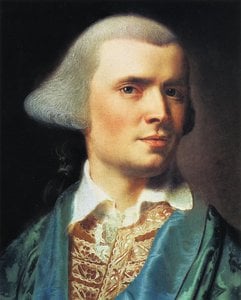
Nuo 1760-ųjų Koplis įsitvirtino kaip Bostono pirmaujantis portretistas, aptarnavęs miesto elitą. Jo sėkmė nebuvo tik technikos reikalas; tai buvo jo gebėjimas įdėti psichologinę gylį į savo portretus, kurio beveik nepastebėdavo kolonijinėje Amerikos dailėje. Jis perėjo už paprasto atvaizdo ir siekė sugauti savo subjektų charakterį bei socialinį statusą. Tai reikalavo kruopštaus dėmesio detalėms – tikslaus audinių, juvelyrinių dirbinių ir baldų atlikimo, bet ir gilaus supratimo apie pozą, išraišką ir gestus. Koplio portretai nebuvo tiesiog paveikslai; tai buvo pranešimai apie turtus, galią ir socialines ambicijas. Jis į savo kompozicijas subtiliai įtraukdavo simbolinius objektus, užčiuopiamas užuomazgas apie jo subjektų profesijas ar pomėgius. Prekiauojantis žmogus galėjo būti pavaizduotas su importuojamomis prekėmis fone, teisininkas – su teisės tekstais, o jūrų karininkas – su navigaciniais instrumentais. Šis dėmesys detalėms ir simbolizmui pakėlė jo darbą virš paprasto portretavimo, paversdamas jį socialinės komentaravo forma. Tokie tokie kaip *Mrs. Ezekiel Gondthwait (Elizabeth Lewis)* puikiai iliustruoja šį požiūrį – elegantiška poza, prabangūs audiniai ir subtilios detalės visos perteikia rafinuotumo ir statuso jausmą.
Ambicijos ir Europos Šauksmas
Nepaisant sėkmės Bostone, Koplis turėjo ambicijų, pranokusių kolonijinės meno pasaulio ribas. Jis troško pripažinimo įsitvirtinusiuose Londono ir Romos meniniuose sluoksniuose ir norėjo išbandyti savo įgūdžius prieš Europos meistrų foną. 1766 metais jis atsiuntė *Boy with a Flying Squirrel* į Menininkų draugiją Londone, kur ji sulaukė didelio Joshu Reynolds ir Benjamin West – dviejų pirmaujančių britų meno veikėjų – pagyrimo. Šis skatinimas sustiprino Koplio norą toliau mokytis ir vystyti savo įgūdžius. Tačiau šeimos pareigos ir klestintis verslas jį dar dešimtmetį laikė Bostone. Galiausiai 1774 metais, su žmona Susanna Farnsworth Clarke ir vaikais, jis išvyko į Europą, ketindamas studijuoti Senosios Meistrų kūriniuose ir įsitvirtinti kaip istorijos dailininkas. Amerikos revoliucijos protrūkis netrukus po jo atvykimo apsunkino situaciją, priversdamas Koplį orientuotis sudėtingoje politinėje aplinkoje siekiant savo meninių tikslų.
Istorinės Pasakojimai ir Palikimas
Londone Koplis rado tiek galimybių, tiek iššūkių. Jis toliau piešė portretus, įgydamas užsakymų iš žinomų britų veikėjų, bet taip pat atkreipė dėmesį į istorijos tapybą – žanrą, kuris tuo metu buvo laikomas prestižesnis nei portretavimas. Jo ambicingiausias darbas šioje srityje buvo *The Death of Major Peirson*, kuriame vaizduojama scena iš Džersio mūšio per Amerikos revoliuciją. Nors techniškai įspūdingas, jis sulaukė sumaištų atsiliepimų, o kai kurie kritikai abejojo jo kompozicija ir dramatišku poveikiu. Koplio vėlesnės istorinės tapybos, tokios kaip *The Collapse of the Earl of Chatham in the House of Lords*, buvo sėkmingesnės, rodant jo gebėjimą užfiksuoti sudėtingas emocijas ir dramatiškus momentus. Nors jis niekada visiškai nepasiekė norimo pripažinimo Europoje, Jonas Singletonas Koplis paliko neišblenkstantį pėdsaką tiek Amerikos, tiek Britanijos meno istorijoje. Jis sukūrė savitą angliško-amerikiečių stilių, derindamas Europos techniką su išskirtiniu kolonijinės estetikos pojūčiu. Jo portretai tebėra neįkainojami istoriniai dokumentai, suteikiantys įžvalgų apie praeities gyvenimus ir vertybes.
Jis prisimenamas ne tik dėl savo meninių įgūdžių, bet ir dėl jo vaidmens formuojant tautinę tapatybę per savo kūrinius. Jis mirė Londone 1815 metais, palikęs palikimą, kuris iki šiol įkvepia dailininkus ir žavina publiką.
Įtaka ir Meninis Tobulėjimas
- Ankstyvos Įtakos: Koplio ankstyvasis meninis tobulėjimas buvo stipriai paveiktas gravirų, kuriuos jis kruopščiai kopijavo, ypač Rembrandto van Rijn ir Antoine Watteau meistrų.
- Peterio Pelhamo Vadovavimas: Jo žento tėvas, Peteris Pelhamas, suteikė pirmųjų įžvalgų portretavimo ir graviravimo technikomis, padėdama pagrindą jo būsimai sėmei.
- Joshu Reynolds & Benjamin West: Skatinimas ir atsiliepimai iš šių žinomų britų dailininkų per Koplio ankstyvusius įnašus į Londono parodas buvo labai svarbūs formuojant jo ambicijas ir meninę kryptį.
- Rokoko Stilius: Koplis pradžioje priėmė Rokoko stilių, tai galima pamatyti naudojant subtilią spalvą, gražias pozas ir puošnius detalės. Tačiau jis palaipsniui perėjo į realistiškesnį ir santūresnį požiūrį.
- Istorijos Tapybos Įkvėpimas: Jo susipažinimas su istorinių paveikslų kūriniais, kuriuos sukūrė tokie dailininkai kaip Benjaminas West, įkvėpė jį tyrinėti šį žan



 Peržiūrėti realaus dydžio版
 Pirkti rankomis tapytą reprodukciją
 Siųsti
 Dalintis
 Išsamiau
 Gidas
Gidas

 Atsisiųsti
 Panašūs eksponatai
 Rentgeno spindulių nuotrauka
 Diaporama
 Statistika


 Rodyti daugiau






































 Stiklo variantas prieinamas tik pasirinkus dydį iki 110 cm