Šviesos ir Aukštųjų Bendruomenių Simfonija: Džonas Singeris Sardžentas
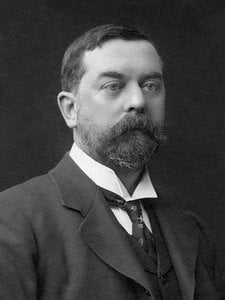
Džonas Singeris Sardžentas, vardas, neatsiejamas nuo Blizgėjimo amžiaus ir jo spindesio portretų, atspindinčių eleganciją, buvo amerikiečių dailininkas, praleidęs didžiąją savo gyvenimo dalį kultivuodamas savo meną Europos meno pasaulyje. Gimė 1856 m. sausio 12 d. Florencijoje, Italijoje, amerikiečių ekspatrijų Ficviljamo Sardžento ir Merės Niubold Singer šeimoje, jo vaikystė buvo visai neįprasta. Nuolatinis šeimos klajonumas – keliaujant po Prancūziją, Vokietiją, Italiją ir Šveicariją – įdiegė jaunajam Jonui kosmopolitiškumą ir ankstyvą pažinimą su Europos meno lobiais. Vietoj formalios mokyklos jo išsilavinimas atsiskleidė muziejų salėse ir senose bažnyčiose, ugdantį vizualinį raštingumą, kuris giliai paveiks jo meninę viziją. Šis klajonių vaikystė, nors ir neturėjo tradicinės struktūros, suteikė turtingą kultūrinių patirčių tapetą, maitinusią jo besivystantį talentą. Jo tėvas, chirurgas, ir motina, mėgėjė dailininkė, skatino jo polinkius, anksti atpažinę jo stebėjimo įgūdžių išskirtinumą. Buvo aišku nuo mažų dienų, kad Jono kelias nebus medicinoje ar įprastuose siekiuose, bet meno srityje.
Nuo Paryžiaus Meno Dirbtuvės iki Portretų Meistro
1874 m., aštuoniolikmečiu, Sardžentas pradėjo svarbiausią savo meninio tobulėjimo etapą įstojęs į Karoliuso-Diurano studiją Paryžiuje. Šis mentorystė pasirodė transformuojančia. Diurano pabrėžimas *tiesioginiam tapybai* – technikai, atsisakančiai nuo paruošiamųjų eskizų, palankai taikant dažus ant drobės – sutvirtino jau įspūdingą jo techninį meistriškumą ir suteikė jam stebėtinį gebėjimą užfiksuoti panašumus greitai ir tiksliai. Tai buvo revoliucinis požiūris, skatinantis drąsmę ir spontaniškumą, tapęs Sardžento stiliaus bruoku. Jis visapusiškai įsisavino Diurano pamokas, įvaldydamas ne tik fizinį panašumą, bet ir savo sėdėtojų esmę užfiksuoti. Be to, jis įstojo į Beaux-Arts mokyklą, dar labiau patobulindamas savo įgūdžius piešiant iš formų ir gyvų modelių. Tačiau tai ispanų meistrų, tokių kaip Velasquezas, kuriuos susitiko 1879 m. vykdant svarbiai kelionei į Ispaniją, įtaka tikrai uždegė Sardžento meninę vaizduotę. Jis buvo pakerintas Velasquezo meistriškumu šviesos, teptukų darbų ir psichologinės intuicijos srityse – savybėmis, kurių jis sieks emuliuoti visą savo karjerą.
Navigacija per Garbe, Skandalą ir Meninę Evoluciją
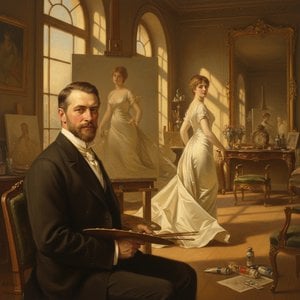
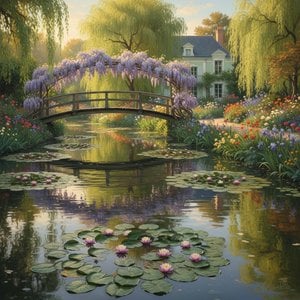
Sardžentas greitai įsitvirtino kaip geidžiamas portretistas Paryžiuje, pritraukdamas užsakymus iš miesto aukštuomenės. Tačiau jo pakilimas nebuvo be iššūkių. *Madame X* (Portretas ponios Pierre Gautreau) 1884 m. salone pristatymas sukėlė skandalą, kuris grasino sugriauti jo besisklandančią karjerą. Nutapkinus socialitės Virginie Amélie Avegno Gautreau drąsų vaizdą – su blyškiu odos atspalviu, įtakinga poza ir nukritusiu dirželiu – tai buvo laikoma provokuojančiu ir skandaliniu Paryžiaus visuomenėje. Nors Sardžentas vėliau perdengė dirželį, žala buvo padaryta. Susirūpęs dėl ginčo, jis 1886 m. persikėlė į Londoną, kur rado priimtiniau savo talentams. Londone jis ir toliau tapė portretus turtingų ir reikšmingų žmonių, neprilygdomu meistriškumu užfiksuodamas Edvardo epochos aukštosios visuomenės prabangą ir socialinę dinamiką. Tačiau Sardžento meninės ambicijos išsiplėtė už įsakytųjų portretų ribų. Jis geidė didesnės kūrybinės laisvės ir vis dažiau skyrė save kraštovaizdžio tapybai ir *plein air* studijoms, priimdami impresionistinį stilių, pasižymintį laisvu teptukų darbu, ryškiomis spalvomis ir dėmesiu, kaip sugauti trumpalaikius šviesos ir atmosferos momentus. Šie kraštovaizdžiai atskleidžia kitą Sardžento pusę – vieną, mažiau besirūpinantį socialiniu statusu ir labiau orientuotą į gamtos grožį.
Pavelės Palikimas: Už Portretų Ribų
Nors garsėja kaip „jo kartos pirmaujantis portretų dailininkas“, Džono Singerio Sardžento meninis palikimas išsiskiria toli gražu ne jo meistriškais aukštuomenės atvaizdais. Jo pagrindiniai darbai, tokie kaip *El Jaleo*, dinamiška ispanų flamenko šokėjų parodymu, ir *Carnation, Lily, Lily, Rose*, tykius vaizduojantis du jaunuolius anglų sode, demonstruoja jo universalumą ir techninį ryškumą. Vėliau gyvenime jis imasi ambicingų sieninės tapybos projektų, įskaitant monumentalų ciklą Bostono viešojoje bibliotekoje, parodydamas savo gebėjimą perkelti savo meninę viziją į didelį mastelį. Jo įtaka galima pamatyti vėlesnių kartų dailininkų darbuose, kurie jį gerbė dėl jo techninių įgūdžių, drąsaus teptukų darbo ir gebėjimo užfiksuoti tiek fizinį panašumą, tiek psichologinę gylį. Jo paveikslai ir toliau žavi publikas visame pasaulyje, suteikdami įdomią perspektyvą praėjusio amžiaus epochai, kartu su tuo išlikdami laiko viršenybę dėl jų nuolatinio grožio ir techninio meistriškumo. Jis neabejotinai yra vienas reikšmingiausių savo kartos amerikiečių dailininkų, o jo darbai ir toliau įkvepia ir sukelia pagarbą.
Įtakos ir Meniniai Ryšiai
- Karolus-Duran: Jo mokytojas, kuris įskiepijo jam tiesioginį tapybos metodą ir skatino spontaniškumą.
- Diego Velázquez: Sardžentas giliai žavėjosi Velasquezo meistriškumu šviesos, teptukų darbų ir psichologinės intuicijos srityse, ypač pastebima jo ispanų darbuose.
- Impresionizmas: Impresionistų pabrėžimas trumpalaikius momentus ir atmosferos efektus giliai paveikė jo kraštovaizdžių tapybą, vedantį į laisvesnį, ekspresyvesnį stilių.
- James Abbott McNeill Whistler: Sardžentas su Whistleriu dalijosi susidomėjimu estetikizmu ir „meno tikslu“, paveikdamas jo požiūrį į kompoziciją ir spalvą.



 Peržiūrėti realaus dydžio版
 Perjungti į spausdinimą
 Siųsti
 Dalintis
 Išsamiau
 Gidas
Gidas

 Atsisiųsti
 Panašūs eksponatai
 Rentgeno spindulių nuotrauka
 Diaporama
 Statistika


 Rodyti daugiau






































 Stiklo variantas prieinamas tik pasirinkus dydį iki 110 cm