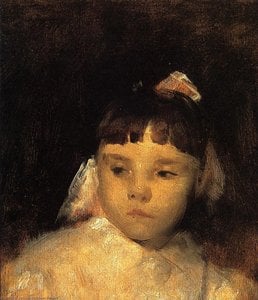
Rankiniu būdu tapytas aliejus ant droblio jūsų pageidaujamame dydį ir rėmuose – mūsų menininkų darbas pagal užsakymą. ( Pirkti spaudinį Pirkti vaizdą)





























Pasirinkite iš mūsų nustatytų dydžių, atitinkančių originalaus meno kūrinio proporcijas.

Galite įvesti savo matmenis, kad jie atitiktų konkretų rėmą ar erdvę. Jei pasirinktas dydis neatitinka originalaus paveikslėlio proporcijų, mes arba apkropsime meno kūrinį, arba papildysime tapybą rankomis dažytい elementais. Prieš pradėdami gamybą, jūsų patvirtinimui atsiųsime skaitmeninį maketą.
Atkreipkite dėmesį, kad ekrane rodomas vaizdas neatspindi tikrojo apkarpymo ar papildymo. Tik maketas tiksliai parodys galutinę kompoziciją.
Nors galima rinktis ir individualius dydžius, rekomenduojame pasirinkti matmenis iš nustatytos sąrašo, kad būtų išlaikytos originalios proporcijos.
Pristatymas visame pasaulyje () per 3–4 savaites, o ne įprastai – per 5 savaites. (7 rugsėjis). Kokybė lieka nepakeičiama.


Javanese Dancer (sudy)
Reprodukcijos matmenys
John Singer Sargent's "Javanese Dancer" (1889) is more than just a depiction of a woman in traditional attire; it’s a window into the burgeoning fascination with Eastern cultures that defined the late 19th century. Painted during a period of intense European exploration and colonization, this watercolor captures a moment of poised elegance and quiet intensity, reflecting both the subject's inherent grace and Sargent’s own masterful observation.
Beyond its technical brilliance, “Javanese Dancer” is rich in symbolic potential. The dancer’s single-legged stance, a common motif in Javanese dance, represents balance, control, and spiritual connection. Her focused gaze suggests concentration and dedication to her art – a theme frequently explored by Sargent in his portraits of women. The inclusion of what appears to be a fan or prop adds another layer of meaning, perhaps symbolizing communication, courtship, or the offering of respect.
Created in 1889, “Javanese Dancer” exemplifies Sargent’s signature style – a blend of realism and Impressionism that captured the spirit of the Gilded Age. His ability to portray both physical beauty and psychological depth made him one of the most sought-after portrait painters of his time. This work demonstrates his keen eye for composition, his understanding of human form, and his remarkable skill in rendering light and shadow. It’s a testament to Sargent's enduring legacy as an artist who captured not just appearances but also the essence of his subjects.


1856 - 1925 , Italija

Discover the ethereal beauty of watercolor through an art-historical lens. Master the delicate balance of light, fluidity, and pigment to capture the luminous essence of nature, inspired by the legendary techniques of the Old Masters and Impressionist greats.

Explore the divine mastery of Byzantine gold leaf and gilding. Discover how ancient artisans used gold ground and mosaics to create celestial light, a timeless legacy of spiritual splendor and technical excellence in sacred art history.

Embark on a visual journey through the world's most radiant masterpieces. Discover how gold leaf, impasto textures, and gilded tones define luxury in fine art, from Byzantine icons to modern abstracts. Explore the eternal allure of gold in curated, museum-quality art collections.

Discover the ethereal beauty of premium watercolor reproductions and bespoke commissions at WahooArt. From museum-quality landscapes to custom AI-enhanced portraits, our master artists deliver unparalleled craftsmanship and white-glove service for discerning collectors worldwide.

Discover the breathtaking elegance of John Singer Sargent's masterpieces. From iconic Gilded Age portraits to impressionistic landscapes, explore the technical brilliance and timeless allure of this American master through our premium, hand-painted fine art reproductions.

 Peržiūrėti realybėje
 Pasidalinti
 Dalintis
 Išsamiau

 Atsisiųsti
 Panašūs eksponatai
 Rentgeno nuotrauka
 Automatinė diorama

 Skaityti daugiau







 Stiklo variantas prieinamas tik pasirinkus dydį iki 110 cm