

Muziejų lygio „giclée“ arba drobos spausdinimas: greita gamyba ir lankstios apdailos parinktys. ( Pirkti rankų darbo tapybą Perejti prie skaitmeninių vaizdų)





























Pasirinkite iš mūsų nustatytų dydžių, atitinkančių originalaus meno kūrinio proporcijas.

Įveskite jums reikiamą plotį ir aukštį, kad atvaizdas derėtų prie jūsų rėmo ar sienos. Spausdiną galima tik sumažinti, bet nepadidinti virš originalaus paveikslėlio dydžio, todėl keičiant proporcijas, dalis vaizdo prarandama. Prieš spausdinimą atsiųsime jums skaitmeninį maketą patvirtinimui. Šioje puslapio nuotraukoje matomas pjūvis nėra tikslus – jį rodo tik maketas.
Pristatymas visame pasaulyje () per 2 weeks, o ne įprastas 4/5 savaičių laikotarpis. (9 lapkritis)
A Bedouin Arab
Reprodukcijos matmenys
John Singer Sargent's 1891 painting, “A Bedouin Arab,” is more than just a depiction of an individual; it’s a carefully constructed tableau brimming with the cosmopolitan sensibilities that defined the artist’s career and the anxieties of the late Victorian era. The subject, a Bedouin man rendered in meticulous detail, embodies a potent blend of exoticism and quiet strength. His posture – head tilted slightly, gaze fixed on some unseen point beyond the canvas – immediately draws the viewer into his world, inviting speculation about his thoughts and experiences.
Sargent’s technique is immediately recognizable: a masterful command of light and color that creates an almost palpable sense of texture. He employs loose, visible brushstrokes, particularly in the rendering of the Bedouin's robe and turban, suggesting both the weight of the fabric and the heat of the desert sun. The subtle gradations of tone – from the deep shadows clinging to the man’s face to the highlights catching on his turban – contribute significantly to the painting’s three-dimensionality. Notice how he uses broken color—small dabs of pigment rather than smooth blends—to build up the form, creating a shimmering effect that is characteristic of Sargent's style.
"A Bedouin Arab" was painted during a period of intense European fascination with the Orient, fueled by colonial expansion and burgeoning trade routes. The Bedouin figure represents more than just an ethnic group; he embodies the romanticized notion of the “noble savage,” a trope frequently explored in art and literature of the time. The inclusion of the two secondary figures – one to the left and another further back on the right – adds a layer of narrative ambiguity, perhaps suggesting a tribal gathering or a moment of quiet contemplation within a larger community. The patterned wall behind the subject serves not just as a backdrop but also as a visual echo of the Bedouin’s environment, reinforcing the painting's thematic concerns.
Sargent’s “A Bedouin Arab” possesses a quiet intensity that continues to resonate with viewers today. The subject's determined gaze, combined with the painting’s evocative atmosphere, invites us to contemplate themes of identity, resilience, and the enduring human connection to the natural world. This work exemplifies Sargent’s ability to capture not just physical likeness but also the inner character of his subjects – a skill that cemented his place as one of the most celebrated portrait painters of the Gilded Age. A hand-painted reproduction offers an unparalleled opportunity to experience the full impact of this remarkable artwork, bringing its beauty and complexity into your home or studio.
Istoriškai „A Bedouin Arab“ yra šio platesnio 19th Century laikotarpio Academic Realism stiliaus kūrinys.
Galima peržiūrėti nuotraukų rodyklę: Slaydšou puslapį kūriniam „A Bedouin Arab“ – Džonas Singeris Sardžentas.
„A Bedouin Arab“ – Džonas Singeris Sardžentas Informacinė medžiaga puslapioje galima rasti spausdinamą dviejų lapų informacinę lentelę: kūrinį su jo tapatybės lentele, laikotarpį nurodantį juostą, atitinkantį gyvenimo metus, kitus šio autoriaus darbus, išmatuotą spalvų paletę bei keturiomis stiliais paruoštus citavimo pavyzdžius.


1856 - 1925 , Italija
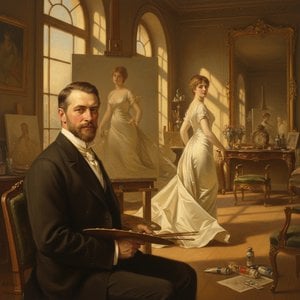
Discover the luminous mastery of John Singer Sargent. Explore an expert analysis of his legendary light, Gilded Age elegance, and technical brilliance, perfect for fine art enthusiasts seeking to bring timeless classical beauty into their modern collections.

Discover the breathtaking elegance of John Singer Sargent's masterpieces. From iconic Gilded Age portraits to impressionistic landscapes, explore the technical brilliance and timeless allure of this American master through our premium, hand-painted fine art reproductions.
 Peržiūrėti realaus dydžio版
 Pasidalinti
 Dalintis
 Išsamiau
 Vadovas

 Atsisiųsti
 Panašūs eksponatai
 Rentgeno spindulių nuotrauka
 Automatinė diorama
 问答
问答
 Statistika

 Skaityti daugiau









 Stiklo variantas prieinamas tik pasirinkus dydį iki 110 cm


