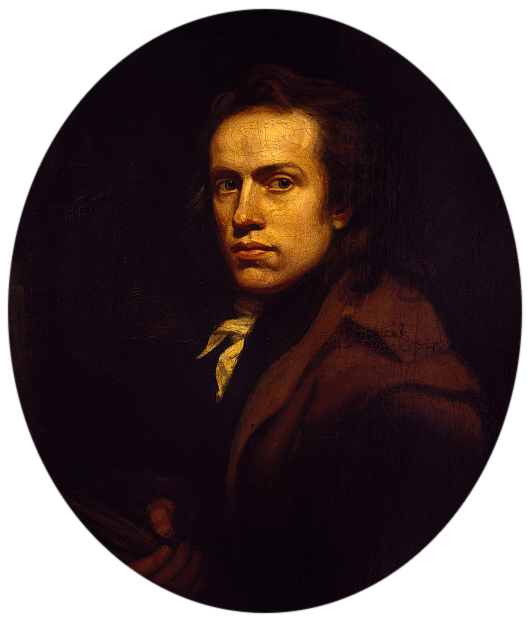
Autoriaus biografija
Kornwalijos prodigas kyla: Johno Opie gyvenimas ir menas
Johnas Opie, gimęs 1761 m. skromioje Kornwalijos Trevelasos Harmony Cottage šeimynėje, tapo viena ryškiausių savo kartos menininkų figūru. Jo istorija yra įtraukiantis pasakojimas apie gryną talentą, kėlintą prieš visą pasaulį: nuo staliaus sūnaus iki šlovės pelnyjusio portretininko ir istorinių žanro paveikslų meistro, Karališkosios akademijos nario bei įtakingo balsio britų meno pasaulyje. Opie ankstyvoji gyvenimo etapas pasižymėjo priešprieša tarp piešimo ir matematikos – šios dvasinės dvikalbystės galbūt ir suteikė jo kompozicijoms bei formoms itin kruopštumą. Net ir vaikystėje jis rodė nepriklausomą dvasią, organizavo vakarų mokyklą, kad mokytų vietinius vaikus skaityti, rašyti ir skaičiuoti, kartu tobulindamas Euklido geometriją. Šis troškimas žinių, kartu su menine nuversne, iš pradžių sulaukė tėvo pasipriešinimo, nes tas reikalavo, kad sūnus išmoktų staliaus amato. Tačiau likimas įsəkė savo žodį dr. Johno Wolcot, žinomio kaip Peter Pindar, gydytojo ir satirininko, kurio aštrus žvilgsnis pastebėjo neįtikėtiną potencialą jaunajame Opie.
Mentorystė, Londonas ir karališkas globas
Wolcot tapo Opie globėju: jis padėjo menininkui išsilieti iš staliaus mokinio ir suteikė neįvertinjamą vadovavimą, paramą bei svarbius pažintį. Ši mentorystė tapo esmine jo karjeros pradžioje. 1781 m. jie kartu išvykavo į Londoną, kur Wolcot sumaliai pristatė Opie kaip savišikį prodigį – „Kornwalijos stebuklą“, kurio kūryba dar nesusėlė su oficialiu meninio mokymu. Šis naratyvas sužavėjo Londono meno bendruomenę, o pats Sir Joshua Reynolds pasiūlė palyginimus su tokiais meistrais kaip Caravaggio ar Velázquez. Pradinė sėkmė buvo greita ir spindinti. Užsakymų srautas nežuvo, įskaitant portretus iš britų karališkosios šeimos – čia buvo ir Duke ir Duchess of Gloucester, ir Lady Salisbury, ir Mary Delany. Opie rezidencija Castle Street tapo madingos visuomenės centru, o jo talentas sulaukė didžiausios dėmesio ir susižavėjimo. Tačiau partnerystė su Wolcot ilgainiui išsietė, kai Opie siekė nepriklausomybės, norėdamas kurti savo kelią be jų pelno dalijimosi sutarties įkvėpimo. Šis laikotarpis užtvirtino Opie reputaciją kaip meistro, gebančio į savo portretus įamžinti ne tik fizinį panašumą, bet ir asmenybės bei socialinę padėtį.
Išvien portretų: istoriniai paveikslai ir akademinis pripažinimo
Nors iš pradžių jis buvo šlovės pelnęs dėl savo portretų, Opie troškė daugiau nei tiesiog elitinės visuomenės veidų fiksuoti. Jis troško prisiliesti prie didingų istorinių naratyvų, siekdamas įsitvirtinti kaip svarbių temų paveikslų meistras. Šis ambicijos troškimas paskatino jį tyrinėti istorinį žanrą, kurio viršūnė buvo tokie darbai kaip *Jamesas I nužudymas* (1786) ir *Rizzio nužudymas* (1787). Paskutinis šis kūrinys pasirodė itin paveiklus, užtikrinant jam nedelsiant būtį Karališkosios akademijos asociatu, o kitąmet – ir pilną narystę. Šie istoriniai paveikslai demonstravo augantį kompozicijos meistriškumą, dramatišką apšvietimą – dažnai primenantį Rembrandtą – ir gebėjimą perteikti emocinį intensyvumą. Opie atsidavimas menui išsiplėtė už tapybos ribų; jis aktyviai siekė plėsti savo intelektualines horizontas studijuodamas lotynų, prancūzų literatūrą ir dalyvaudamas aukščiausios klasės socialiniuose ratuose. Jis taip pat giliai įsipinėjo į John Boydell'io Shakespeare Gallery projektą, sukūręs penkis paveikslus, įkvėptus Šekspiro dramų, taip dar stiprinant savo vietą meninės bendruomenės pagrinduose.
Meninio ir mokslo palikimas
Vėlesnieji Opie gyvenimo metai buvo apdraudžiami tiek profesinės sėkmės, tiek asmeninių iššūkių. Jo pirmosios santykiai buvo nelaimingi ir baigėsi skyrybėmis 1796 m. Tačiau jis rado ilgalaikę laimę su Amelia Alderson, rašytoja ir abolicioniste, su kuria susituokė 1798 m. Jų partnerystė buvo grįsta abipusiu palaikymu ir intelektiniu stimuliavimu. 1805 m. Opie buvo paskirtas Karališkosios akademijos tapybos profesoriumi – tai buvo tiesioginis įrodymas apie jo prestižą meno pasaulyje. Jo paskaita, pristatytos 1806 m. ir paskirtos po mirties 1809 m. kartu su Amelia prisiminimais, atskleidė protrpų ir išmintingą protą, giliai susijusį su meninio kūrybos principais. Jis advocatedavo nacionalinės galerijos kūrimą – vizionierišką idėją, kuri vėliau tapo realybe – ir pateikė įžvalgias komentaras apie britų meno būklę. Johnas Opie mirė neįtikėtinai anksti, 1807 m. balandžio mėnesį, būdamas vos 46 metų, nutraukdamas itin perspektyvią karjerą, tačiau jo palikimas išlieka. Jis paliko po savęs didžiulį kūrybinį turtą – daugiau nei 500 portretų ir 250 kitų paveikčių – kurie suteikia fascinuojantį žvilgsnio į britų kultūros ir socialinį kravaštį XVIII a. pabaigos bei XIX a. pradžios laikotarpiui. Jis išlieka svarbi asmenybe britų meno istorijoje, vertinamas dėl savo techninio meistriškumo, gilių portretų ir įtakos meninei diskursui.



 Peržiūrėti realaus dydžio版
 Perjungti į spausdinamus版作品
 Pasidalinti
 Dalintis
 Išsamiau
 Vadovas

 Atsisiųsti
 Panašūs eksponatai
 Rentgeno spindulių nuotrauka
 Automatinė diorama
 Statistika


 Skaityti daugiau