Ankstyvieji Metai ir Duvenecko Įtaka
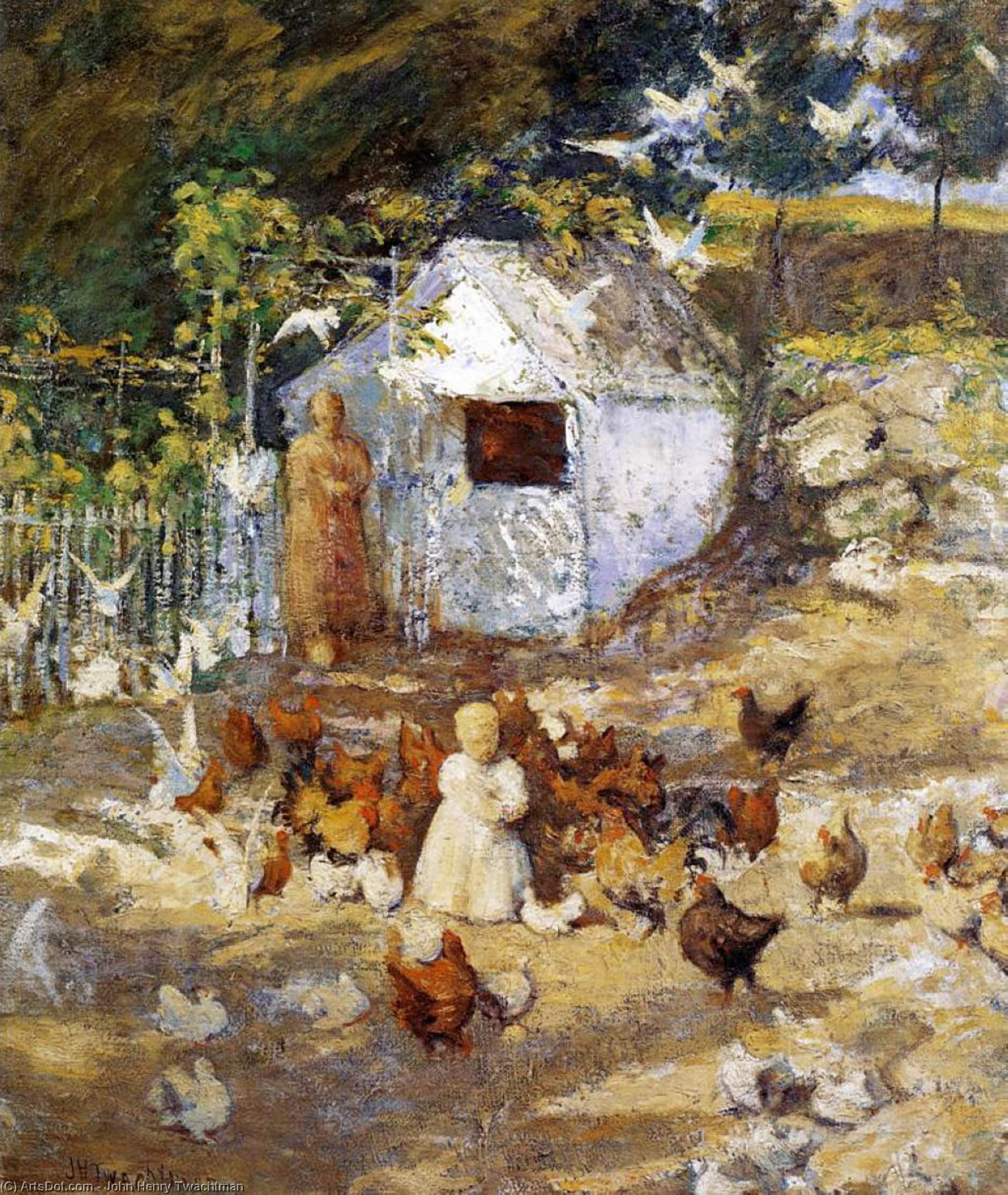
Džonas Henris Tvačtmanas, gimęs 1853 metų rugpjūčio 4 dieną Sinsinatyje, Ohajo valstijoje, yra svarbi figūra amerikietiškosios impresionizmo plėtroje. Jo kelias nuo akademinio mokymo iki unikalios asmeninės stilistikos atspindi ne tik jo artistinę evoliuciją, bet ir platesnius pokyčius Amerikos meno pasaulyje XIX amžiaus pabaigoje ir XX amžiaus pradžioje. Tvačtmano istorija – tai nuolatinės paieškos, nerami siekis užfiksuoti atmosferą ir emocijas per spalvą bei šviesą, galiausiai paliekantį neišdildomą ženklą kraštovaizdžio tradicijoje. Pradinį artistinį pagrindą jis įgijo mokydamasis pas Frank Duveneck savo gimtajame mieste – tai buvo lemiama patirtis, įskiepijusi jam dedikaciją tiesioginei stebėjimui ir atsisakymą pernelyg idealizuotų vaizdų. Šis ankstyvas mokymas padėjo pamatus vėlesniam progresyvių technikų priėmimui. Duvenecko įtaka buvo gili, skatinusi Tvačtmaną ieškoti tiesiogumo ir autentiškumo mene, atsisakant akademinių konvencijų ir kreipiantis į realistinį vaizdavimą su stipriu emociniu krūviu.
Europos Įtakos ir Tonalizmo Priėmimas
Siekdamas tobulinti savo įgūdžius ir praplėsti artistinį horizontą, Tvačtmanas leidosi į studijų Europoje laikotarpį, kuris pasirodė transformuojančiu. Nuo 1875 iki 1877 metų jis lankė Fine Arts akademiją Miunchene, kur įsisavino principus laisvai teptais, šešėlinės technikos, vyravusios tuo metu. Vėlesnis vizitas į Veneciją su Viljamu Meritu Čejsu dar labiau paskatino jį aistrą užfiksuoti šviesos ir atmosferos niuansus. Šios Europos patirtys buvo svarbios formuojant jo artistinę viziją, tačiau Tvačtmanas niekada tiesiogiai nekopijavo to, ką sutiko svetur; vietoj to, jis sintetizavo šias įtakas į kažką išskirtinai savo. Laikotarpis nuo 1883 iki 1885 metų jį rado Académie Julian Paryžiuje – tai buvo lūžio taškas, kai jo stilius pradėjo susilieti į minkštesnį, atmosferiškiausią požiūrį – poslinkis, kuris apibrėžtų jo firminę estetiką. Būtent šiuo parizietiškuoju laikotarpiu jis visiškai priėmė Tonalizmą, pasižymintį prislopintomis spalvomis, subtiliomis tono gradacijomis ir pabrėžimu kuriant nuotaiką bei atmosferą. Darbai, tokie kaip *Arques-la-Bataille*, dabar saugomi Metropoliteno meno muziejuje, yra puikus šio laikotarpio pavyzdys, demonstruojantis jo meistriškumą toninėse harmonijose ir įtaikiuose kraštovaizdžiuose.
Cos Cob Kolonija ir Asmeninis Impresionistinis Stilius
Grįžęs į Ameriką, Tvačtmanas apsigyveno Konektikute, įsigydamas farmą Grenviče, kuri taps namais ir artistiniu prieglobščiu. Jo buvimas augančioje Cos Cob meno kolonijoje buvo lemiamas – skatinant gyvybingą kūrybinę bendruomenę, kur idėjos laisvai keitėsi ir buvo ugdomas eksperimentavimas. Jis nebuvo tik rezidentas; jis tapo katalizatoriumi, įkvėpdamas savo draugus ir studentus naujoviškomis technikomis ir filosofiniu požiūriu į tapybą. Šiuo laikotarpiu Tvačtmanas peržengė griežtojo Tonalizmo ribas link labai asmeninės impresionizmo formos. Nors išlaikydamas pabrėžimą atmosferai ir šviesai, jo vėlesni darbai demonstruoja drąsesnį spalvų naudojimą ir dinamiškesnį teptuko potepį. Jis dažnai vaizdavo sniegu padengtus savo ūkio ir sodo kraštovaizdžius, paversdamas pažįstamas scenas poetiškais apmąstymais apie gamtos grožį. Jo ryškių scenų serija Glosteriuje, Masačusetse, pranašavo moderniausią jautrumą Amerikos mene, numatydamas abstrakčius tyrinėjimus, kurie seka.
Palikimas ir Ilgalaikis Poveikis
Džono Henrio Tvačtmano ankstyvas mirties 1902 metais sulaukęs keturiasdešimt devynerių metų nutraukė perspektyvią karjerą, tačiau jo įtaka tęsėsi per vėlesnes Amerikos menininkų kartas. Jis paliko kūrinių rinkinį, švenčiamą už poetišką jautrumą, techninį meistriškumą ir naujovišką požiūrį į kraštovaizdžio tapybą. Jo paveikslai nėra tik vietų reprezentacijos; tai nuotaikos, atmosferos ir emocinio ryšio tarp žmonijos ir gamtos atspindžiai.
Tvačtmano indėlis apima ne tik jo individualius drobinius; jis vaidino gyvybingą vaidmenį įsteigdamas amerikietiškąjį impresionizmą kaip atskirą meno judėjimą. Jis buvo steigiamasis narys „The Ten“, grupės menininkų, siekusių ištrūkti iš tradicinių meno institucijų apribojimų ir kloti savo kelią.
Landscape 3, su savo ramiu gamtos vaizdavimu, yra puikus jo tonalistinio požiūrio pavyzdys, o darbai, tokie kaip *Reflections*, demonstruoja jo gebėjimą užfiksuoti trumpalaikes šviesos ir atmosferos akimirkas. Jo palikimas toliau sustiprinamas tokiais kūriniais kaip *Brook among the Trees*, įtraukiantis pastelinį paveikslą, kuris parodo Tvačtmano gebėjimą perteikti ramybę ir gamtos grožį. Jo naujoviškas dvasi tebeturi įkvėpti menininkus šiandien, sutvirtindamas jo vietą tikruoju amerikietiškosios impresionizmo pioneriumi ir tonalistinio kraštovaizdžio tapybos meistru.
Žymiausi Darbai
- Landscape 3 (apie 1894-1902): Esminis Tvačtmano tonalistinio laikotarpio pavyzdys, demonstruojantis jo meistriškumą atmosferos perspektyvoje ir subtiliose spalvų harmonijose.
- Arques-la-Bataille (1885): Nupieštas jo buvimo Paryžiuje metu, šis darbas pabrėžia prancūzų impresionizmo įtaką jo stiliui.
- Reflections (apie 1902): Rami doko scenos reprezentacija, užfiksuojanti šviesos ir šešėlio žaidimą vandenyje.
- Brook among the Trees (1891): Įtraukiantis pastelinį paveikslą, demonstruojantis Tvačtmano gebėjimą perteikti ramybę ir gamtos grožį.
- The Holland Dyke (apie 1886-1890): Demonstruoja jo įgūdžius užfiksuoti atmosferos efektus ir subtilias tonines variacijas.


 Peržiūrėti realybėje
 Perejti prie spausdinimo
 Pasidalinti
 Dalintis
 Išsamiau

 Atsisiųsti
 Panašūs eksponatai
 Rentgeno nuotrauka
 Automatinė diorama
 Statistika

 Skaityti daugiau






































 Stiklo variantas prieinamas tik pasirinkus dydį iki 110 cm