Autoriaus biografija
Gyvenimas, įsišaknijęs Anglijos kraštovaizdyje
Džonas Konsteblis, gimęs 1776 metais idiliškoje Safolko kaimo Rytų Berholte vietoje, nebuvo tik peizažų dailininkas; jis buvo žemės poetas, verčiantis jos subtiliausias nuotaikas ir amžiną grožį ant drobės su beprecedenčiu emociniu gyliu. Jo tėvas, turtingas kukurūzų prekybos verslą valdęs ūkininkas, kuris valdė Dedhamo slėnį bei malūnus Stauro upėje, suteikė ne tik finansinį saugumą, bet ir pačią temą, kuri apibrėšė Konsteblio meninę gyvenimo trajektoriją. Šis ankstyvasj įsisavinimas kaimietiško pasaulio – lėtas žemės ūkio ritmo sūkurys, nuolat besikeičiantis šviesa laukuose ir vandenyje, gamtos intymūs detalės – buvo nepagindžiamai įspaudytas jo jausmų. Nors iš pradžių numatoma, kad jis paseks tėvo pėdomis versle, augantis meno aistra, ugdytas vietinių mecenatų, tokių kaip Džordžas Biumontas, pristatęs jam Klodo Loraino kūrinius, galiausiai nukreipė jį į kitą kelią. Konsteblio meninis kelias nebuvo tiesus; tai buvo palaipsniškas atskleidimas, formavęsis dėmesio stebėjimu ir nuolatiniu noru užfiksuoti ne tik *ką* jis mato, bet ir *kaip* jaučiasi būnant vietoje.
Nutraukdama konvencijas: Nauja gamtos vizija
Konsteblio meninis vystymasis buvo pažymėtas sąmoningu esamų akademinių konvencijų atmetimu. Ne tenkinamas idealizuotais ir dažnai teatrališkais peizažais, kuriuos pageidavo Karališkoji akademija, jis siekė tiesos atvaizdo gamtai, įkvėptas asmeninio jausmo. Jis nebuvo suinteresuotas didelėmis istorinėmis naratyvomis ar mitologiniais motyvais; jo dėmesys išliko nepajudinas aplink jį esančiai pažįstamai kaimynystei. Šis įsipareigojimas vaizduoti paprastus dalykus – šieno vežimus, ūkininkų pastatus, kaimo gyvenimą – pirmą kartą buvo sutiktas su nepasitenkinimu kritikų, kurie jo darbą laikė per kasdienišku ir be ambicijų. Tačiau Konsteblis išliko atkaklus, vedamas įsitikinimo, kad grožis slypi kasdieniame. Jis pionieriškai sukūrė *plein air* (laiškas lauke) tapymo techniką, išeidamas į laukus tiesiogiai stebėti ir užfiksuoti praeinančio šviesos ir oro poveikį. Šis tiesioginis sąveika su gamta leido jam įlieti savo drobėms artumą ir gyvybingumą, anksčiau nematytą britų peizažo mene. Jo tepteliai tapo vis laisvesni ir ekspresyvesni, naudojant impasto – tirštas dažų sluoksnis – kad sukurtų tekstūrą ir perteiktų judesio ir atmosferos jausmą. Jis ne tik įrašė tai, ką mato; jis vertė savo emocinį atsakymą į kraštovaizdį vizualia forma.
Simboliški darbai ir ilgalaikis poveikis
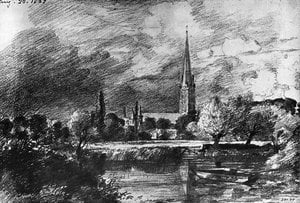
Konsteblio garsiausiai apibūdinti darbai yra liudijimai apie jo unikalų regėjimą. Šieno vežimas (1821), galbūt jo labiausiai atpažįstamas paveikslas, vaizduoja tipinį kaimietišką sceną Stauro upėje, užfiksuodamas žemės ūkio gyvenimo ramybę ir harmoniją. Hadleigh Castle (1829) parodo jo dramatišką šviesos ir atmosferos efektų naudojimą, paversdama subyrėjusį bokštą galingu laiko praėjimo simboliu. Serija paveikslų, vaizduojančių Salisbury katedrą iš pievų (1831), parodo jo gebėjimą sužadinti skirtingas nuotaikas ir dienos laikus, atskleidžiant katedrą kaip neatsiejamą kraštovaizdžio dalį. Netley Abbey (1824), su savo įkvepiančiu architektūrinės didybės vaizdavimu besislinkant gamtai, pavyzdučiai parodo jo įgūdžius derinti žmogaus kūrybą su kaimynystėje esančia laukinės gamtos gročiu. Nepaisydamas pradinių sunkumų dėl pripažinimo Anglijoje, Konsteblis pasiekė didelę sėkmę Prancūzijoje, kur jo naujoji technika ir emocinis gylis rezonavo su dailininkais, ieškančiais natūralesnio požiūrį į peizažo tapybą. Jis stipriai paveikė Barbizon mokyklą, prancūzų dailininkų grupę, kurie dalijosi jo įsipareigojimu *plein air* tapymu ir tiesioginiu gamtos stebėjimu.
Emocinio atgarsio palikimas
Džono Konsteblio istorinė reikšmė slypi ne tik jo meniniuose naujumuose, bet ir giliajame įtakoje peizažo tapybos vystymuisi. Jis išbandė akademines konvencijas, pakėlė paprastų dalykų statusą ir atidarė kelią asmeniškesniam ir emocingesniam požiūriui į meną. Jo pabrėžimas tiesioginiam stebėjimui, atmosferos efektams ir gamtos tiesa atspindi vėlesnių impresionistų tapytojų susirūpinimą. Jis parodė, kad peizažas gali būti gilių emocinių išraiškų priemonė, pajėgi sužadinti nostalgijos, ramybės ir nuostabos jausmus. Nors visą savo karjerą jis patyrė finansinius sunkumus, o mirė gana jaunai 1837 metais, jo palikimas tęsiasi. Šiandien Konsteblis yra švenčiamas kaip vienas iš didžiausių Britanijos menininkų, kurio paveikslai ir toliau žavi žiūrovus savo gročiu, nuoširdumu ir amžina jėga. Jo darbas yra gili priminimas apie gilų ryšį tarp žmonių ir gamtos bei meno transformacinį potencialą užfiksuoti jos esmę.
Asmeninis gyvenimas ir paskutinieji metai
Konsteblio asmeniniam gyvenimui pasižymėjo tiek džiaugsmu, tiek liūdesiu. Jis vedė Mariją Bicknell 1816 metais, ir jie susilauke septynių vaikų, nors daugelis iš jų neišgyveno kūdikystės. Santuoka suteikė jam emocinį palaikymą, bet taip pat sukūrė finansinius sunkumus. Buvo išrinktas Karališkosios akademijos nariu 1829 metais, tačiau vis dar susidurdavo su kritika iš kai kurių puselių, ypač dėl jo neįprastų technikų. Jo paskutiniai metai buvo apkartumo Marijos sveikatos blogėjimu ir galiausiai mirtimi 1828 metais, įvykiu, kuris giliai paveikė jį. Nepaisant šių sunkumų, Konsteblis išliko atsidavęs savo menui, tęsdamas dažyti iki savo mirties kovo 31 dieną, 1837 metais. Jis paliko turtingą meninį palikimą – liudijimą apie jo neprilygiamą įsipareigojimą užfiksuoti Anglijos kaimo grožį ir emocinį atgarsį. Jo paveikslai išlieka galingais praeities epochos vaizdais, kviečiant žiūrovus patirti kra



 Peržiūrėti realaus dydžio版
 Perjungti į spausdinimą
 Siųsti
 Dalintis
 Išsamiau
 Vadovas

 Atsisiųsti
 Panašūs eksponatai
 Rentgeno spindulių nuotrauka
 Diaporama
 Statistika


 Rodyti daugiau






































 Stiklo variantas prieinamas tik pasirinkus dydį iki 110 cm