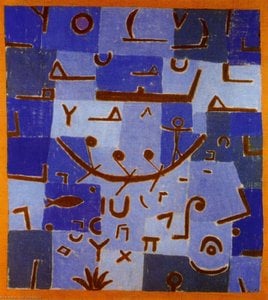
Šiame puslapyje rodomas meno kūrinys yra saugomas autorių teisių įstatymais, todėl neturime teisės legaliai kurti ar parduoti jo identiškos reprodukcijos. Ši apsauga užtikrinama remiantis tokiais tarptautiniais susitarimais kaip Bernės konvencija ir pagal nacionalines įstatymų nuostatas, įskaitant tas, kurias nurodo JAV autoriškos teisės įstatymas – 17-asis skyrius.
Šis metodas visiškai atitinka autorių teises, nes jame nėra saugomo kūrinio kopijavimo ar dubliavimo. Tai yra kūrybinė reinterpretacija – naujas paveikslas, kurį įkvėpė originalas, tačiau kuris nėra jo identiškas.
Muziejų lygio „giclée“ arba drobos spausdinimas: greita gamyba ir lankstios apdailos parinktys. ( Pirkti rankų darbo tapybą Perejti prie skaitmeninių vaizdų)





























Pasirinkite iš mūsų nustatytų dydžių, atitinkančių originalaus meno kūrinio proporcijas.

Įveskite jums reikiamą plotį ir aukštį, kad atvaizdas derėtų prie jūsų rėmo ar sienos. Spausdiną galima tik sumažinti, bet nepadidinti virš originalaus paveikslėlio dydžio, todėl keičiant proporcijas, dalis vaizdo prarandama. Prieš spausdinimą atsiųsime jums skaitmeninį maketą patvirtinimui. Šioje puslapio nuotraukoje matomas pjūvis nėra tikslus – jį rodo tik maketas.
Pristatymas visame pasaulyje () per 2 weeks, o ne įprastas 4/5 savaičių laikotarpis. (10 lapkritis)
Mujer y pájaro 1
Reprodukcijos matmenys
Joan Miró's "Mujer y Pájaro 1" is more than just a depiction of a woman and a bird; it’s an immersion into the vibrant, dreamlike world of one of the 20th century’s most influential artists. Painted in Barcelona during his prolific career – roughly between 1930-1940 - this artwork embodies Miró's signature style: a captivating blend of abstraction and recognizable imagery, rooted deeply in Catalan folklore and personal symbolism. The painting immediately draws the eye with its bold color palette—a joyous explosion of reds, blues, yellows, and whites – colors that evoke both the warmth of the Mediterranean sun and the cool depths of the subconscious. The woman, rendered with simplified forms and a sense of serene contemplation, appears to be engaged in an intimate exchange with the bird perched delicately on her shoulder. This interaction isn’t literal; it's a projection of emotion, a visual representation of the artist’s fascination with the connection between humanity and nature.
Miró’s technique in “Mujer y Pájaro 1” is characterized by its layered approach. He began with an underpainting, often using tempera or oil, which was then built upon with thin washes of color applied through a process he termed ‘grattage’. This involved scraping away layers of paint to reveal the underlying tones and create textured surfaces – a technique that adds significant depth and dynamism to the composition. The use of collage elements, incorporating fragments of paper and other materials, further enhances this textural richness. The artist’s meticulous attention to detail is evident in the precise placement of each element, contributing to the overall sense of balance and harmony. He employed a palette knife extensively, creating bold strokes and expressive marks that contribute significantly to the painting's energetic feel.
The symbolism within “Mujer y Pájaro 1” is rich and layered, deeply rooted in Catalan tradition. The bird, a frequent motif in Miró’s work, represents freedom, spirituality, and the connection to the natural world. Its placement on the woman's shoulder suggests protection and nurturing. The woman herself embodies fertility and grace, echoing ancient matriarchal figures within Catalan culture. Furthermore, the painting reflects the broader artistic context of the time – the rise of Surrealism, which embraced the power of dreams and the subconscious mind. Miró’s work aligns with this movement while retaining his unique, deeply personal vision. The influence of Antoni Gaudí's organic architectural forms is subtly present in the flowing lines and biomorphic shapes that characterize the entire composition.
"Mujer y Pájaro 1" possesses a profound emotional impact, inviting viewers into a realm of quiet contemplation. The painting’s vibrant colors and dynamic brushwork evoke a sense of joy, wonder, and perhaps even melancholy. It's a piece that speaks to our innate desire for connection – with nature, with ourselves, and with the mysteries of existence. This artwork is not merely a beautiful image; it’s an invitation to engage in a dialogue with the artist’s soul, a testament to Miró’s ability to translate his innermost thoughts and feelings into a visual language that continues to resonate with audiences today.
„Mujer y pájaro 1“ galima įsigyti kaip rankomis dažyta aliejaus reprodukcija ant lininio drobos. Užsakymą galite padaryti specialioje Rankų darbo aliejinis reprodukcija puslapio, pasirinkę tinkamą dydį.
„Mujer y pájaro 1“ – Žoanas Miro perteikia Romantic emocinę nuotaiką.
Rekomenduojama erdvė kūriniui „Mujer y pájaro 1“ – Žoanas Miro yra Living Room. Šią rekomendaciją, žinoma, galima pritaikyti prie jūsų interjero.


1893 - 1983 , Ispanija

Elevate your design projects with WahooArt's premium canvas prints and hand-painted reproductions. From Giclée excellence to bespoke oil commissions, we provide professional decorators with museum-quality, affordable art solutions delivered worldwide with a 100% satisfaction guarantee.

Discover the excellence of WahooArt.com premium poster prints. Designed for elite collectors, our museum-quality Giclée reproductions offer unmatched durability and archival precision to elevate your luxury interiors with high-impact, sophisticated art decor.
 Peržiūrėti realaus dydžio版
 Pasidalinti
 Dalintis
 Išsamiau
 Vadovas

 Atsisiųsti
 Panašūs eksponatai
 Rentgeno spindulių nuotrauka
 Automatinė diorama
 问答
问答
 Statistika

 Skaityti daugiau









 Stiklo variantas prieinamas tik pasirinkus dydį iki 110 cm