Autoriaus biografija
Džasperas Džonsas: Simbolių Tapybos Virtuoza
Džasperas Džonsas, gimęs 1930 m. gegužės 15 d. Augusta mieste, JAV, įsitvirtino kaip vienas reikšmingiausių XX ir XXI amžių amerikiečių dailininkų. Jo kūryba, subtiliai jungiantis abstrakčią ekspresiją su pop arte, sukūrė unikalų vizualinį kalbos sluoksnį, kuris iššūkavo vyraujančiai meno supratimo koncepcijai ir atvėrė naujas galimybes meniniam eksperimentui. Džonsas užaugo Pietų Karolinos valstijoje, kur vaikystės patirtis, apibūdinama tėvų skyrybomis ir atitrūkimo jausmu, galbūt subtiliai paveikė jo vėlesnius tyrimimus dėl identiteto ir priklausomybės temų amerikietiškoje ikonografijoje. Ankstyvieji metai buvo kupini kelionių tarp įvairių mokyklų, o trumpas studijų laikotarpis Pietų Karolinos universitete paliko nedidelį pėdsaką jo formaliojo išsilavinimo istorijoje. Tačiau tik 1949 m. persikėlęs į Niujorką Džonsas pradėjo aktyviai formuoti savo meninę kelią, susidūręs su besivystančia meno scena ir ieškodamas savojo balso. Korėjano karo metais praleistas laikas dar labiau sustiprino jo perspektyvą, atskleisdamas pasaulį, labai skirtingą nuo to, kurį jis norėjo pasiekti grįžęs į Niujorką.
Iš Abstrakcijos Link Simbolių: Naujo Vizualinio Kalbos Atgimimas
Pokario Amerikos meno pasaulis buvo dominuojamas abstrakčios ekspresijos – stiliaus, pasižyminčio spontaniškais gestais ir giliai asmenišku emociniu išreiškimu. Nors Džonsas pirmą kartą buvo paveiktas šio judėjimo, jis jaučia poreikį perėti jo grynai neabstraktų požiūrį. Jis ieškojo naujos vizualinės kalbos, kuri įtrauktų atpažįstamus vaizdus ne kaip iliustracijas, bet kaip priemones gilminesnioms apmąstymams. Tai nebuvo tik apie pasaulio *vaizdavimą*; tai buvo apie tai, kaip mes suvokime ir interpretuojame simbolius jame. Jo atsiskyrimui vadovavo Marcelio Diušano radikalūs „ready-made“ objektai, kurie iššūkė tradiciniams meno kūrimo principams, o abstrakčiojo ekspresionizmo materialumo pabrėžimas paveikė Džonsą ankstyvosiose technikose. Tačiau būtent kasdieniai objektai ir galingi amerikietiškoji kultūra simboliai – vėliavos, taikiniai, žemėlapiai, skaičiai – tapo pagrindiniais jo meninio žodyno elementais. Jis nebuvo suinteresuotas pabėgti nuo reprezentacijos; jis norėjo ją išardyti, perteikti prasmes ir galiausiai atskleisti jos esmines dviprasmybės.
Ikoniški Vaizdai: Vėliavos, Taikiniai ir Simbolių Kalba
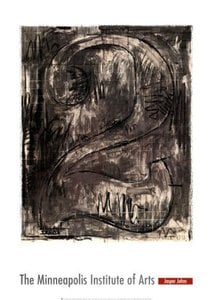
Džonsą perversmo darbai pasirodė 1950-ųjų viduryje, iškart įtvirtindami jį kaip reikšmingą veikėją. Jo vėliavų paveikslai, ypač *Vėliava* (1954–55), nebuvo patriotiniai pareiškimai, bet mokymai apie pačią reprezentacijos prigimtį. Atliktas naudojant enkaustikos – pigmento mišinį su karštu vašku – ir koliažo technikomis, šios vėliavos nebuvo tik vaizdai; tai buvo tekstūruoti paviršiai, kupini simbolinio svorio. Taikinių serija, prasidėjusi 1958 m., dar labiau tyrė susižavėjimą atpažįstamais formomis, nagrinėdama suvokimą ir prasmę per tariamai paprastą taikinio disko vaizdą. *Žemėlapis* (1961), su savo fragmentiškomis ir sluoksniuotomis JAV vaizdavais, gilinosi į geografijos, identiteto ir nacionalinės reprezentacijos sudėtingumo temas. Tokie darbai kaip *False Start* (1959) parodė jo eksperimentus su kalba ir vizualiniais kodais, sukuriantys sudėtingas kompozicijas, paragindamos žiūrovus iššifruoti jų pagrindines reikšmes. Netgi *Balta vėliava* (1955), tariamai paprastas monochromo drobė, sukėlė gilius klausimus apie nebuvimą, pasidavimą ir pačią matymo veiksmą.
Paveikslas ir Palikimas: Pop Arte Prieigas ir Už jų
Džaspero Džonso įtaka šiuolaikinės dailės eigai yra neatsiejama. Jis atliko svarbų vaidmenį pereidant nuo abstrakčios ekspresijos prie pop arte, iššūkdamas vyraujančioms estetinėms normoms ir atverdamas naujas meninės kūrybos galimybes. Priimdami atpažįstamus vaizdus, jis pavedė kelią tokiems dailininkams kaip Endi Varholas ir Roy Lichtensteinas, kurie dar labiau neryškino ribų tarp aukštojo meno ir populiariosios kultūros. Artimas bendradarbiavimas su Robertu Raušenbergu taip pat buvo giliai įtakingas, skatindamas eksperimentavimo dvasią ir stumdydamas meninės praktikos ribas. Džonsas iki šiol įkvepia kartas dailininkų klausinėti prielaidų, iššūkauti konvencijoms ir tyrinėti simbolių galią formuojant mūsų pasaulio supratimą. Jis tebėra aktyvus dailininkas, nuolat tobulindamas savo požiūrį ir stiprindamas savo padėtį kaip vieną svarbiausių XX ir XXI amžių meno veikėjų.
Pripažinimas ir Nuolatinis Poveikis
Per savo garbingą karjerą Džasperas Džonsas gavo daugybę apdovanojimų, įskaitant Auksinį Liūną Venecijos bienalėje 1988 m., Nacionalinį meno apdovanojimą 1990 m. ir Prezidento laisvės medalį 2011 m. Jo kūriniai yra saugomi didžiųjų muziejų kolekcijose visame pasaulyje – Niujorko Menų muzuje, Whitney muziejuje ir Nacionaliniame meno muzuje, taip pat Londone esančiame Tate Modern muziejuje, kad paminėtume bent keletą. Jis buvo daugybės parodų objektas, įtvirtinant jo statusą kaip šiuolaikinio meno meistras. Be paveikslų, Džonsas prisidėjo prie skulptūrų ir grafikos kūrinių, demonstruodamas savo universalumą ir neprilygstančią atnaujinimo įsipareigojimą. Jo nuolatinis palikimas slypi ne tik ikoniškuose vaizduose, kuriuos jis sukūrė, bet ir giliuose klausimuose, kuriuos jis pakėlė dėl reprezentacijos prigimties, simbolių ir pačios esmės, ką reiškia būti dailininku greitai besikeičiančiame pasaulyje.



 Peržiūrėti realaus dydžio版
 Perjungti į spausdinimą
 Siųsti
 Dalintis
 Išsamiau
 Vadovas

 Atsisiųsti
 Panašūs eksponatai
 Rentgeno spindulių nuotrauka
 Diaporama
 Statistika

 Rodyti daugiau






































 Stiklo variantas prieinamas tik pasirinkus dydį iki 110 cm