Peržiūrėti realaus dydžio版 Peržiūrėti AR realybėje Perjungti į spausdinamus版作品 Perejti prie skaitmeninių vaizdų Pasidalinti
Išsamiau Vadovas Pridėti į mėgstamiausius Atsisiųsti Panašūs eksponatai Rentgeno spindulių nuotrauka Automatinė diorama Q&A Statistika

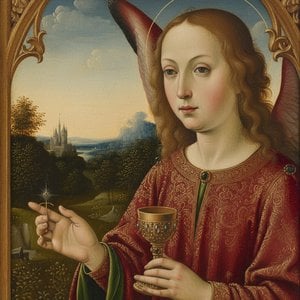
Deesis Hand-painted oil painting reproduction

Discover Jan Gossaert’s ‘Deesis,’ a stunning 1527 Renaissance masterpiece! Admire its rich detail, dramatic lighting & profound religious symbolism in this exquisite oil painting.

Atraskite Janą Gossaertą (Mabuse), XV–XVI a. flamų paveislininką! Tyrinėkite jo romanistų stilių, religines escenas ir portretus – vieną pagrindinių Renesanso meno veikėjų.

Rankų darbo aliejinės reprodukcijos

Rankiniu būdu tapytas aliejus ant droblio jūsų pageidaujamame dydį ir rėmuose – tai mūsų menininkų pagal užsakymą sukurtas darbas. ( Perjungti į spausdinamus版作品 Perejti prie skaitmeninių vaizdų)

Corner sample of the P118B picture frame: lieto polistirolo detalės, 5 cm wide and 3 cm thick
P118B €10
Corner sample of the P118H picture frame: lieto polistirolo detalės, 5 cm wide and 3 cm thick
P118H €10
Corner sample of the P118W picture frame: lieto polistirolo detalės, 5 cm wide and 3 cm thick
P118W €10
Corner sample of the P438Z picture frame: lieto polistirolo detalės, 5.5 cm wide and 3.5 cm thick
P438Z €10
Corner sample of the P508JH picture frame: lieto polistirolo detalės, 7 cm wide and 3.5 cm thick
P508JH €12
Corner sample of the P508YH picture frame: lieto polistirolo detalės, 7 cm wide and 3.5 cm thick
P508YH €12
Corner sample of the P805H picture frame: lieto polistirolo detalės, 5 cm wide and 3.5 cm thick
P805H €10
Corner sample of the P805Z picture frame: lieto polistirolo detalės, 5 cm wide and 3.5 cm thick
P805Z €10
Corner sample of the P919BZ picture frame: lieto polistirolo detalės, 7 cm wide and 3.5 cm thick
P919BZ €10
Corner sample of the P919G picture frame: lieto polistirolo detalės, 7 cm wide and 3.5 cm thick
P919G €10
Corner sample of the P919XJ picture frame: lieto polistirolo detalės, 7 cm wide and 3.5 cm thick
P919XJ €10
Corner sample of the P959ZH picture frame: lieto polistirolo detalės, 5 cm wide and 3 cm thick
P959ZH €10
Corner sample of the P968JZ picture frame: lieto polistirolo detalės, 6 cm wide and 4 cm thick
P968JZ €12
Corner sample of the W106C picture frame: solidus medžio

**Improved version:**
solidus medis, 5 cm wide and 3 cm thick
W106C €8
Corner sample of the W218G picture frame: solidus medžio

**Improved version:**
solidus medis, 5 cm wide and 3 cm thick
W218G €10
Corner sample of the W218JH picture frame: solidus medžio

**Improved version:**
solidus medis, 5 cm wide and 3 cm thick
W218JH €8
Corner sample of the W218Y picture frame: solidus medžio

**Improved version:**
solidus medis, 5 cm wide and 3 cm thick
W218Y €10
Corner sample of the W307PJ picture frame: solidus medžio

**Improved version:**
solidus medis, 6 cm wide and 3 cm thick
W307PJ €10
Corner sample of the W316G picture frame: solidus medžio

**Improved version:**
solidus medis, 6 cm wide and 3 cm thick
W316G €10
Corner sample of the W316PJ picture frame: solidus medžio

**Improved version:**
solidus medis, 6 cm wide and 3 cm thick
W316PJ €8
Corner sample of the W316Y picture frame: solidus medžio

**Improved version:**
solidus medis, 6 cm wide and 3 cm thick
W316Y €10
Corner sample of the W398PJ picture frame: solidus medžio

**Improved version:**
solidus medis, 5 cm wide and 3 cm thick
W398PJ €8
Corner sample of the W4111J picture frame: solidus medžio

**Improved version:**
solidus medis, 6.5 cm wide and 3.5 cm thick
W4111J €10
Corner sample of the W500HY picture frame: solidus medžio

**Improved version:**
solidus medis, 7 cm wide and 5 cm thick
W500HY €15
Corner sample of the W500JH picture frame: solidus medžio

**Improved version:**
solidus medis, 7 cm wide and 5 cm thick
W500JH €15
Corner sample of the W692G picture frame: solidus medžio

**Improved version:**
solidus medis, 8 cm wide and 4 cm thick
W692G €12
Corner sample of the W849H picture frame: solidus medžio

**Improved version:**
solidus medis, 5 cm wide and 3 cm thick
W849H €8
Corner sample of the W940BG picture frame: solidus medžio

**Improved version:**
solidus medis, 7.5 cm wide and 4.5 cm thick
W940BG €15
Corner sample of the W953PJ picture frame: solidus medžio

**Improved version:**
solidus medis, 6 cm wide and 3.5 cm thick
W953PJ €8

Standartinis dydis
pagal užsakymą
CM
INCH

Pasirinkite iš mūsų nustatytų dydžių, atitinkančių originalaus meno kūrinio proporcijas.

plotis
aukštis

Įveskite jums reikiamą plotį ir aukštį, kad paveikslas atitiktų jūsų rėmą ar sieną. Kadangi šis darbas yra rankinio darbo, siekiant išgauti kitokios formos dydį, paveikslas gali būti šiek tiek didesnis (nuo kraštų bus palikta daugiau erdvės) arba mažesnis – pasirinkite jums patogiausią variantą. Prieš pradedant tapyti, atsiųsime jums skaitmeninį maketą patvirtinimui. Šioje puslapio nuotraukoje matomas vaizdas nėra galutinis rezultatas – jį parodys tik sukurtas maketas.

Ką galima pakeisti (pavyzdžiai): Pakeisti veidą į kliento nuotrauką; Pridėti augintinį (pvz., pakeisti katę šunimi); Įtraukti paslėptą žinutę fone; Pakeisti fono kraštovaizdį ar elementus.
Gavus užsakymą, WahooArt.com komanda susisieks su klientu el. paštu dėl instrukcijų ir pateiks maketo pavyzdį

Pristatymas visame pasaulyje () per 3–4 savaites, o ne įprastai – per 5 savaites. (30 spalis). Kokybė lieka nepakeičiama.

Nemokamas greitasis pristatymas visame pasaulyje
Aukštos kokybės lininis drobė
Pilnas siuntimo draudimas
Muitinės mokesčių grąžinimo garantija
Tikro spalvų atitikimo garantija
100 dienų grąžinimo politika (tik esant įtaigoms)
100% pinigų grąžinimo garantija
Nuolaida dideliems užsakymams

Visos kainos suma

€ 286

Deesis

Reprodukcijos technika

Reprodukcijos matmenys

-

Bendroji kaina

€ 286

Trumpa informacija

  • Influences:
    • Italian Renaissance
    • Flemish tradition
  • Movement: Romanism / Northern Renaissance
  • Artist: Jan Gossaert (Mabuse)
  • Title: Deesis
  • Notable elements or techniques: Gold leaf, glazing, dramatic lighting

A Divine Encounter: The Sacred Majesty of Jan Gossaert’s Deesis

In the quiet, hallowed atmosphere of the early sixteenth century, few works captured the intersection of earthly realism and celestial glory as profoundly as Jan Gossaert’s Deesis. Created in 1527, this masterpiece serves as a breathtaking window into the soul of the Northern Renaissance. The painting presents a sacred triad: Christ at the apex, flanked by the Virgin Mary and St. John the Baptist. This traditional iconographic arrangement, known as the Deësis—or "supplication"—depicts the holy figures in a moment of eternal intercession for humanity. As one gazes upon the composition, there is an immediate sense of being drawn into a divine court, where the boundaries between the viewer and the heavens begin to dissolve.

The emotional resonance of the piece lies in its delicate balance of power and tenderness. Gossaert, often referred to by his evocative moniker Mabuse, masterfully utilizes a triangular composition to guide the eye upward toward the central figure of Christ. The lighting is nothing short of dramatic; a soft yet piercing radiance emanicates from the center, illuminating the faces of the saints with a glow that feels both physical and spiritual. This chiaroscuro effect creates deep, velvety shadows within the dark wooden arch that frames the scene, lending the work a sculptural weight and an air of profound mystery. For the collector or designer, this painting offers more than mere decoration; it provides a focal point of intense contemplation and quiet strength.

The Alchemy of Technique and Texture

To appreciate the Deesis is to marvel at the technical virtuosity of the Netherlandish tradition blended with the burgeoning influences of Italian Romanism. Gossaert was a pioneer, an artist who breathed the air of Rome and brought its classical elegance back to the Low Countries. In this work, we see the meticulous attention to detail characteristic of his Flemish roots—the heavy, tactile folds of the drapery, the subtle translucency of skin, and the rich, opulent textures of gold and deep crimson pigments. The use of oil on wood panel allows for a layering of glazes that gives the colors an inner luminosity, making the gold leaf appear to shimmer as if caught in a flickering candlelight.

Every brushstroke serves a purpose in building a sense of tangible reality. The organic shapes of the flowing robes and rounded, compassionate faces contrast beautifully with the rigid, geometric architecture of the arched frame. This interplay between the soft and the structured creates a rhythmic harmony that is deeply pleasing to the eye. For those seeking to incorporate such a piece into a curated interior, the painting’s rich palette of earth tones, golds, and deep reds offers a sophisticated foundation for any classical or transitional design scheme, bringing an aura of historical prestige and timeless elegance to a room.

A Legacy of Faith and Humanism

Beyond its aesthetic brilliance, the Deesis is a profound theological statement. It captures the precise moment in art history when the medieval preoccupation with symbolic representation began to embrace the humanistic focus on anatomical accuracy and spatial depth. The gestures within the painting—Mary’s prayerful tilt and John the Baptist’s outstretched hand—are not merely poses; they are silent prayers captured in oil. They represent the bridge between the mortal struggle and divine mercy.

Owning a high-quality reproduction of this work allows one to invite this spirit of reverence into the modern home. It is an invitation to slow down, to observe the intricate details of Gossaert’s genius, and to find beauty in the intersection of the human and the divine. Whether placed in a private study, a grand library, or a sophisticated living space, the Deesis stands as a testament to the enduring power of Renaissance mastery, offering an unparalleled sense of peace, history, and artistic splendor.

Klausimai ir atsakymai

Kokios yra „Deesis“ – Janas Gosaertas (Mabuzas) proporcijų ir kokio dydžio?

„Deesis“ – Janas Gosaertas (Mabuzas) yra Square formatas, kurio matmenys yra 133 x 122 cm.

Kokia spausdinimo konfigūracija rekomenduojama kūriniui „Deesis“ – Janas Gosaertas (Mabuzas)?

Rekomenduojama spausdinti „Deesis“ – Janas Gosaertas (Mabuzas) reprodukciją Large dydį, Square formatu.

Kur galiu įsigyti „Deesis“ – Janas Gosaertas (Mabuzas) skaitmeninį vaizdą?

Norėdami gauti „Deesis“ – Janas Gosaertas (Mabuzas) skaitmeninį failą, užsisakykite aukštos raiškos skaitmeninio vaizdo atsisiuntimas jo Skaitmeninis vaizdas puslapio.


Autoriaus biografija

Renesanso pionierius: Jano Gossaerto gyvenimas ir palikimas

Kintančio XVI amžiaus pradžios paveiksluose nedaug menininkų sugebėjo taip meistriškai įžengti į tiltą tarp kruopščių Šiaurės tradicijų ir augančio Pietų humanizmo, kaip tai padarė Janas Gossaertas. Istorijai žinomas evokuojamu vardu Mabuse, šis vizionieriškas paveislininkas iš Maubeuge, Prancūją, iškilo, kad taptų romanistų judėjimo pamatu. Jo kūrybos darbas atperka gilią metamorfozę niderlandų menoje, kur aštrus, taktilinis flamų meistrų realizmas susitiko su didingu, skulptūrišku Italijos Renesanso elegancija. Studijuoti Gossaertą – tai stebėti tą pačią akimirką, kai viduramžių siela pradėjo priimti klasikinę senovės šviesą.

Nors tikslūs jo ankstyvojo mokymosi detalės išlieka paslėptos laiko miglose, Gossaerto meninė DNK buvo giliai įsišaknijusi Žemųjų kraštų tradicijose. Visai plačiai sklebiamas įsitikinimas, kad savo formavimo metus jis praleido įsisavinodamas tokių meistrų kaip Rogierius van der Weyden ir Hugo van der Goes techninį griežtumą. Nuo šių pirmtakų jis paveldėjo nepanašų dėsią į detales – būdą vaizduoti tekstūras, audinius ir šviesą taip, kad jie žiūrėtojui atrodytų beveik lytintini. Tačiau Gossaertas tolilybė nuo vien tik praeities imitatoriaus; jis turėjo nenu ramsčiamos smalsybės naujoms tendencijoms, žvelgdamas į pietus, kad savo gimtinės stiliuje integruotų anatominį tikslumą ir architektūrinį Italijos Renesanso didybę.

Šiaurės ir Pietų sintezė

Tikrasis Mabuse genijus slypi jo gebėjime suharmonizuoti du panašiai skirtingus pasaulius. Jo evoliucija kaip romanistų paveislininko pažymėjo atokvėpią nuo grynojo gotikos pojūčio, kuris ilgai dominavo Šiaurės Europoje. Ten, kur ankstesni menininkai susikoncentruodavo į simbolinę gylį ir dvasinę ikonografiją, Gossaertas įvedė fizinės svorio ir klasikinės proporcijos pojūtį. Jis studijavo žmogaus kūną su nauju, moksliniu varžymu, leisdamas savo figūroms užimti erdvę su skulptūrine prateaika, kuri savo laikmetui atrodė revolucinė.

Ši stiliaus evoliucija labiausiai išryškėja jo šviesos ir atmosferos apdorojime. Jo rankose šviesa ne tik apšviečia sceną; ji ją skulptuoja. Jis taikė atmosferinę perspektyvą, kad sukurtų platias, įtraukiančias peizažus, kurie atrodo begalėje atitraukiami į tolmą, suteikdami savo subtjektams dramatišką sceną. Jo kompozicijose dažnai matomas sudėtingas šešulių ir spindulių sąveika – technika, suteikianti jo religiniams ir mitologiniams vaizdams beveik teatralinį intensyvumą. Ši meistriškumas leido jam išlaikyti pelnytiną pusiausvyrą tarp gilaus dvasinio kontemplacijos, reikalaujančio religinių užsakymų, ir intelektinės didybės, reikalaujančios jo laikmečio humanistų mokslininkų.

Meistriški kūriniai ir istorinė reikšmė

Gausi Gossaerto karjera buvo palaikoma prestižingos globėjų tinklo – nuo turtingų prekybininkų iki aukščiausio lygio dvasininkų ir kilnoble. Jo kūryba buvo neįtikėtinai įvairi: nuo monumentalinių altarių, įtvirtinančių katedrų interjerus, iki intymiškų portretų, įtrapinančių psichologinę savo modelių esmę. Kai kurie jo patvariausios įtakos kūriniai apima:

  • Religinė ikonografija: Tokie darbai kaip Deesis demonstruoja jo gebėjimą naudoti šviesą ir spalvą, kad sukeltų gilią dvasinę pagarbą, vaizduodamas Kristų su majestriškumu, kuris yra kartu ir žmogiškas, ir dieviškas.
  • <įli>Mitologiniai pasakojimai: Darbuose, tokiuose kaip Heraklis ir Deianira, Gossaertas pademonstravo savo meistriškumą klasikinėmis temomis, naudojdamas senovės mitų raumenį, kad išplėstų Šiaurės anatominio tapybos ribas.
  • Portretų menas: Jo portretai stovi kaip gyvybiški istoriniai dokumentai, pasižymintys kruopščiu kostiumų vaizdavimu ir oriu, stabiliu žvilgsniu, kuris atspindi kylančią asmens statusą Renesanso visuomenėje.

Jano Gossaerto istorinės reikšmės neįvertinti neįmanoma. Jis veikė kaip gyvybiškas tiltas, per Alpius pernešdamas Italijos klasikinį idealą ir tvirtai jį įsodindamas į trąšią Niderlandų žemę. Sumaišydamas kruopštų flamų tradicijos meistriškumą su struktūriniais Romos Renesanso naujovėmis, jis atvėrė kelią būsimoms Šiaurės menininkų kartoms. Jo palikimas išlieka įrašytas pačiame meno istorijos audinyje, reprezentuodamas triumfuojantį kultūrinės sintezės ir meninio atgimimo erą.

Janas Gosaertas (Mabuzas)

Janas Gosaertas (Mabuzas)

1478 - 1532 , Prancūzija

Trumpa informacija

  • Artistic Movement Or Style: Romanistų tapybos stilius
  • Artists Who Influenced This Artist:
    • Andrea Mantegna
    • Leonardo da Vinci
  • Date Of Birth: Maubeuge, Prancūzija
  • Date Of Death: 1532
  • Full Name: Jan Gossaert (Mabuse)
  • Nationality: Flamų
  • Notable Artworks:
    • Deesis
    • Herkulys ir Deianira
    • Šventoji šeima
  • Place Of Birth: Prancūzija