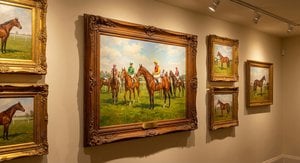
James Ward: Gyvenimas britų paveikslų istorijoje
James Wardas (1769–1859) buvo iškilmingas britų dailininkas, garsėjantis savo įtraukiančiais gyvūnų vaizdais, romantiškais peizažais ir giliomis portretų interpretacijomis. Nors kartais jo kūryba atsirado šešėlyje šalia kitų samtų meistrų, jo išskirtinis stilius ir meistriškumas žymiai paveikė britų dailės vystymąsi XIX amzeuge.
Vaikystė ir mokslas
Gimęs 1769 m. spalio 23 d. Londone, Jungtinėje Karalystėje, Jamesas Wardas buvo graveto Williamo Wardo youngerio brolis. Jo ankstyvieji meniniai polinkiai augli buvo puoselėjami kūrybingoje šeimynos aplinkoje. Nors jis gavo tam tikrą oficialų mokymą, jo meilė menui buvo didžiąja dalimi savarankiškas – jis nuolat tobulėjo per kruopščiausia stebėjimą ir nuolatinę praktinę patirtį.
Meninis vystymasis ir įtodiniai veiksmai
Dailininko karjera tradiciškai skirstoma į dvi skirtingas periodų dalis pagal jo kūrybos įtakas. Pradinio etapo metu, iki maždaug 1803 m., jo darbai labai priminė jo maršlės George’o Morlando stilių, pasižymintį žanrinėmis scenomis ir kasdienio gyvenimo tema. Po šio laikotarpio jį giliai įkvėpė baroko meistras Peter Paul Rubens, todėl jo kūryboje atgyjo dinamiškesnė kompozicija, praturtinta spalvų paletė bei dramatiškas šviesos ir šešėlio naudojimas.
Žinomosios kūrinys ir meninis stilius
Unikalus Wardo stilius išskyrė jį iš daugelio samtų kolegų. Jis puikiai meistruojosi įvairiuose žanruose, įskaitant istorinius paveikslus, portretinę dailę, peizažą ir gyvūnų vaizdą.로 Štai keletas jo garsiausių darbinų:
- Gordale Scar (1ừa/15): Laikomas jo šedevru, šis dramatiškas Jorkšyro atogloslos vaizdas įkūnija aukštinguosius Anglijos romantizmo kokybės.
- The Deer Stealer (1823): Šis Theophilus Levett užsakytas paveikslas demonstruoja Wardo gebėjimą pasakoti istorijas per gyvūnų vaizdinimą.
- John Levett Hunting at Wychnor, Staffordshire (1817): Vienas iš jo klientų portretas, parodantis dailininko meistriškumę užfiksuojant tiek asmenybės panašumą, tiek kūrinio atmosferą.
Jo paveikslams būdinga itin kruopštus detalės atideljimas, ypač vaizduojant gyvūnus, kartu su romantiška jautrumu, pabrėžiančiu gamtos grožį ir galią.
Užsakymai ir parodos
Wardas sulaukė tokio asmens kaip Theophilus Levett globos, o tai atvėrė jam kelią į daugybę meninių užsakymų. Jis reguliariai pristatydavo savo darbus Karališkajai akademijai, pelniaudamas pripažinimą dėl savo originalumo ir talento. 1811 metais priimtas nariu, jis tvirtai įsitvirtino britų meno bendruovėje.
Vėlesnieji metai ir palikimas
Wardas kūrybingai tapė iki tada, kai 1855 m. insultas sutrikdojo jo karjerą. Jis mirė 1859 m. lapdalio 17 d., gyvenęs relatively skursmingai, nepaisant ankstesnių sėkmių.
Nors vėliau gyvenime jis susidūrė su finansiniais sunkiais, James Wardo įtaka britų menui išlieka neabejoina. Jo unikali realizmo ir romantizmo sintezė paruošė kelią būsimoms gyvūnų paveikslavimo ir peizažo meistrų kartoms. Šįandien jo kūriniai saugomi prestižinguose kolekcijose, tokiuose kaip Tate Britain ir Yale Center for British Art.
Istorinė reikšmė
James Wardas užima svarbią vietą pereinamajam laikotarpiui tarp neoklasicizmo ir romantizmo erdos britų paveikslų istorijoje. Jis sujungė tradicinį žanrinį tapybą su pradinio susidomėjimo peizažais ir naturalizmu, palikdamas po savęs įtraukiančių darbų palikimą, kuris ir šiandien kelia susižavėjimą.



 Peržiūrėti realaus dydžio版
 Perjungti į spausdinimą
 Siųsti
 Dalintis
 Išsamiau
 Gidas
Gidas

 Atsisiųsti
 Panašūs eksponatai
 Rentgeno spindulių nuotrauka
 Diaporama
 Statistika


 Rodyti daugiau






































 Stiklo variantas prieinamas tik pasirinkus dydį iki 110 cm