Gyvenimas, įmerktas baroko spindesioje
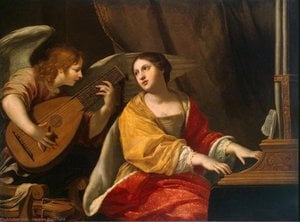
Jacques Blanchard, vardas, atspindintis XVII amžiaus prancūziškos dailės elegancija ir sensualumas, iškilo iš dirbtinės tradicijos Paryžiuje apie 1600 metus. Nors jo ankstyvoji gyvenimo detalės išlieka gana neaiškios, mes žinome, kad jis buvo auginamas šeimoje, giliai įminga menininkams; jo brolis Jean-Baptiste Blanchard ir sūnus Gabriel Blanchard abiejų seko dailininkų kelio, užtikrinant tęstaminę kūrybiškumo išdaugię. Jo pradinė apmokymai vyko po akiliacijos pažvelės jo motinos didžiuvo, Paryžiaus meninku Nicolas Baullery, kuris jam įdėjo tvirtą pagrindą klasikinėse technikose – pagrindą, kuris padarys kritinį, kai Blanchard pradėjo savo meninį kelionę. 1618 metais jis iškelia į Lioną, prisijungęs prie Horace le Blanc dirbtuvės, kur jo augantis talentas buvo greitai matomas. Vietoj tojis nebaigtos darbų palikti Le Blanc, įskaitant įkvepianti „Merė ir kūdikis su episkupo ir moteris, laikanti vaiko“, signalizuodamas ankstyvas pažadį, pranešantis apie jo ateitį sėkmę.
Italijos gimimas: Venecija ir jos įtakos
Privalomas kapitelis Blanchardo meninio vystymosi atsirado keliaujant Italijoje 1624 metais, su savo broliu Jeanu. Roma pasiūlė įmerkti į šioje laikore aktyvią meninį aplinkotę, įkeliant jį kontakto su išpopuliuota figūromis kaip Simon Vouet, Jacques Stella, Claude Mellan ir Nicolas Poussin. Tačiau tai buvo Venecija, kuri iš tikrųjų pavėlavo Blanchardo imagininę ir neatligojamai paformavo jo stilių. Dvi metai jis įsižvilgė miesto unikalią atmosferą, studijuodamas Titian, Tintoretto ir, labiausiai, Veronese maîtres darbus. Šis venecijus kelionė buvo transformuojančios; Blanchard išmeniuose priima Veronesės pasižymėjusią sidabrinę blond spalvų paletę ir jo meistrišką šviesos naudojimą, įdėgdamas šiuos elementus į savo religinius ir mitologinius subjektus. Pažymėjimai rodo, kad šį laikotarpį jis buvo ypač traukiamas Ovid’o „Metamorfozės“ scenomis, kūrimas darbus kaip „Venuso ir Adonis meilės“ Charles-Emanuel I Savojų herojui Turine – įrodant jo augančią įgalią ir klasikinio naratyvo įtaką.
Grįžimas į Franciją ir meninis gėrimas
Grįžęs į Franciją 1629 metais, Blanchard greitai užtikrino sau save kaip vadovaującą figūrą prancūziškoje dailėje 1630-ųjų. Jo darbas išsiskirtė dėl savo sensualaus subjektų ir unikalių stilių mišinio. Viena iš jo ankstyvų datuotas darbų grįžus, „Merė su Kristo kūdikiu, skelpiantis raktus St. Petras“ (1629) Albi katedroje, parodė fascinuojančią įtakų santykį – Bolognese tikslumas veido detalėse harmonizuojantis su jo naujai įgauta venecijų pojmėse. Tarp 1631 ir 1632 metų jis užsiėmė ambicingu projektu: „Hôtel le Barbier“ dekoravimu, apimaudariu ketvirta iš mitologinių ir literatūros kompozicijų. Deja, šie darbai nebeišgyvena, tačiau sąsaimės žinios patvirtina jų didingumą ir sudėtingumą. Blanchard ypač nepamirštamas dėl savo įvairių „Charity“ versijų, apribojusias minkštą sceną su jauna moterimi ir vaikais, demonstruodanti jo delikatų spalvų apdorojimą ir emocinį derinį. Jo „Bacchanal at Nancy“ pavyzdžiu rodo jo sensualinių temų tyrimą, atskleiddamas drąsę, kuri išdżėjo jį nuo daugelio savo bendraamžių.
Palėjimas: „Titianuoja Francija“
Jacques Blanchard įnašos prancūziško baroko dailėje yra neapribojamai svarbios. Jis įgaliai navigavo šioje laikore meniniais srautais, subalansuodamas Bolognese klasikinizmo ir venecijų spalvų išvaikinimus, kad sukurtų unikalią stilistiką, kuri buvo tik jo pačios. Charles Perrault garsiai vadino jį „Titianu Francijos“, patvirtinimas jo gebėjimu apdoroti spalvas, šviesą ir kompoziciją – garba, atspindinti venecijinės dailės gilus poveikis jo meniniam vizijai. André Félibien papildo pagarbomis Blanchardo už tai, kad jis reintroducuoja *le bon goût* (gerą skonių) į prancūzišką meną, pripažįstandas jo vaidmenį didinti šio laikme estetinės standartus. Jo jautrumas dėl subjektų – dažnai linkęs prie sensualumo ir mitologijos – panašino jį kaip pagrindinę figūrą XVII amžiaus prancūziškojo dailės vystymosi, palikdamas išdaugię, kuri toliau prikuria įžulbavimą ir įkvėpimą.
Jo darbai išlieka įkvepianti baroko menininkystės pavyzdžiai, mesiant techninį įgalią su emociniu rezonansu.
Pagrindinės įtakos ir ypatybės
- Pagrindinės įtakos: Titianas, Tintoretto, Veronese
- Ypatinestis stilius: Bolognese tikslumo ir venecijų spalvų išvaikinimų harmoninis mišinys.
- Dažnai pasireišdantys motyvai: Religiniai naratyvai, mitologinės scenos, sensualūs subjektai, „Charity“ atvaizdavimas.
- Ypmanūs ypatybės: Sidabrinė blond spalvų paletė, skaidri šviesa, delikatus spalvų apdorojimas, emocinis derinys ir subtilus sensualumas.



 Peržiūrėti realaus dydžio版
 Perjungti į spausdinimą
 Siųsti
 Dalintis
 Išsamiau
 Vadovas

 Atsisiųsti
 Panašūs eksponatai
 Rentgeno spindulių nuotrauka
 Diaporama
 Statistika


 Rodyti daugiau






































 Stiklo variantas prieinamas tik pasirinkus dydį iki 110 cm