Peržiūrėti realaus dydžio版 Peržiūrėti AR realybėje Pirkti rankomis tapytą reprodukciją Perejti prie skaitmeninių vaizdų Siųsti
Išsamiau Vadovas Pridėti į mėgstamiausius Atsisiųsti Panašūs eksponatai Rentgeno spindulių nuotrauka Diaporama Statistika

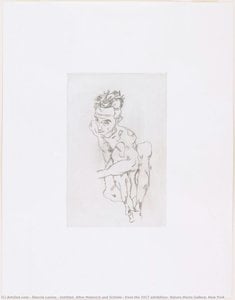
Untitled

Black & white drawing of a woman in motion by Hugo Robus. Captivating study of female form & movement. Explore this evocative artwork's grace and fluidity.

Discover Hugo Robus's evocative paintings of everyday life & landscapes. Explore his unique style through captivating works from WahooArt.

Šiame puslapyje rodomas meno kūrinys yra saugomas autorių teisių įstatymais, todėl neturime teisės legaliai kurti ar parduoti jo identiškos reprodukcijos. Ši apsauga užtikrinama remiantis tokiais tarptautiniais susitarimais kaip Bernės konvencija ir pagal nacionalines įstatymų nuostatas, įskaitant tas, kurias nurodo JAV autoriškos teisės įstatymas – 17-asis skyrius.

Šis metodas visiškai atitinka autorių teises, nes jame nėra kūrinio kopijavimo ar dubliavimo. Tai yra kūrybinė reinterpretacija – naujas paveikslas, kurį įkvėpė originalas, tačiau kuris nėra jo identiškas.

Giclée / Meno spausdinimas

Muziejų lygio „giclée“ arba drobos spausdinimas: greita gamyba ir lankstios apdailos parinktys. ( Pirkti rankomis tapytą reprodukciją Perejti prie skaitmeninių vaizdų)

Corner sample of the P118B picture frame: lieto polistirolo, 5 cm wide and 3 cm thick
P118B €10
Corner sample of the P118H picture frame: lieto polistirolo, 5 cm wide and 3 cm thick
P118H €10
Corner sample of the P118W picture frame: lieto polistirolo, 5 cm wide and 3 cm thick
P118W €10
Corner sample of the P438Z picture frame: lieto polistirolo, 5.5 cm wide and 3.5 cm thick
P438Z €10
Corner sample of the P508JH picture frame: lieto polistirolo, 7 cm wide and 3.5 cm thick
P508JH €12
Corner sample of the P508YH picture frame: lieto polistirolo, 7 cm wide and 3.5 cm thick
P508YH €12
Corner sample of the P805H picture frame: lieto polistirolo, 5 cm wide and 3.5 cm thick
P805H €10
Corner sample of the P805Z picture frame: lieto polistirolo, 5 cm wide and 3.5 cm thick
P805Z €10
Corner sample of the P919BZ picture frame: lieto polistirolo, 7 cm wide and 3.5 cm thick
P919BZ €10
Corner sample of the P919G picture frame: lieto polistirolo, 7 cm wide and 3.5 cm thick
P919G €10
Corner sample of the P919XJ picture frame: lieto polistirolo, 7 cm wide and 3.5 cm thick
P919XJ €10
Corner sample of the P959ZH picture frame: lieto polistirolo, 5 cm wide and 3 cm thick
P959ZH €10
Corner sample of the P968JZ picture frame: lieto polistirolo, 6 cm wide and 4 cm thick
P968JZ €12
Corner sample of the W106C picture frame: solidus medžio, 5 cm wide and 3 cm thick
W106C €8
Corner sample of the W218G picture frame: solidus medžio, 5 cm wide and 3 cm thick
W218G €10
Corner sample of the W218JH picture frame: solidus medžio, 5 cm wide and 3 cm thick
W218JH €8
Corner sample of the W218Y picture frame: solidus medžio, 5 cm wide and 3 cm thick
W218Y €10
Corner sample of the W307PJ picture frame: solidus medžio, 6 cm wide and 3 cm thick
W307PJ €10
Corner sample of the W316G picture frame: solidus medžio, 6 cm wide and 3 cm thick
W316G €10
Corner sample of the W316PJ picture frame: solidus medžio, 6 cm wide and 3 cm thick
W316PJ €8
Corner sample of the W316Y picture frame: solidus medžio, 6 cm wide and 3 cm thick
W316Y €10
Corner sample of the W398PJ picture frame: solidus medžio, 5 cm wide and 3 cm thick
W398PJ €8
Corner sample of the W4111J picture frame: solidus medžio, 6.5 cm wide and 3.5 cm thick
W4111J €10
Corner sample of the W500HY picture frame: solidus medžio, 7 cm wide and 5 cm thick
W500HY €15
Corner sample of the W500JH picture frame: solidus medžio, 7 cm wide and 5 cm thick
W500JH €15
Corner sample of the W692G picture frame: solidus medžio, 8 cm wide and 4 cm thick
W692G €12
Corner sample of the W849H picture frame: solidus medžio, 5 cm wide and 3 cm thick
W849H €8
Corner sample of the W940BG picture frame: solidus medžio, 7.5 cm wide and 4.5 cm thick
W940BG €15
Corner sample of the W953PJ picture frame: solidus medžio, 6 cm wide and 3.5 cm thick
W953PJ €8

Standartinis
individualaus dydžio
CM
INCH

Pasirinkite iš mūsų nustatytų dydžių, atitinkančių originalaus meno kūrinio proporcijas.

plotis
aukštis

Įveskite jums reikiamą plotį ir aukštį, kad atvaizdas derėtų prie jūsų rėmo ar sienos. Spausdiną galima tik sumažinti, bet nepadidinti virš originalaus paveikslėlio dydžio, todėl keičiant proporcijas, dalis vaizdo prarandama. Prieš spausdinimą atsiųsime jums skaitmeninį maketą patvirtinimui. Šioje puslapio nuotraukoje matomas pjūvis nėra tikslus – jį rodo tik maketas.

Pristatymas visame pasaulyje () per 2 weeks, o ne įprastas 4/5 savaičių laikotarpis. (27 spalis)

Nemokamas greitasis pristatymas visame pasaulyje
Aukštos kokybės lininis drobė
Pilnas siuntimo draudimas
Muitinės mokesčių grąžinimo garantija
Tikro spalvų atitikimo garantija
100 dienų grąžinimo politika (tik esant įtaigoms)
100% pinigų grąžinimo garantija
Nuolaida dideliems užsakymams

Bendroji kaina

€ 60

Untitled

Giclée / Meno spausdinimas

Reprodukcijos dydis

-

Visų pasirinktų variantų kaina

€ 60


Autoriaus biografija

The Sculptural Lyricism of Hugo Robus

In the grand tapestry of twentieth-century American art, few figures possess the quiet, transformative power of Hugo Robus. Born in Cleveland, Ohio, in 1885, Robus embarked on a creative odyssey that would see him traverse the boundaries between the two-dimensional world of painting and the tactile, three-dimensional realm of sculpture. His journey was not merely one of changing mediums, but an evolution of spirit—a movement from the structured, fragmented perspectives of Cubism toward a deeply personal, lyrical abstraction that sought to capture the very essence of human emotion through form.

Robus’s artistic foundation was built upon rigorous classical training. His early years at the Cleveland School of Art and the National Academy of Design in New York City provided him with a disciplined command of technique, yet it was his time in Paris that truly ignited his avant-garde sensibilities. Immersed in the vibrant atmosphere of the Académie de la Grande Chaumière under the guidance of Emile Carlsen, Robus breathed in the revolutionary air of European modernism. This exposure to the radical shifts of the era allowed him to experiment with the geometric complexities of Picasso and Braque, yet he possessed an innate drive to move beyond purely intellectual exercises toward something more visceral and emotive.

A Transition from Canvas to Bronze

The 1920s marked a profound metamorphosis in Robus’s career. While he began his professional life as a painter, the limitations of the flat surface eventually gave way to a fascination with volume, weight, and the interplay of light upon physical form. This transition was not an abandonment of his earlier explorations but a refinement of them. The fragmented logic of Cubism found a new, more fluid expression in his sculptural work, where he began to masterfully balance positive and negative space—a technique that would later echo the profound influence of Surrealist masters like Henry Moore.

As a sculptor, Robus developed a signature style characterized by serene elegance and sinuous contours. His works often feature stylized figures with polished surfaces that invite the eye to dance along their curves. He possessed a unique ability to render the human form not as a rigid anatomical study, but as a vessel for movement and feeling. Whether through the rhythmic lines of a bronze figure or the delicate tension in a pencil drawing, his work consistently sought to embody fundamental themes of domesticity, grace, and the quiet rhythms of life.

Legacy and the New City Colony

Beyond his individual masterpieces, Robus played a vital role in the communal fabric of American modernism. In 1918, alongside contemporaries such as Henry Varnum Poor and Martha Kantor, he co-founded an influential art colony in New City, New York. This enclave became a sanctuary for creative experimentation, fostering a community where the boundaries between different artistic disciplines could blur and evolve.

The enduring significance of Hugo Robus is etched into the permanent collections of the world's most prestigious institutions. His ability to bridge the gap between the structural rigor of early modernism and the expressive freedom of lyrical abstraction ensures his place in art history. Today, his works serve as poignant reminders of a period when American art was finding its unique voice—a voice that Robus helped shape through bronze, stone, and an unwavering commitment to the beauty of the human spirit.

  • Notable Sculptural Works: Woman Washing Her Hair, Girl Reading, Mother With Child, and Torso in Flight.
  • Key Artistic Influences: Cubism (Picasso, Braque), Surrealism (Henry Moore), and the classical training of Emile Carlsen.
  • Institutional Recognition: The Whitney Museum of American Art, The Museum of Modern Art (MoMA), and the Metropolitan Museum of Art.

Hugo Robus

Hugo Robus

1885 - 1964

Trumpa informacija apie kūrėją

  • Full Name: Hugo Robus
  • Nationality: American
  • Date Of Birth: 1885
  • Date Of Death: 1964
  • Place Of Birth: Cleveland, Ohio
  • Notable Artworks:
    • Study for Figure in a Hammock
    • Backyards
  • Artistic Movement Or Style: Cubist
  • Artists Who Influenced This Artist:
    • Emile Carlsen
    • Antoine Bourdelle
  • Artists Or Movements Influenced By This Artist: ['Italian Futurism']