


Gaukite spausdinimui paruoštą failą, kurio kokybė gerokai viršija internetinę peržiūrą. Kiekvienas mūsų parduodamas skaitmeninis vaizdas yra ištrauktas iš aukštos raiškos pagrindinio failo mūsų duomenų bazėje — paprastai jis siekia nuo 5 000 iki 15 000 pikselių plotio — todėl galite drąsiai spausdinti didelius formatus, apkirpti vaizdą ar reprodukcija užtikrins visas smulkias detales.
Mūsų studijoje nė viena kopija nelieka neapdorota. Skaitmeninio vaizdo ekspertas, lygiu su originaliu paveikslu, patikrina spalvas ir, jei reikia, jas koreguoja, o tada profesionaliais retušavimo įrankiais padidina aiškumą bei detales — visada išlaikydamas ištikimybę autoriaus teptuko traukoms ir stiliui. Rezultatas – vaizdas, kuris atrodo kaip tikras paveikslas, o ne kaip su filtrais apdorotas skenavimas.
Patvirtinate prieš užsakymo pabaigą: mūsų ekspertas per 72 valandas el. laišku atsiųsta vaizdą jūsų peržiūrai. Nepasitenkinate rezultatu? Paprašykite patobulinimų ar pataisymų arba prašykite pinigų grąžinimo, jei kokybė neatitinka jūsų lūkesčių.
Ši kokybė yra patikima leidybos įstaigoms, dizaino studijoms, galerijoms ir spaudos įmonėms.
Atsisiųskite didelės raiškos failą asmeniniam naudojimui, spausdinimui ir kūrybiniams projektams. ( Perjungti į spausdinamus版作品 Pirkti rankų darbo tapybą)
Pasirinkę WahooArt.com, jūs ne tik gaunate paveikslėlį – jūs gaunate profesionaliai patobudintą skaitmeninį kūrinį, sukurtą itin tikniai ir užtikrinantį pasitenkinimą. Štai viską, kas automatiškai pritékia jūsų užsakymui:
Jūsų aukštos raiškos skaitmeninis vaizdo failas bus išsiųstas el. paštu per 72 valandas nuo užsakymo – jis bus paruoštas naudoti be jokių papildomų veiksmų.
Jūsų meno kūrinys profesionaliai optimizuojamas naudojant pažangius dirbtinio intelekto įrankius ir rankinį redagavimą, užtikrinant maksimalią detalę, aiškumą ir spalvų tikslumą.
Atsitiktinai ištrytikote ar praradote savo failą? Nebijokite – bet kuriuo metu atsiųsime jį jums vėl nemokamai.
Mėgaukitės savo meno kūrynu be jokių muitinės mokesčių, įkainų ar pristatymo išlaidų – skaitiniai failai visada yra neapmokestinami.
Naudodami profesionalią įrangą ir spalvų valdymo sistemas, užtikriname, kad jūsų skaitmeninis vaizdas kuo tiksliau atspindėtų originalias spalvas.
Jei nebuvosite patenkinti įsigyto skaitmeninio vaizdo, mes jį tališkai koreguosime arba grąžinsime 100% sumą per 100 dienų – be jokių klausimų.
Nesitenkinate? Gaukite visą sumokėtą sumą per 100 dienų nuo skaitmeninio failo gavimo – be jokių papildomų klausimų.
Pirkti 3 nuotraukas – 10% nuolaida – Pirkti 5 – 15% nuolaida – Pirkti 10 ir daugiau – 20% nuolaida. Puikiai tinka kūrybiniams projektams, galerijoms bei agentūroms.
Hubert Robert's "Washerwomen," painted in 1796, is more than just a depiction of a daily scene; it’s a carefully constructed tableau brimming with the romanticism and artistic sensibilities of late 18th-century France. The painting transports us to a sun-drenched courtyard within a bustling Parisian city – a world rendered with an almost dreamlike quality through Robert's masterful use of light, color, and perspective. It’s a piece that speaks volumes about the era’s fascination with ruins, memory, and the beauty found in the commonplace.
Robert, born in Paris in 1733, was a painter deeply influenced by the Baroque tradition, particularly the works of Claude Lorrain and Andrea Pozzo. However, he quickly developed his own distinctive style, often referred to as “capriccio” – a term derived from Italian meaning ‘whim’ or ‘fancy.’ These landscapes weren't intended to be realistic representations but rather imaginative constructions that blended elements of history, mythology, and the natural world. "Washerwomen" exemplifies this approach perfectly, seamlessly integrating architectural fragments, classical statues, and a vibrant urban backdrop.
The painting’s core lies in Robert's manipulation of space and perspective. He employs a technique known as *foreshortening* to create the illusion of depth, drawing the viewer into the scene with remarkable accuracy. The arches and columns of the background buildings seem to recede infinitely, while the figures in the foreground appear remarkably close, almost inviting us to step into their world. This masterful use of perspective isn’t merely technical; it serves a deeper symbolic purpose – evoking a sense of timelessness and the enduring power of memory.
Robert was particularly drawn to ruins, viewing them as potent symbols of both loss and regeneration. He didn't simply depict decaying structures; he reimagined them, breathing new life into their weathered facades and transforming them into picturesque settings for his fantastical compositions. In “Washerwomen,” the crumbling architecture isn’t presented as a lament for the past but rather as a backdrop to an idyllic scene of everyday life – suggesting that beauty can be found even in decay and that memory can transform the past into something vibrant and enduring.
The painting's palette is dominated by warm, earthy tones—ochres, browns, and siennas—creating a sense of warmth and intimacy. These muted colors are punctuated by splashes of brighter hues – the blues of the sky, the pinks and yellows of the flowers, and the vibrant reds of the women’s clothing. Robert's attention to detail is astonishing; every cobblestone, every leaf, every fold in the fabric seems meticulously rendered. This level of precision contributes significantly to the painting’s overall realism and invites us to linger over its intricate details.
The figures themselves are depicted with a remarkable sense of naturalism. The women engaged in their laundry work—washing clothes at a fountain, carrying baskets—are not idealized representations but rather believable characters caught in a moment of quiet activity. Their gestures and expressions convey a sense of dignity and resilience, reflecting the strength and spirit of the Parisian working class.
"Washerwomen" is more than just a pretty picture; it’s a poignant meditation on beauty, memory, and the passage of time. Robert's ability to capture the essence of a fleeting moment—a scene from everyday life transformed into an enduring work of art—is truly remarkable. The painting resonates with us today because it speaks to universal themes: the connection between humanity and nature, the importance of preserving memories, and the beauty that can be found in even the most humble of scenes.
Today, reproductions of “Washerwomen” continue to captivate art lovers and interior designers alike. Its evocative atmosphere and masterful technique make it a timeless addition to any collection or space—a reminder of the artistic brilliance of Hubert Robert and his enduring legacy as one of France’s most celebrated landscape painters.
„Washerwomen“ – Hubertas Robertas sujungia Acrylic On Canvas techniką su Romanticism stiliumi. Technika ir stilius apibūdina kūrinio gamybos būdą bei jo estetinį iš Ausdrucką.
„Washerwomen“ spalvų harmonija yra apibūdinama kaip Strong Color Unity.
Atsižvelgiant į 1796 datą, kūrinys „Washerwomen“ priskiriamas Hubertas Robertas Mature Period laikotarpiui.

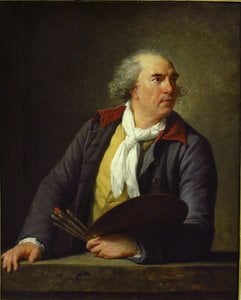
1733 - 1808 , Prancūzija
 Peržiūrėti realaus dydžio版
 Pasidalinti
 Dalintis
 Išsamiau
 Vadovas

 Atsisiųsti
 Panašūs eksponatai
 Rentgeno spindulių nuotrauka
 Automatinė diorama
 问答
问答
 Statistika


 Skaityti daugiau


