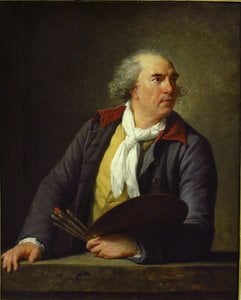
Pranciškus Robertas: Griuvėsių Tapytojas ir Vizionierius
Pranciškus Robertas, vardas neatsiejamas nuo įtaurių kraštovaizdžių ir romantiško griuvėsių žavesio, užima unikalų poziciją XVIII amžiaus prancūzų meno istorijoje. Gimęs Paryžiuje 1733 metais, jo gyvenimas rutuliavo kintančių artistinių stilių ir didžiulių istorių audrose – nuo rokokoko žaismingo elegantiškumo iki neoklasicizmo aušros, o galiausiai per Prancūzijos revoliucijos neramumus. Jis ne tik fiksavo nykimą; jis kūrė vizijas, derindamas stebėjimą su vaizduote, kad sukurtų scenas, rezonuojančias tiek nostalgija praeityje, tiek ateities lūkesčiu. Jo kelionė prasidėjo struktūruotame meno mokymo pasaulyje, pirmiausia po skulptoriaus Myšelio Anžo Slodco globoja, kuris atpažino Roberto talentą, tačiau protingai nukreipė jį į tapybą, pajutęs, kad jo tikrasis pašaukimas slypi šviesos, atmosferos ir subtilios formos poezijos užfiksavime.
Romos Svajonės: Formuojant Artistinę Tapatybę
Lemingas momentas Roberto artistinėje plėtroje įvyko 1754 metais, kai jis ilgai viešėjo Romoje. Lydimas Etjeno Fransua de Šuazelio, jis pasinėrė į istoriją ir architektūros didybe apimtą pasaulį. Vienuolika metų amžinas miestas tapo jo lauko studija, o jo griuvėsiai šventyklos, majestatiški arkos ir apleisti sodai kūrė jo vaizduotę. Tai nebuvo tik tai, ką jis matė; tai buvo apie interpretavimą, pakartotinį įsivaizdavimą ir prisodinimą melancholiško grožio jausmu. Jis dirbo kartu su Giovanni Paolo Panini, kurio įtaka matoma Roberto ankstyvuosiuose *kapričio* kompozicijose – fantastiškuose vaizduose, kuriuose klasikės griuvėsiai buvo kontrastuojami su šiuolaikiniu gyvenimu. Tačiau Robertas greitai peržengė imitaciją, sukūręs savitą stilių, pasižymintį kruopščia detale, atmosferos perspektyva ir giliumi jautrumu šviesos ir šešelio žaidimui. Jis ne tik tapė griuvėsius; jis tapė laiką patį, užfiksuodamas transencijos skausmingą grožį ir ilgalaikę atminties galią. Jo pieštukų albumai iš šio periodo yra vertingi jo stebėjimų įrašai, kupini detalių Romos paminklų studijų, tokių kaip Vila d'Estė ir Kaprarola, demonstruojančių aštrų architektūros niuansą ir kraštovaizdžio kompoziciją.
Paryžiaus Pripažinimas ir Karališkas Mecenatystė
Roberto sugrįžimas į Paryžių 1765 metais buvo lūkis jo karjeroje. Jis greitai sulaukė pripažinimo meno bendruomenėje, saugodamas vietą Académie Royale de Peinture et de Sculpture su “Romos uostas, papuoštas skirtingais architektūros paminklais, senovės ir šiuolaikiniais”. Vėlesnės parodos Salone sulaukė plačiojo pripažinimo, užbūrė publiką įtauriomis griuvėsių ir idiliškų kraštovaizdžių vaizdais. Denis Diderot, apšvietos laikmečio ryški figūra, garsiai gyrė didybę, kurią sukėlė Roberto paveikslai, pripažindamas jo gebėjimą perkelti žiūrovus į kitą laiką ir vietą. Ši sėkmė lėmė karališkosios globos paramą, gavęs užsakymus dekoratyviniams projektams ir paskyrimus “Karaliaus sodų dizaineriu” ir vėliau “Karaliaus paveikslų prižiūrėtoju”. Jis tapo geidžiamu menininku ne tik dėl savo štampinių paveikslų, bet ir dėl novatoriškų sodų ir rūmų interjerų projektų. Jo darbai atspindėjo vyraujantį skonį *kapričio* tapybai – žanrui, kuris patiko kolekcionieriams, susižavėjusiems istorija, archeologija ir idiliška gamta – tačiau Robertas įskiepijo jame unikalų jautrumą, pakeldamas jį virš gryno dekoratyvinio meno.
Revoliucija, Atsparumas ir Ilgalaikis Palikimas
Prancūzijos revoliucija pateikė precedento neturintį iššūkį Robertui. Nors daugelis menininkų sunkiai naršė neramiame politiniame klimate, jis atsidūrė tarp pokyčių srovių. Jis netgi buvo trumpai įkalintas Teroro valdymo metais, siaubingas patirtis, vis dėlto įkvėjusi pieštukų seriją, dokumentuojančią jo laiką kalėjime. Nepaisant to, jis nuolat produktyviai tapė per šį laikotarpį, rodydamas tvirtą įsipareigojimą savo menui. Po revoliucijos Robertas buvo paskirtas naujai įsteigtos Muséum Central des Arts kuratoriumu – būsimam Musée du Louvre – liudijantis jo patirtį ir atsidavimą kultūros paveldo saugojimui. Jis suvaidino lemiamą vaidmenį organizuojant ir katalogizuojant muziejaus kolekciją, užtikrindamas, kad Prancūzijos meno lobiai būtų apsaugoti ateities kartoms. Pranciškus Robertas mirė Paryžiuje 1808 metais, palikęs nepaprastą kūrinių rinkinį, kuris ir toliau įkvepia susižavėjimą ir pagarbą. Jo palikimas slypi ne tik jo techniniame meistriškume, bet ir unikaliame gebėjime sujungti istorinį tikslumą su vaizduotės vizija. Jis ėmėsi žanro tapybos, kuris šventė nykimo grožį ir ilgalaikę žmogaus kūrybos galią, įtvirtindamas savo vietą kaip svarbi figūra tarp rokokoko ir neoklasicizmo laikotarpių, numatydamas romantizmo aspektus dėl jo susižavėjimo istorija ir vaizduote.
- Pagrindinės Įtakos: Giovanni Paolo Panini, Piranesi, Romos architektūros kraštovaizdis.
- Pagrindinės Temos: Griuvėsiai, kraštovaizdžiai, *kapričio* paveikslai, istorių atmintis, laiko praėjimas.
- Artistinis Stilius: Kruopščios detalės, atmosferos perspektyva, įtauri šviesa, stebėjimų derinimas su vaizduote.



 Peržiūrėti realybėje
 Perejti prie spausdinimo
 Pasidalinti
 Dalintis
 Išsamiau

 Atsisiųsti
 Panašūs eksponatai
 Rentgeno nuotrauka
 Automatinė diorama
 Statistika


 Skaityti daugiau






































 Stiklo variantas prieinamas tik pasirinkus dydį iki 110 cm