Sell

Sell Your Art
x
PreviewPreview Pirkti atspaudą Pirkti atspaudąUžsisakyti kopiją Užsisakyti kopiją PasidalintiPasidalinti
IšsamiauIšsamiau Pridėti į mėgstamiausius Pridėti į mėgstamiausius AtsisiųstiAtsisiųsti Panašūs eksponataiPanašūs eksponatai Rentgeno nuotraukaRentgeno nuotrauka Automatinė dioramaAutomatinė diorama

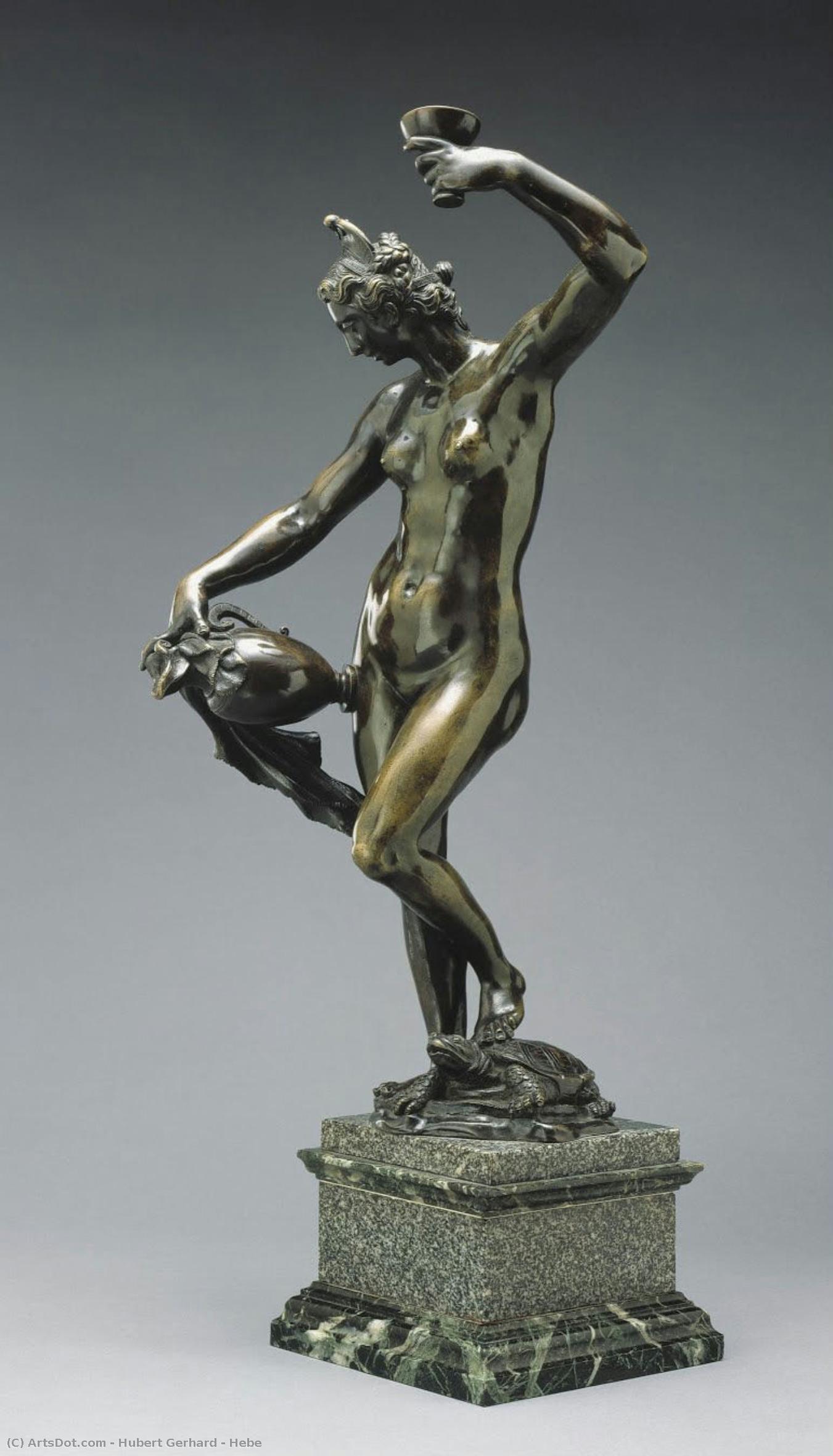
Hebe

Explore the intricate bronze sculptures of Hubert Gerhard, a 16th-century Dutch artist known for his mythological themes & Mannerist style in Augsburg & Munich.

Įsigykite aukštos skiriamosios raiškos, patobulintą skaitmeninį vaizdą, gerokai pranašesnį už internetinę peržiūrą.

Kiekvieną failą mūsų specialistai kruopščiai paruošia naudojant pažangias technologijas ir profesionalų rankinį retušavimą. Užtikriname, kad kiekvienas vaizdas pasižymėtų išskirtiniu aiškumu, tikslia spalvų atspalviu ir smulkiomis detalėmis.

Baigiamas failas el. paštu pristatomas per 72 valandas; jis optimizuotas nedelsiant naudojimui profesionalioje, redakcinėje ir spausdinimo aplinkoje. Tai ta pati kokybė, kuria pasitiki aukščiausios klasės dizaino studijos, leidyklos ir galerijos.

Skaitmeninis vaizdas

Atsisiųskite didelės raiškos failą asmeniniam naudojimui, spausdinimui ir kūrybiniams projektams.

Visų sumos kaina

$9.99

Kiekvieną skaitinio vaizdo užsakymą papildė

Profesionalus skaitmeninis pristatymas, garantuotas

Pasirinkę WahooArt.com, jūs ne tik gaunate paveikslėlį – jūs gaunate profesionaliai patobudintą skaitmeninį kūrinį, sukurtą itin tikniai ir užtikrinantį pasitenkinimą. Štai viską, kas automatiškai pritékia jūsų užsakymui:

shipping_icon
Greitas siuntimas el. paštu

Jūsų aukštos raiškos skaitmeninis vaizdo failas bus išsiųstas jums el. paštu per 72 valaudas nuo užsakymo – paruoštas naudojimui be jokių papildomų veiksmų.

canvas_icon
Skaitmeninis failas su dirbtiniu intelektu

Jūsų meno kūrinys profesionaliai optimizuojamas naudojant pažangius dirbtinio intelekto įrankius ir rankinį redagavimą, užtikrinant maksimalią detalę, aiškumą ir spalvų tikslumą.

insurance_icon
Nemokamas visam laikui pakartotinis siuntimas

Atsitiktinai ištrytikote ar praradote savo failą? Nebijokite – bet kuriuo metu atsiųsime jį jums vėl nemokamai.

tax_icon
Jokio importo mokesčio – niekada

Mėgaukitės savo meno kūriniu akimirka – skaitiniai failai visada yra neapmokestinami, todėl nereikės mokėti muitinės, mokesčių ar pristatymo mokesčių.

color_icon
Spalvų tikslumo garantija

Naudodami profesionalią įrangą ir spalvų valdymo sistemas, užtikriname, kad jūsų skaitmeninis vaizdas kuo tiksliau atspindėtų originalias spalvas.

return_icon
60 dienų pasitenkinimo garantija

Jei nebuvate patenkinti savo skaitinio vaizdo, per 60 dienų jį pertaisysime arba grąkinsime 100% sumą – be jokių klausimų.

guarantee_icon
100% pinigų grąžinimo garantija

Nepat 만족inti? Gaukite visą sumokėtą sumą per 60 dienų nuo skaitmeninio failo gavimo – be jokių papildomų klausimų.

discount_icon
Nuolaidos dideliems užsakymams

Pirkti 3 nuotraukas – pasiūla 10% - Pirkti 5 – pasiūla 15% - Pirkti 10 ir daugiau – pasiūla 20%. Puikiai tinka kūrybiniams projektams, galerijoms bei agentūroms.


Autoriaus biografija

The Bronze Legacy of Hubert Gerhard

In the swirling currents of the late sixteenth century, a period defined by both profound religious upheaval and a vibrant intellectual rebirth, the sculptor Hubert Gerhard emerged as a master of form and metal. Born around 1545 in Den Bosch, Netherlands, Gerhard’s life was shaped by the turbulent winds of the Reformation, yet his artistic spirit found its true north in the sophisticated workshops of Italy. His journey from the Low Countries to the heart of Europe represents more than just a personal migration; it reflects the broader movement of Northern Mannerism, where the technical precision of the North met the dramatic, elongated elegance of the Italian Renaissance.

The defining chapter of Gerhard’s formative years was undoubtedly his time in Florence. There, he entered the orbit of the legendary Giambologna, a master whose influence acted as the cornerstone of Gerhard's sculptural language. Under this tutelage, Gerhard moved beyond mere anatomical representation to embrace the complexities of Mannerist aesthetics. He learned to manipulate bronze not just as a rigid medium, but as a fluid substance capable of capturing psychological tension, spiraling movement, and the delicate play of light across expressive drapery. This training instilled in him a lifelong devotion to the figura serpentinata—the serpentine pose that breathes life and dynamic energy into static metal.

A Career of Patronage and Monumental Vision

As Gerhard’s reputation ascended, so too did the scale of his ambitions. His career was marked by a remarkable ability to secure the favor of Europe's most powerful dynasties, moving between the commercial hubs of Augsburg and the ducal courts of Munich. Around 1580, the legendary Fugger banking family in Augsburg provided the essential patronage that allowed Gerhard to realize some of his most enduring civic contributions. His work on the Augustus Fountain stands as a testament to this era of grandeur. In collaboration with architects, he breathed life into the city's landscape through colossal bronze figures representing the mighty rivers: the Rhine, Danube, Lech, and Isar.

These monumental works were far more than mere decorations; they were profound statements of civic identity and humanistic pride. Through these river gods, Gerhard utilized the language of classical mythology to celebrate the natural abundance and political stability of the region. His mastery of bronze casting allowed him to achieve a level of detail that made the heavy metal appear almost weightless, capturing the muscularity of the deities alongside the subtle ripples of water, effectively bridging the gap between the earthly and the divine.

The Munich Years and Artistic Maturity

In 1584, Gerhard relocated to Munich, a move that would define his later years and cement his status within the Habsburg sphere of influence. Under the patronage of Wilhelm V, Duke of Bavaria, Gerhard found a fertile environment for exploring mythological and allegorical themes. His work in Munich reached a pinnacle of sophistication, characterized by an intimate command over smaller-scale bronzes that possessed as much emotional gravity as his larger public monuments. Works such as Hebe, Venus and Mars with Cupid, and various allegories of Bavarian strength showcase his ability to weave complex narratives into singular, captivating figures.

The significance of Gerhard’s oeuvre lies in its seamless synthesis of diverse cultural currents. He was an artist who could navigate the transition from the intense, often unsettling energy of Mannerism to the more balanced, majestic requirements of late Renaissance classicism. His legacy is etched into the very fabric of European cities, preserved in the enduring luster of his bronze masterpieces. Even centuries later, the works of Hubert Gerhard continue to command respect, serving as a window into an era where sculpture was used to capture the eternal dance between myth, power, and the human soul.

Hubert Gerhard

Hubert Gerhard

1545 - 1620 , Netherlands

Trumpai apie šį kūrėją

  • Artistic Movement Or Style: Mannerist
  • Artists Or Movements Influenced By This Artist: ['Northern Mannerism']
  • Artists Who Influenced This Artist: ['Giambologna']
  • Date Of Birth: ca. 1550
  • Date Of Death: 1620
  • Full Name: Hubert Gerhard
  • Nationality: Dutch
  • Notable Artworks:
    • Augustus Fountain
    • Hebe
    • Venus and Mars with Cupid
  • Place Of Birth: Den Bosch, Netherlands