Autoriaus biografija
Ankstyvieji Metai ir Formavimasis: Kelionė Prancūzijoje
Gimus Marselyje 1808 metais, Honoré-Victorino Daumier’io gyvenimas buvo glaudžiai susietas su XIX amžiaus Prancūzijos audringais srovėmis. Ankstyvieji jo metai, pažymėti tėvo poetiškų siekių ir vėlesniu persikėlimu į Paryžių 1814 metais, panardino jį į miestą, trykštantį menine energija. Nors iš pradžių buvo numatoma teisininko karjera, jaunasis Daumier’is instinktyviai traukėsi link meno. Jis mokėsi pas Alexandre Lenoir, įsisavinęs klasikines įtakas kartu su Rubens dramatiško šviesos ir šešėlio įvertinimu, o vėliau tobulino savo įgūdžius Académie Suisse. Šis pamatinis išsilavinimas buvo lemiamas formuojant jo savitą stilių – galingą realizmo ir ekspresyvaus piešimo derinį. Tačiau Daumier’io meninę tapatybę apibrėžė ne tik techninis meistriškumas, bet ir gilūs jautrumas socialinei neteisybei bei politiniam absurdui, supantį jį aplinkui.
Aštrus Plūmas: Karikatūra Ir Socialinė Komentarija
Daumier’io karjera iš tikrųjų sužydėjo po 1830 metų revoliucijos, įvykio, kuris negrįžtamai pakeitė Prancūzijos istoriją ir vienu metu suteikė derlingą dirvą jo augančiam satyriniam talentui. Jis greitai įsitvirtino kaip meistriškas litografas, iš pradžių anonimiškai prisidėdamas prie įvairių publikacijų, o vėliau išgarsėjo bendradarbiaudamas su *Le Charivari*, energingu komišku žurnalu, įkurtu Charles Philipon. Būtent čia Daumier’io genijus tikrai pražydo. Jo karikatūros nebuvo paprasti juokingi vaizdai; tai buvo griežti buržuazijos, teismų sistemos ir politinės valdžios kaltinimai. Jis drąsiai šaržavo karalių Liudviką Pilypą, pelnęs šešių mėnesių kalėjimo bausmę 1832 metais už ypač ašrią karikatūrą. Ši patirtis, toli gražu neprislėgusi jo dvasios, tik sustiprino jo įsipareigojimą atskleisti hipokriziją ir mesti iššūkį autoritetui per meną. Jo litografijos tapo vizualiniais manifestais, užfiksuodami protesto dvasią ir pateikdami kritinę komentarą apie savo laikmečio visuomenės ydus. Šio periodo gausumas yra stebinantis – tūkstančiai litografijų, tarnavusių tiek kaip populiari pramoga, tiek kaip galingi politiniai pareiškimai.
Už Karikatūros Ribų: Tapybos Ir Skulptūrinių Vizijų Plėtra
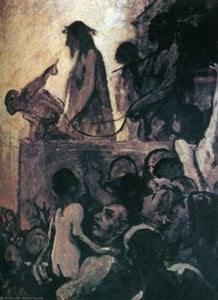
Nors Daumier’is labiausiai garsėja savo litografija, apriboti jį tik karikatūros srities rėmais būtų rimta klaida. Jis taip pat buvo atsidavęs tapytojas ir skulptorius, nors pripažinimas už šiuos darbus pasiekė vėliau gyvenime. Jo paveikslai, dažnai vaizduojantys kasdienio Paryžiaus gyvenimo scenas – trečiojo klasės vagoną, skalbėjas, advokatus – įkviepti gilų realizmo ir empatijos jausmą. Tai neidealizuoti portretai, o atšiaurūs sunkumų ir kovos vaizdai. Jis meistriškai panaudojo laisvą teptuko darbą ir dramatišką apšvietimą perteikti emocijas bei atmosferą, pranašaudamas kai kurias technikas, vėliau perimtas impresionistų. Jo skulptūriniai darbai, didžiąja dalimi sukurti molyje (daugelis kūrinių liko nebaigti jo gyvenimo metu), atskleidžia panašį įsipareigojimą užfiksuoti žmogaus formą sąžiningai ir emociškai giliai. Šios skulptūros, atkurtos po jo mirties, parodo nuostabų modeliavimo talentą ir gebėjimą perteikti psichologinį sudėtingumą per fizinę gestikuliaciją.
Trvankus Palikimas: Įtaka Ir Istorinė Reikšmė
Honoré Daumier’io įtaka meno istorijai yra neabejotina. Jis sujungė romantizmą ir realizmą, praversdamas kelią ateities kartoms menininkų, siekusių atvaizduoti pasaulį tokį, koks jis iš tikrųjų yra – su visais trūkumais. Jo nesuvaržytas socialinis komentaras įkvėpė tokius menininkus kaip Gustave Courbet ir Édouard Manet, o jo novatoriškas litografijos naudojimas sukūrė revoliuciją spaudos meno srityje. Jo darbai tebevilioja šiandien, primindami mums meno galią mesti iššūkį autoritetui, atskleisti neteisybę ir liudyti apie žmogaus būklę. Musée d'Orsay Paryžiuje saugo reikšmingą jo paveikslų ir skulptūrų kolekciją, siūlydamas lankytojams žvilgsnį į pasaulį, kurį jis taip ryškiai atvaizdavo. Jo litografijos yra plačiai prieinamos per tokias kolekcijas kaip WahooArt, užtikrinant, kad jo satyrinis genijus ir toliau provokuos mintis ir skatins dialogą. Daumier’is nebuvo tik menininkas; jis buvo savo laikmečio kronikininkas – vizualinis poetas, panaudojęs savo talentą suteikti balsą bebaliams ir prisiimti atsakomybę už valdžios veiksmus. Jo palikimas išlieka kaip įrodymas meno amžinam aktualumui socialinių pokyčių jėga.



 Peržiūrėti realaus dydžio版
 Perjungti į spausdinimą
 Siųsti
 Dalintis
 Išsamiau
 Gidas
Gidas

 Atsisiųsti
 Panašūs eksponatai
 Rentgeno spindulių nuotrauka
 Diaporama
 Statistika


 Rodyti daugiau






































 Stiklo variantas prieinamas tik pasirinkus dydį iki 110 cm