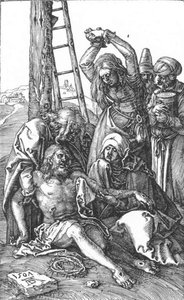
Acrylic On CanvasWallArtNorthern Renaissance
 256.0 x 149.0 cm
 Liuvro muziejus
Rankiniu būdu tapytas aliejus ant droblio jūsų pageidaujamame dydį ir rėmuose – mūsų menininkų darbas pagal užsakymą. ( Pirkti spaudinį Pirkti vaizdą)





























Pasirinkite iš mūsų nustatytų dydžių, atitinkančių originalaus meno kūrinio proporcijas.

Galite įvesti savo matmenis, kad jie atitiktų konkretų rėmą ar erdvę. Jei pasirinktas dydis neatitinka originalaus paveikslėlio proporcijų, mes arba apkropsime meno kūrinį, arba papildysime tapybą rankomis dažytい elementais. Prieš pradėdami gamybą, jūsų patvirtinimui atsiųsime skaitmeninį maketą.
Atkreipkite dėmesį, kad ekrane rodomas vaizdas neatspindi tikrojo apkarpymo ar papildymo. Tik maketas tiksliai parodys galutinę kompoziciją.
Nors galima rinktis ir individualius dydžius, rekomenduojame pasirinkti matmenis iš nustatytos sąrašo, kad būtų išlaikytos originalios proporcijos.
Pristatymas visame pasaulyje () per 3–4 savaites, o ne įprastai – per 5 savaites. (7 rugsėjis). Kokybė lieka nepakeičiama.


Death and the Miser
Reprodukcijos matmenys
Hieronymus Bosch’s “Death and the Miser,” completed sometime between 1490 and 1516, isn't merely a depiction of mortality; it’s a meticulously crafted allegory designed to unsettle viewers and provoke contemplation on earthly desires versus spiritual salvation. This haunting masterpiece resides in the National Gallery of Art in Washington D.C., where its enigmatic symbolism continues to fascinate scholars and inspire artists alike.
The painting’s enduring power lies in its ability to transcend time and culture, prompting viewers to grapple with fundamental questions about human nature and the afterlife. Bosch's masterful rendering captures not just a scene but an entire worldview—a chilling reminder that true fulfillment resides beyond the fleeting pleasures of this world.
Bosch’s technique involved painstaking drawing with pen or ink on paper, utilizing hatching and crosshatching to achieve remarkable textural detail. The careful layering of lines creates a palpable sense of depth and contributes significantly to the painting's unsettling realism despite its fantastical subject matter.
“Death and the Miser” stands as one exemplar of Bosch’s broader artistic vision—a testament to his ability to fuse religious allegory with psychological insight. It shares stylistic similarities with other iconic works like “The Garden of Earthly Delights,” demonstrating Bosch's consistent exploration of moral themes and his masterful manipulation of visual language.
Despite being created centuries ago, "Death and the Miser" continues to resonate powerfully today. Its depiction of avarice and its confrontation with mortality speaks to universal anxieties about existence and offers a timeless meditation on the importance of spiritual contemplation—a message that remains strikingly relevant in our increasingly materialistic society.


1450 - 1516 , Nyderlandai

Explore the dramatic evolution of Northern Mannerism. Discover how masters like Bosch and Grünewald transitioned from Renaissance harmony to profound, elegant distortion through an expert analysis of symbolism, emotional intensity, and artistic innovation.

Embark on a visual journey through Early Medieval art. Explore the profound beauty of illuminated manuscripts, sacred symbols, and golden light through an expert historical lens, celebrating the enduring legacy of medieval craftsmanship and divine artistry.

Explore the profound symbolism of Vanitas art. From Dutch Golden Age masterpieces to the haunting beauty of Memento Mori, uncover how classical painters used skulls and hourglasses to reflect on life's transience through expert art history analysis.

Embark on a scholarly journey through the sacred beauty of High Medieval art. Discover the profound symbolism, luminous iconography, and spiritual depth of Gothic masterpieces in this expert guide for classical art enthusiasts.

 Peržiūrėti realybėje
 Pasidalinti
 Dalintis
 Išsamiau

 Atsisiųsti
 Panašūs eksponatai
 Rentgeno nuotrauka
 Automatinė diorama
 Skaityti daugiau







 Stiklo variantas prieinamas tik pasirinkus dydį iki 110 cm