Peržiūrėti realybėjePeržiūrėti realybėje Peržiūrėti ARPeržiūrėti AR Switch to Print Switch to PrintPirkti rankomis tapytą paveikslą Pirkti rankomis tapytą paveikslą PasidalintiPasidalinti
IšsamiauIšsamiau Pridėti į mėgstamiausius Pridėti į mėgstamiausius AtsisiųstiAtsisiųsti Panašūs eksponataiPanašūs eksponatai Rentgeno nuotraukaRentgeno nuotrauka Automatinė dioramaAutomatinė diorama StatsStats

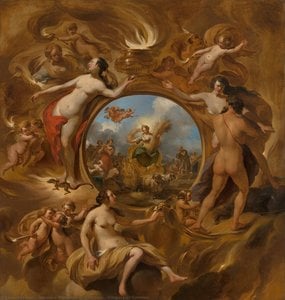
The Dodo and Given

  • Sukūrimo data1905
  • Matmenys89.0 x 109.0 cm

Explore the evocative landscapes & maritime scenes of Henrik Grönvold (1858-1940), a prominent WahooArt painter known for his atmospheric Nordic style and detailed depictions of nature.

Įsigykite aukštos skiriamosios raiškos, patobulintą skaitmeninį vaizdą, gerokai pranašesnį už internetinę peržiūrą.

Kiekvieną failą mūsų specialistai kruopščiai paruošia naudojant pažangias technologijas ir profesionalų rankinį retušavimą. Užtikriname, kad kiekvienas vaizdas pasižymėtų išskirtiniu aiškumu, tikslia spalvų atspalviu ir smulkiomis detalėmis.

Baigiamas failas el. paštu pristatomas per 72 valandas; jis optimizuotas nedelsiant naudojimui profesionalioje, redakcinėje ir spausdinimo aplinkoje. Tai ta pati kokybė, kuria pasitiki aukščiausios klasės dizaino studijos, leidyklos ir galerijos.

Skaitmeninis vaizdas

Atsisiųskite didelės raiškos failą asmeniniam naudojimui, spausdinimui ir kūrybiniams projektams. (Switch to Print Switch to PrintPirkti rankomis tapytą paveikslą Pirkti rankomis tapytą paveikslą)

Visų sumos kaina

$ 24,90

Kiekvieną skaitinio vaizdo užsakymą papildė

Profesionalus skaitmeninis pristatymas, garantuotas

Pasirinkę WahooArt.com, jūs ne tik gaunate paveikslėlį – jūs gaunate profesionaliai patobudintą skaitmeninį kūrinį, sukurtą itin tikniai ir užtikrinantį pasitenkinimą. Štai viską, kas automatiškai pritékia jūsų užsakymui:

shipping_icon
Greitas siuntimas el. paštu

Jūsų aukštos raiškos skaitmeninis vaizdo failas bus išsiųstas jums el. paštu per 72 valaudas nuo užsakymo – paruoštas naudojimui be jokių papildomų veiksmų.

canvas_icon
Skaitmeninis failas su dirbtiniu intelektu

Jūsų meno kūrinys profesionaliai optimizuojamas naudojant pažangius dirbtinio intelekto įrankius ir rankinį redagavimą, užtikrinant maksimalią detalę, aiškumą ir spalvų tikslumą.

insurance_icon
Nemokamas visam laikui pakartotinis siuntimas

Atsitiktinai ištrytikote ar praradote savo failą? Nebijokite – bet kuriuo metu atsiųsime jį jums vėl nemokamai.

tax_icon
Jokio importo mokesčio – niekada

Mėgaukitės savo meno kūriniu akimirka – skaitiniai failai visada yra neapmokestinami, todėl nereikės mokėti muitinės, mokesčių ar pristatymo mokesčių.

color_icon
Spalvų tikslumo garantija

Naudodami profesionalią įrangą ir spalvų valdymo sistemas, užtikriname, kad jūsų skaitmeninis vaizdas kuo tiksliau atspindėtų originalias spalvas.

return_icon
100 dienų patikimumo garantija

Jei nebuvosite patenkinti savo skaitmeniniu vaizdu, mes jį peržiūrėsime arba grąžinsime 100% sumą per 100 dienų – be jokių klausimų.

guarantee_icon
100% pinigų grąžinimo garantija

Nesitenkinate? Gaukite visą sumokėtą sumą per 100 dienų nuo skaitmeninio failo gavimo – be jokių papildomų klausimų.

discount_icon
Nuolaidos dideliems užsakymams

Pirkti 3 nuotraukas – pasiūla 10% - Pirkti 5 – pasiūla 15% - Pirkti 10 ir daugiau – pasiūla 20%. Puikiai tinka kūrybiniams projektams, galerijoms bei agentūroms.

The Henrik Grönvold painting, The Dodo and Given, is a remarkable work of art that showcases the artist's skill in capturing the essence of birds in their natural habitat. Created in 1905, this oil on canvas piece measures 89 x 109 cm and is currently housed at the Smithsonian American Art Museum in Washington D.C.

Artistic Style and Composition

The painting features a dodo bird as the main subject, surrounded by other birds in a natural setting. The composition of the piece is well-balanced, with the dodo bird positioned prominently in the center. The artist's use of color and light creates a sense of depth and dimensionality, drawing the viewer into the scene. Key Features of the painting include:
  • The detailed depiction of the dodo bird and its surroundings
  • The use of warm colors to create a sense of comfort and tranquility
  • The balance and harmony achieved through the composition of the piece

Artist and Museum Information

Henrik Grönvold was a British artist known for his work in painting and illustration. The Smithsonian American Art Museum is home to a diverse collection of American art, including works by artists such as George De Forest Brush and Abbott Handerson Thayer. For more information on these artists and their work, visit https://WahooArt.com. BR To learn more about the Smithsonian American Art Museum and its collection, visit /art/list/?Filter=AQTT9Z-Henrik-Gronvold-The-Dodo-and-Given. For information on other artists and their work, including Claude Buck and Edmund William Greacen, visit /en/art/list/

Autoriaus biografija

The Naturalist’s Eye: The Life and Legacy of Henrik Grønvold

In the grand tapestry of late nineteenth-century art, few figures possess the dual mastery of scientific precision and poetic sensibility found in Henrik Grø.nvold. Born in Præstø, Denmark, in 1858, Grønvold was a man whose soul was inextricably bound to the rhythms of the natural world. While many of his contemporaries sought the abstract or the purely emotive, Grønvold found his muse in the delicate plumage of a songbird and the shifting light over a Nordic fjord. His life was a continuous dialogue with nature, a pursuit that saw him transition from a student of machine drawing in Copenhagen to one of the most respected natural history illustrators of his era.

Grønvold’s artistic journey was shaped by a rigorous academic foundation and an insatiable curiosity. After honing his technical skills at the Copenhagen Technical College, he sought further refinement at the Königliche Kunstakademie Düsseldorf. It was here, under the guidance of the master Wilhelm Leibl, that Grønvold encountered the nuances of German Impressionism. This pivotal influence infused his work with a luminous quality, teaching him to use color not merely as a descriptive tool, but as a means to capture the very atmosphere of the Scandinavian landscape. His technique became a sophisticated blend of meticulous anatomical accuracy and a loose, expressive brushwork that breathed life into every subject he touched.

A Symphony of Science and Art

What truly distinguishes Grønvold from the traditional landscape painters of his time was his profound ornithological obsession. He did not merely observe birds; he studied them with the intensity of a scientist and the reverence of a devotee. This passion led him on extensive expeditions across Denmark, Norway, and Sweden, where he painstakingly documented avian life in its most authentic habitats. His work as an illustrator for the Biological Research Station of Copenhagen and his later tenure at the Natural History Museum in London allowed him to merge the worlds of taxidermy, anatomy, and fine art. He was among the final generation of natural history illustrators to master the delicate art of lithography, ensuring that his scientific contributions were as visually breathtaking as they were biologically accurate.

His oeuvre is a testament to this duality, ranging from sweeping oil paintings to intimate watercolor studies:

  • The Maritime Spirit: In works such as “The Herring Boats” (1893), Grønvold captures the rugged vitality of Danish coastal life, using thick impasto strokes to convey the texture of the sea and the industrious energy of the fishing fleets.
  • Ornithological Precision: His watercolor illustrations, such as his 1921 depictions of ducks in wetland environments, showcase a mastery of soft lighting and naturalistic detail that remains captivating over a century later.
  • Atmospheric Landscapes: Through pieces like “Winter Landscape” (1906), he demonstrates an ability to evoke the profound tranquility and biting chill of the Nordic winter, utilizing a palette that reflects the subtle shifts of northern light.

Historical Significance and Enduring Impression

As the twentieth century dawned, Grønvold’s work stood at a unique crossroads between the era of classical naturalism and the rising tide of modernism. While his commitment to scientific truth remained steadfast, his ability to embrace the light-filled aesthetics of Post-Impressionism allowed his art to remain relevant in a changing artistic landscape. He lived through a period of immense transition, yet he remained anchored by his devotion to the organic world. Even when his travels took him far from his Danish roots—including a significant period in London where he worked alongside renowned naturalists—his heart remained tethered to the landscapes of Scandinavia.

Today, the legacy of Henrik Grønvold resides in the quiet beauty of his subjects and the enduring accuracy of his observations. He remains a singular figure who proved that the line between the scientist’s ledger and the artist’s canvas is beautifully thin. To look upon a Grønvold painting is to experience a moment of profound stillness, an invitation to witness the intricate, often overlooked wonders of the natural world through the eyes of a true master of light and life.

henrik grönvold

henrik grönvold

1858 - 1940

Trumpai apie šį kūrėją

  • Artistic Movement Or Style: Nordic Art
  • Artists Or Movements Influenced By This Artist: ['Romanticism']
  • Artists Who Influenced This Artist: ['Gustav Vigeland']
  • Date Of Birth: September 6, 1858
  • Date Of Death: March 23, 1940
  • Full Name: Henrik Grønvold
  • Nationality: Danish
  • Notable Artworks:
    • Coastal Scenes
    • Maritime Art
  • Place Of Birth: Denmark