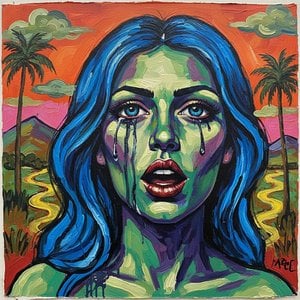
Henri Matisse: Spalvos ir Formos Magas
Henris Emilis Benua Matisas, gimęs 1869 m. gruodžio 31 d., nedideliame Šiaurės Prancūzijos miestelyje Le Kato Kambrezi, nebuvo skirtas gyventi spalvų ir formų pasaulyje. Iš pradžių Paryžiuje studijavęs teisę po vidurinės mokyklos baigimo, jo kelias dramatiškai pasikeitė 1889 m., kai jį ištiko apenficito priepuolis. Atsigavimo metu jis atrado savyje glūdintį talentą, kurį pažadino paprastas tapybos užsiėmimas menininkų dovanotais reikmenimis. Tai nebuvo tik laisvalaikio praleidimo būdas; tai buvo apreiškimasis – lūžis, kuris atitraukė jį nuo teisinių dokumentų ir nukreipė į pasaulį, kuriame spalva taptų jo kalba, o drobė – domeniu. Augęs Bohain-en-Vermandois miestelyje, grūdų prekybos verslą vykstančios šeimos sūnus, Matisas iš pradžių atrodė netinkamas bohemiškam menininko gyvenimui, tačiau siela jau buvo pasėti, maitinama atsigavimo ir subrandinti į visą gyvenimą trukusį dedikavimą. Jis įstojo į Žiuljano akademiją, vėliau – Nacionalinę Gražiųjų Menų mokyklą, kur studijavo pas William-Adolphe Bouguereau ir Gustave Moreau atitinkamai, įsisavinęs klasikinę techniką, kuri tarnaus kaip pamatas jo būsimoms inovacijoms. Ankstyvieji darbai atspindėjo šią akademines mokyklas, rodė kompetenciją, tačiau trūko to skiriamojo balso, kuris netrukus apibrėš jį.
Fovizmo Aušra ir Drąsūs Eksperimentai
Esminis momentas įvyko 1896 m., kai jis apsilankė Belle Île su australų dailininku John Russell. Šis susitikimas pasirodė esantis transformuojantis. Russell pristatė Matisą į žybiantį Impresionizmo pasaulį, o svarbiausia – į Vincento van Gogo emocingas drobeles. Poveikis buvo gilus. Van Gogo ekspresyvus spalvų vartojimas sugriovė Matiso anksčiau santūrią paletę, skatindamas jį link drąsesnės, subjektyvesnės prieigos. Jis pradėjo atsiriboti nuo žemės tonų, priimdami spalvas, kurios rezonuoja su jausmais, o ne griežtu atvaizdavimu. Ši ekspedicija baigėsi Fovizmo atradimu apie 1905 metus – judėjimu, kuriame Matisas tapo pagrindiniu veikėju. Pats pavadinimas, reikšdamas „laukinę bestiją“, iš pradžių buvo nepagarbūs, suteiktas kritikų grupei dėl šokingly ryškių ir nerealistiškų paveikslų, eksponuotų Salon d'Automne parodoje.
Matisas, kartu su tokiais dailininkais kaip André Derain ir Maurice de Vlaminck, gynė intensyvią spalvą kaip nepriklausomą ekspresijos elementą, supaprastindamas formas, kad sustiprintų jos poveikį. Tokie paveikslai kaip
The Gourds (1905) puikiai iliustruoja šį stilių – raudonojo, žalio ir geltono atspalvių karuselė, taikyta su laisve, kuri ignoravo tradicinę perspektyvą ir imituojančią tikslumą. Pagrindinės savybės buvo intensyviai prisotintos paletės, supaprastintos formos, ekspresyvūs dažymo bruožai ir sąmoningas atsisakymas nuo įprasto atvaizdo, siekiant emocinio atgarsio.
Subtilybė ir Dekoratyvinė Harmoningumas
Po Fovizmo pirmųjų aistrų, Matiso stilius patyrė subtilų, tačiau reikšmingą evoliuciją. Nors niekada neatsisakė savo meilės spalvai, jo darbai tapo rafinuotesni, linkę į dekoratyvinę estetiką, kuri pabrėžia plokščias formas ir sudėtingus modelius. Jis tyrė atostogų, namų šeimos ir žmogaus figūros temas ramiose aplinkose, sukurdamas kompozicijas, kurios buvo tiek harmoningos, tiek emocingai rezonuojančios. 1917 m. persikėlęs į Nice'ą Prancūzijos Rivjeroje dar labiau paveikė šį poslinkį, suteikdamas savo darbams ramybės ir klasikinio balanso jausmą. Jis pradėjo koncentruotis kuriant aplinkas – dažytas drobeles, skulptūras ir dekoratyvius daiktus – kurie apgaubia žiūrovą grožio ir ramybės atmosfera. Šiuo laikotarpiu jis eksperimentavo su įvairiomis terpėmis, įskaitant keramiką ir tekstilę, išplėsdamas savo meninę viziją už tradicinio drobės paviršiaus. Jis nevaizdavo scenų; jis statydavo pasačius, sukurtus norint sukelti tam tikrą emocinį atsakymą.
Vėlesni Metai: Inovacija Ribojant
Vyresniais metais, kai prasta sveikata apribojo Matiso gebėjimą dažyti įprastu būdu, jis pradėjo neeilinę savo meninės kelionės dalį – iškirptų popieriaus koliažų, arba *découpages*, kūrimą. Pradėjęs apie 1947 metus, šie darbai gimė dėl būtinybės. Būdamas apglębtas vežimėliu, jis fiziškai nebegalėjo stovėti ir dažyti, bet galėjo vis tiek manipuliuoti popieriumi žirklėmis. Tai, kas prasidėjo kaip praktinis sprendimas, išaugo į naują meno techniką. Jis dažydavo didelius popieriaus lapus ryškiomis spalvomis, tada išpjaudavo formas – organines formas, lapus, figūras – ir sudėdavo jas ant drobės, sukurdami kompozicijas, kurios buvo tiek dinamiškos, tiek apgaulingai paprastos. Šie *découpages* nebuvo tik tapybos pakaitalas; jie atstovojo nauju būdu mąstyti apie spalvą, formą ir kompoziciją. Jie tęsė jo visą gyvenimą trukusį šių elementų tyrinėjimą, parodydami nuolatinę meninę viziją net veido fiziniam apribojimui.
- Iškirptų popieriaus technika jis galėjo pasiekti formos ir spalvos grynumo, kurį buvo sunku pasiekti su dažais.
- Šiuose darbuose dažnai atsispindėdavo ankstesnės temos ir motyvai iš jo paveikslų, bet jie buvo pateikti nauju ir inovatyviu būdu.
- Jie parodė jo gebėjimą prisitaikyti ir tobulėti kaip menininkas per visą savo karjerą.
Pavelės Palikimas: Matiso Poveikis Moderniam Menui
Henris Matisas mirė Nice 1954 m., palikęs kūrinių rinkinį, kuris ir toliau įkvepia ir žavina publikas visame pasaulyje. Jo poveikis meno pasauliui neigiamas; jis iššūkavo tradiciniams atvaizdo sąvokoms, gynė spalvos ekspresyvią galią ir pavedė kelią ateinančioms menininkų kartoms. Dažnai laikomas kartu su Pablu Pikasu kaip vienas reikšmingiausių 20-ojo amžiaus meno figūrų, Matisas fundamentaliai formavo modernizmą. Jo palikimas eina už jo darbais – tai apima filosofiją, šlovinančią džiaugsmą, grožį ir spalvos transformuojančiojo potencialo. Jis nevaizdavo to,



 Peržiūrėti realaus dydžio版
 Perjungti į spausdinimą
 Siųsti
 Dalintis
 Išsamiau
 Gidas
Gidas

 Atsisiųsti
 Panašūs eksponatai
 Rentgeno spindulių nuotrauka
 Diaporama
 Statistika
 Rodyti daugiau






































 Stiklo variantas prieinamas tik pasirinkus dydį iki 110 cm