Hans Holbeino jaunčiojo: Detalėmis išgraviruotas gyvenimas
Apie 1497 metus gimęs Augsburgo, Vokietijos, menų centre Hansas Holbeinas jaunesnysis tapo Šiaurės Renesanso pavyzdžiu – portretistas, kurio kūriniuose iki šiol galima pajusti kvėpiantį realizmą ir psichologinę gylį. Jo vaikystė meniškoje šeimoje padėjo pagrindus išskirtiniam talentui; jo tėvas, Hansas Holbeinas vyresnysis, buvo gerbiamas dailininkas ir graviūristas, kuris jaunajam Hansui įskiepijo kruopštų stebėjimo ir technikos požiūrį. Šis ankstyvasis mokymas nebuvo tik apie teptukų meistriškumą ar pigmentų maišymą – tai buvo apie gebėjimą *matyti*, užčiuopti ne tik panašumą, bet ir subjekto esmę. Holbeino pirmieji meniniai bandymai vyko jo tėvo dirbtuvėje, kur jis tobulino savo įgūdžius prieš imdamas kelionės kelią, nutolstantį per Šveicariją ir galiausiai į Anglijos dvarą.
Nuo Bazelio iki Tiudorų Dvaro: Keliantis Žvaigždė
Baigęs mokymąsi, Holbeinas daug keliavo po Šveicariją, įsitvirtindamas kaip nepriklausomas menininkas su augančia reputacija. Kelias metais jis gyveno Bazelyje, kur kūrė ne tik puikius portretus, bet ir religinius darbus bei sudėtingus medžio išfrezuotų iliustracijų dizainus – ypač įsimenamus siaubiančius „Mirties šokio“ ciklus. Šie ankstyvieji kūriniai atskleidžia buršančią kompozicijos meistriškumą ir besivystantį susidomėjimą žmogaus emocijų sudėtingumu. Būtent 1526 metais likimas įvykdė savo darbą, nukreipdamas Holbeiną į Angliją – įvykis, kuris negrįžtamai pakeis jo meninę trajektoriją. Jis atvyko turėdamas rekomendacinį laišką nuo žinomo humanisto Erasmo Roterdamiečio, kas atvėrė duris į įtakingus Anglijos visuomenės sluoksnius. Jo talentas greitai sužavėjo tokias reikšmingas figūras kaip Sir Thomas More'as, kuris tapo ne tik globėju, bet ir kelių įtikinamų portretų subjektu. Šis ryšys pasirodė esantis kertinis akmuonis, pavedęs Holbeiną tapti karaliaus Henriko VIII dvaro dailininku – pozicija, kurią jis užėmė iki ankstyvos mirties 1543 metais.
Supratimo menas: Stilius ir Šedevrai
Holbeino meno stiliui būdinga išskirtinė atsidavimo realizmui tendencija, pasiekta kruopščiai dėmesingais tekstūrų, audinių ir veido bruožų subtilių niuansų atvaizdavimais. Jis ne tik *piešė* portretus; jis juos atidžiai konstruodavo, sluoksniais uždėdamos, kad sugautų ne tik fizinį panašumą, bet ir savo subjektų asmenybę bei vidinį gyvenimą. Jo novatoriškos kompozicijos dar labiau sustiprino jo darbų poveikį, dažnai naudodamas simbolinius objektus ar fonus, norėdamas perteikti gilesnę prasmę.
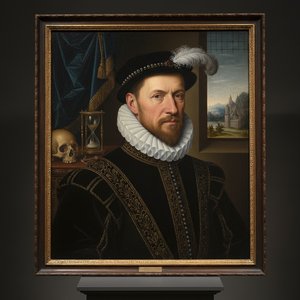
„Ambasadoriai“ (1533) yra liudijimas šiam požiūriui – sudėtingas ir simboliniu turiniu kupinas dvigubas portretas, kuriame atsiskleidžia Holbeino techninis meistriškumas ir intelektualus gylis. Anamorfiniame kaukolio įterpime paveikslėlyje slypi šlykšti *memento mori*, primenantis mirties neišvengiamumą žiūrovams. Jo daugybė Henriko VIII portretų sukūrė ilgalaikį karališkosios valdžios vaizdą, o Erasmo Roterdamiečio atvaizdas užfiksavo mokslininko gilią intelektualią rimtį. Kiti reikšmingi darbai yra nuostabus *Nikolaus Kratzerio portretas* (1528), realizmo ir mokslo detalių meistriškumas.
Palikimas ir Įtaka: Ilgai Trūkstantis Įspūdis
Holbeino meninė kelionė buvo formavusi įtakingų veiksnių konvergencija, derindama vokiškų meno tradicijų tikslumą su Italijos Renesanso kompozicinių principų. Jis gerbė Albrecht Dürerio ir kitų Vokietijos meistrų darbus, o keliaudamas taip pat studijavo italų meną, įsisavindamas jų technikas ir integruodamas jas į savo unikalų stilių. Jo palikimas yra gilus; Holbeino portretai nustatė naują realizmo ir psichologinės perspektyvos kartelę portretuose, paveikdamos daugybės jam paskui sekusių menininkų. Jo Tiudorų periodo pagrindinių figūrų atvaizdai suteikia neįkainojamą įžvalgą apie tuometinio Anglijos istorijos formavimąsi.
Jis ne tik užfiksavo išorės panašumą – jis sugavo laiką, išsaugojo jį palikuonims. Jo darbai yra stiprus liudijimas meno galiai dokumentuoti, interpretuoti ir apšviesti praeitį.
Paskutinis Teptuko Brūkštelėjimas: Istorinė reikšmė
Hansas Holbeinas jaunesnysis mirė Londone 1543 metais, palikęs kūrinių rinkinį, kuris iki šiol žavi publiką per amžius. Jo portretai yra ne tik gražūs vaizdai; tai istorijos dokumentai, suteikiantys įžvalgų apie Tiudorų epochos politinius susipynimus, religinius sukrėtimus ir kultūrinius pokyčius.
- Jo Henriko VIII atvaizdai tapo ikoniniu karališkosios valdžios pavyzdžiu.
- Portretavimas suteikia langą į tokių humanistų kaip Erasmas ir More'as gyvenimus.
- Simbolio naudojimas darbuose prideda reikšmių sluoksnių, kviečiant žiūrovus apmąstyti gilesnes temas.
Holbeino menas pranoksta tiesiog techninį meistriškumą; tai intelektinio smalsumo įsikūnijimas, meninis naujumas ir gilus supratimas žmogaus būklės. Jis tebėra vienas gerbiamiausių ir dažniausiai studijuojamų Renesanso dailininkų – meistras, kurio palikimas ir toliau įkvepia ir žavina.



 Peržiūrėti realybėje
 Perejti prie spausdinimo
 Pasidalinti
 Dalintis
 Išsamiau

 Atsisiųsti
 Panašūs eksponatai
 Rentgeno nuotrauka
 Automatinė diorama
 Statistika

 Skaityti daugiau






































 Stiklo variantas prieinamas tik pasirinkus dydį iki 110 cm




![Jean de Dinteville ir Georges de Selve dvipuotis (žinomas kaip „Elche ambasadoriai“) [detalė]](/media/artworks/images-thumb/bb/ab/bbab7ce77b7dd15d23d21114a63b51a4.jpg)

![Jean de Dinteville ir Georges de Selve dvigubas portretas (žinomas kaip „Ambassadoriai“) [detalė]](/media/artworks/images-thumb/42/81/42813dc49b2f72bce897aaf8b747ad5b.jpg)


