


Muziejų lygio „giclée“ arba drobos spausdinimas: greita gamyba ir lankstios apdailos parinktys. ( Pirkti rankomis tapytą paveikslą Pirkti vaizdą)





























Pasirinkite iš mūsų nustatytų dydžių, atitinkančių originalaus meno kūrinio proporcijas.

Galite nurodyti savo matmenis, kad vaizdas atitiktų konkretų rėmą ar erdvę. Jei pasirinktas dydis nesutaps su originalaus paveikslėlio proporcijomis, mes arba apkirpsime kūrinį, arba išplėsime vaizdą naudojant veideliu atspindėtą arba vientisą šoną. Skaitmeninis maketas bus išsiųstas jums patvirtinti prieš pradedant gamybą.
Atkreipkite dėmesį, kad ekrane matomas vaizdinys neatspindi tikrojo apkirpimo ar išplėtimo. Tik maketas tiksliai parodytų galutinę kompoziciją.
Nors galima rinktis ir individualius dydžius, rekomenduojame pasirinkti vieną iš išanksti nustatytų matmenų, kad būtų išlaikytos originalios proporcijos.
Pristatymas visame pasaulyje () per 2 weeks, o ne įprastas 4/5 savaičių laikotarpis. (7 rugsėjis)


Henry howard
Reprodukcijos matmenys
This captivating portrait by Hans Holbein the Younger (c. 1497 – 1543) offers a compelling glimpse into the world of Renaissance England and its powerful figures. The subject, identified as Henry Howard, likely a member of the prominent English Howard family, is rendered with an extraordinary level of detail and psychological insight characteristic of Holbein’s masterful style.
The portrait presents Henry Howard from the head and shoulders up, a compositional choice frequently employed by Holbein to focus attention on the sitter's face and character. He is dressed in an elegant black robe, richly trimmed with intricate white lace – symbols of his status and wealth. Howard’s direct gaze engages the viewer, creating a sense of intimacy despite his obvious social standing. A neatly maintained beard adds to his dignified appearance, suggesting maturity and wisdom. The tightly focused composition emphasizes the subject's intellectual presence.
Holbein was renowned for his exceptional realism, going beyond mere physical likeness to capture a sense of personality. This portrait exemplifies that skill. He meticulously rendered every detail – from the delicate texture of the lace and subtle gradations in skin tone to the individual hairs of Howard’s beard. This precision was achieved through layering translucent glazes of oil paint over a carefully prepared panel, creating an image that feels remarkably lifelike even centuries later. His technique wasn't simply about replication; it was about revelation.
Hans Holbein the Younger spent significant time in England, serving as a court painter to King Henry VIII. This position placed him at the center of English society and made him highly sought-after for his portraiture. The Howard family were key figures within the Tudor court, frequently holding positions of power and influence. Therefore, this portrait likely served not only as a record of Henry Howard’s appearance but also as a statement of his social standing and political connections. Holbein's portraits from this period are invaluable historical documents, providing insights into the fashion, customs, and personalities of the era.
The portrait evokes a sense of quiet authority and intellectual depth. Howard’s gaze is both penetrating and reserved, suggesting a man accustomed to power but perhaps burdened by responsibility. The dark color palette contributes to the painting's somber mood, while the luxurious fabrics hint at wealth and privilege. Holbein often embedded subtle symbolism within his portraits; further research into Henry Howard’s life might reveal hidden meanings within this composition – perhaps allusions to his political allegiances or personal beliefs.
The overall impression is one of dignified restraint. Howard doesn't offer a warm smile or an inviting gesture; instead, he presents himself with a controlled composure that speaks to his position and the expectations placed upon him. The painting invites contemplation – prompting viewers to consider the complexities of power, ambition, and the weight of responsibility in Tudor England.
To best preserve the painting's integrity, display it away from direct sunlight and fluctuating temperatures. Consider museum-quality lighting to highlight its details without causing damage.
Currently housed at the Musée Thomas-Henry in Cherbourg, Normandy, this portrait stands as a testament to Holbein’s enduring legacy. Further research into Henry Howard and the Holbein family can be found through resources like Wikipedia and art databases such as this database of Holbein's work.


1497 - 1543 , Vokietija

Discover the profound allure of oil on canvas. Explore the mastery of impasto textures, the science of pigment longevity, and expert guides to selecting museum-quality reproductions that elevate your collection with timeless elegance and tactile depth.

Discover the enduring allure of oil on canvas. Explore how master techniques like impasto and glazing create the depth, texture, and emotional resonance found in the world's greatest masterpieces. An essential guide for fine art enthusiasts and discerning collectors.

Discover the enduring allure of hand-painted oil reproductions. WahooArt offers museum-quality, archival masterpieces designed for discerning collectors seeking timeless beauty and a lasting legacy. Invest in fine art that transcends generations with our expert craftsmanship.
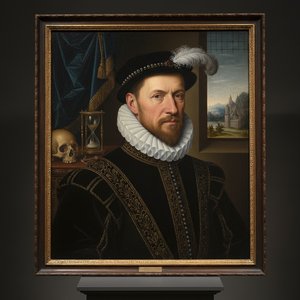
Explore the breathtaking precision of Hans Holbein the Younger. From Tudor royal portraits to intricate Northern Renaissance details, discover the mastery behind his legendary works and learn how to bring this historical grandeur into your collection with museum-quality reproductions.
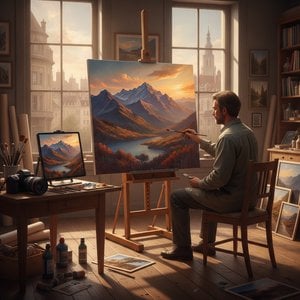
Discover the exquisite journey of transforming digital photography into bespoke oil masterpieces. Experience unparalleled craftsmanship with hand-painted reproductions that bridge modern memories and timeless fine art excellence.

 Peržiūrėti realybėje
 Pasidalinti
 Dalintis
 Išsamiau

 Atsisiųsti
 Panašūs eksponatai
 Rentgeno nuotrauka
 Automatinė diorama

 Skaityti daugiau







 Stiklo variantas prieinamas tik pasirinkus dydį iki 110 cm


![Jean de Dinteville ir Georges de Selve dvipuotis (žinomas kaip „Elche ambasadoriai“) [detalė]](/media/artworks/images-thumb/bb/ab/bbab7ce77b7dd15d23d21114a63b51a4.jpg)

![Jean de Dinteville ir Georges de Selve dvigubas portretas (žinomas kaip „Ambassadoriai“) [detalė]](/media/artworks/images-thumb/42/81/42813dc49b2f72bce897aaf8b747ad5b.jpg)


