


Muziejų lygio „giclée“ arba drobos spausdinimas: greita gamyba ir lankstios apdailos parinktys. ( Pirkti rankomis tapytą paveikslą Pirkti vaizdą)





























Pasirinkite iš mūsų nustatytų dydžių, atitinkančių originalaus meno kūrinio proporcijas.

Galite nurodyti savo matmenis, kad vaizdas atitiktų konkretų rėmą ar erdvę. Jei pasirinktas dydis nesutaps su originalaus paveikslėlio proporcijomis, mes arba apkirpsime kūrinį, arba išplėsime vaizdą naudojant veideliu atspindėtą arba vientisą šoną. Skaitmeninis maketas bus išsiųstas jums patvirtinti prieš pradedant gamybą.
Atkreipkite dėmesį, kad ekrane matomas vaizdinys neatspindi tikrojo apkirpimo ar išplėtimo. Tik maketas tiksliai parodytų galutinę kompoziciją.
Nors galima rinktis ir individualius dydžius, rekomenduojame pasirinkti vieną iš išanksti nustatytų matmenų, kad būtų išlaikytos originalios proporcijos.
Pristatymas visame pasaulyje () per 2 weeks, o ne įprastas 4/5 savaičių laikotarpis. (6 rugsėjis)


Sleep
Reprodukcijos matmenys
Gustave Courbet’s “Sleep,” completed in 1866, stands as a cornerstone of Realism—a movement that vehemently rejected Romantic idealism and championed an unflinching portrayal of the observable world. More than just a depiction of two women resting peacefully together, this painting embodies Courbet's profound conviction that art should reflect the realities of everyday life, challenging the conventions of its era.
Painted during a period marked by social unrest and artistic experimentation, “Sleep” reflects Courbet’s engagement with contemporary debates surrounding artistic freedom and societal representation. While acknowledging influences from Romantic artists like Delacroix and Géricault—particularly in their dramatic use of light and color—Courbet decisively distanced himself from Romantic sentimentality. He sought to depict the human condition without embellishment, mirroring the spirit of the burgeoning Realist movement.
"Sleep" transcends mere visual representation; it speaks to themes of vulnerability, intimacy, and the quiet beauty of domestic life. The positioning of the women—one leaning against the other—suggests a connection rooted in mutual comfort and support. Courbet’s masterful rendering captures not just physical repose but also an emotional stillness that invites contemplation. It's a painting that reminds us to appreciate the simple pleasures of existence and to find solace in moments of quiet reflection – a testament to Courbet’s enduring legacy as one of art history’s most uncompromising voices.


1819 - 1877 , Prancūzija
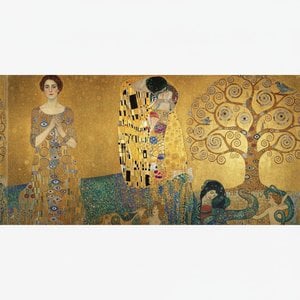
Atraskite 25 įspūdingiausius Gustavo Klimto kūrinius! Išsami analizė, istorijos ir simbolizmas. Įkvėpkite interjerui aukso spalvos paveikslus iš Vienos secesijos laikų. Kokybiškos reprodukcijos – WahooArt.com

Explore 10 defining masterpieces of Romantic Realism! Discover Courbet, Millet & Daumier's powerful paintings—capturing emotion and social realities. Find museum-quality reproductions for your home at WahooArt.com.

Explore the revolutionary art of Gustave Courbet, pioneer of Realism. Discover his iconic paintings, social commentary, and lasting impact on 19th-century French art history. Expert analysis & insights.

Atraskite 10 legendinių realizmo meno kūrinių! Gustave Courbet, Jean-François Millet ir kiti meistrai – jų istorijos bei įtaka interjerui. Aukštos kokybės reprodukcijos WahooArt.com. Išskirtinis dizainas Jūsų namams! Explore the full collection online.

Explore 10 iconic realism artworks by Courbet, Millet & more! Discover the stories behind these masterpieces of 19th-century painting. Find museum-quality art reproductions and elevate your home decor with WahooArt.com.

 Peržiūrėti realybėje
 Pasidalinti
 Dalintis
 Išsamiau

 Atsisiųsti
 Panašūs eksponatai
 Rentgeno nuotrauka
 Automatinė diorama


 Skaityti daugiau







 Stiklo variantas prieinamas tik pasirinkus dydį iki 110 cm


