


Muziejų lygio „giclée“ arba drobos spausdinimas: greita gamyba ir lankstios apdailos parinktys. ( Pirkti rankomis tapytą paveikslą Pirkti vaizdą)





























Pasirinkite iš mūsų nustatytų dydžių, atitinkančių originalaus meno kūrinio proporcijas.

Galite nurodyti savo matmenis, kad vaizdas atitiktų konkretų rėmą ar erdvę. Jei pasirinktas dydis nesutaps su originalaus paveikslėlio proporcijomis, mes arba apkirpsime kūrinį, arba išplėsime vaizdą naudojant veideliu atspindėtą arba vientisą šoną. Skaitmeninis maketas bus išsiųstas jums patvirtinti prieš pradedant gamybą.
Atkreipkite dėmesį, kad ekrane matomas vaizdinys neatspindi tikrojo apkirpimo ar išplėtimo. Tik maketas tiksliai parodytų galutinę kompoziciją.
Nors galima rinktis ir individualius dydžius, rekomenduojame pasirinkti vieną iš išanksti nustatytų matmenų, kad būtų išlaikytos originalios proporcijos.
Pristatymas visame pasaulyje () per 2 weeks, o ne įprastas 4/5 savaičių laikotarpis. (7 rugsėjis)


Water Snakes
Reprodukcijos matmenys
Gustav Klimt’s 1904 painting, “Water Snakes,” is more than just a depiction of two women in a bedroom; it’s a meticulously crafted exploration of female intimacy, opulent beauty, and the subtle anxieties simmering beneath a veneer of luxury. Painted during Klimt's "Golden Phase," a period characterized by his increasingly elaborate use of gold leaf and symbolic ornamentation, this work exemplifies the artist’s fascination with the human form and his ability to imbue everyday scenes with profound emotional resonance. The scene unfolds within a richly decorated room, suggesting a private sanctuary—a space both alluring and potentially fraught with unspoken desires.
“Water Snakes” is deeply rooted in Klimt’s exploration of symbolism during his Golden Phase. The recurring motif of snakes, often interpreted as representing sexuality, fertility, and transformation, subtly permeates the composition. Their presence isn't overt; rather, they are suggested through the swirling patterns of gold leaf and the overall sense of contained energy within the room. The bed itself, draped with a rich canopy, symbolizes comfort, rest, and potentially, vulnerability. The vases, strategically placed as decorative elements, could represent offerings or symbols of beauty – further reinforcing the painting’s opulent aesthetic.
Created at the cusp of the 20th century, “Water Snakes” reflects the changing social landscape of Vienna during this period. Klimt’s work engaged with themes of sexuality, gender roles, and the anxieties surrounding modernity – concerns that were increasingly prevalent in artistic circles. The painting's emotional impact is undeniably powerful, evoking a sense of mystery, sensuality, and perhaps even unease. It invites viewers to contemplate the complexities of human relationships and the hidden currents beneath the surface of appearances. This piece stands as a testament to Klimt’s genius, showcasing his ability to create works that are both visually stunning and profoundly thought-provoking.


1862 - 1918 , Austrija

Explore the profound impact of the Vienna Secession movement. Discover how visionaries like Gustav Klimt revolutionized modern art through symbolism, gold leaf, and bold ornamentation in this deep dive into the aesthetic revolution that redefined the visual landscape of Europe.
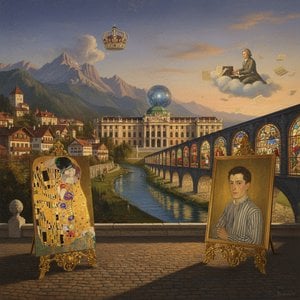
Embark on a sophisticated journey through Austrian art history. Explore the golden brilliance of Gustav Klimt and the elegance of the Vienna Secession through an expert lens, celebrating the enduring soul of Central European masterpieces.

Embark on a sophisticated journey through the splendor of Austrian art. From Gustav Klimt’s golden masterpieces to the elegance of the Viennese Secession, discover the history and symbolism behind Europe's most iconic works for the discerning collector.

Discover the exquisite world of Art Nouveau. Explore the elegant fusion of nature and design through architectural masterpieces, organic forms, and the legendary masters of the Belle Époque. Immerse yourself in a journey of timeless sophistication and ornamental beauty.

 Peržiūrėti realybėje
 Pasidalinti
 Dalintis
 Išsamiau

 Atsisiųsti
 Panašūs eksponatai
 Rentgeno nuotrauka
 Automatinė diorama

 Skaityti daugiau







 Stiklo variantas prieinamas tik pasirinkus dydį iki 110 cm


