

Muziejų lygio „giclée“ arba drobos spausdinimas: greita gamyba ir lankstios apdailos parinktys. ( Pirkti rankų darbo tapybą Perejti prie skaitmeninių vaizdų)





























Pasirinkite iš mūsų nustatytų dydžių, atitinkančių originalaus meno kūrinio proporcijas.

Įveskite jums reikiamą plotį ir aukštį, kad atvaizdas derėtų prie jūsų rėmo ar sienos. Spausdiną galima tik sumažinti, bet nepadidinti virš originalaus paveikslėlio dydžio, todėl keičiant proporcijas, dalis vaizdo prarandama. Prieš spausdinimą atsiųsime jums skaitmeninį maketą patvirtinimui. Šioje puslapio nuotraukoje matomas pjūvis nėra tikslus – jį rodo tik maketas.
Pristatymas visame pasaulyje () per 2 weeks, o ne įprastas 4/5 savaičių laikotarpis. (1 lapkritis)
Friends (Water serpants)
Reprodukcijos matmenys
Gustav Klimt’s “Friends,” completed in 1907, stands as a cornerstone of Austrian Symbolism and embodies the artistic fervor of its era. More than just a depiction of two women embracing—though their intimate connection is undeniably palpable—the painting operates on multiple levels, layering visual richness with profound mythological references and exploring themes of duality and spiritual harmony.
Painted during Klimt’s prolific period at the University of Vienna, commissioned to adorn the Great Hall's ceiling, “Friends” immediately drew controversy. Critics denounced its opulent ornamentation as vulgar and decadent, accusing Klimt of exploiting female nudity for purely sensual gratification. Despite this initial backlash—a testament to the daring artistic vision of the time—the painting endured, securing its place within the canon of Symbolist art.
The painting's symbolism is steeped in classical mythology, specifically referencing Homer’s epic poem “Odysseus.” The two women are positioned as representations of the sirens—mythical creatures who lured sailors off course with irresistible songs—a motif that speaks to the allure of temptation and the struggle between reason and desire. Klimt skillfully juxtaposes smooth, flowing surfaces representing feminine beauty with textured areas symbolizing masculine strength, mirroring Odysseus’s perilous journey home.
Furthermore, the inclusion of birds, fish, and stars contributes to a broader tapestry of symbolic imagery. Birds symbolize aspiration and freedom, while fish represent fertility and regeneration—elements interwoven into Klimt's vision of harmonious union. The scattered stars evoke notions of divine guidance and eternal beauty, elevating “Friends” beyond mere portraiture.
"Friends" transcends its formal constraints to convey a powerful emotional resonance. Despite the criticisms leveled against it during its time, Klimt’s masterpiece continues to captivate viewers with its exquisite craftsmanship and evocative symbolism. The shimmering gold leaf captures the viewer's gaze, inviting contemplation on themes of love, desire, and spiritual transcendence—a testament to Klimt’s enduring legacy as one of Austria’s most celebrated artists.
„Friends (Water serpants)“ sukurtas 1907 m. naudojant Acrylic On Canvas techniką. Medžiaga ir data nurodo, kaip ir kada buvo sukurtas originalas.
Įtvirtinta „Friends (Water serpants)“ – Gustavas Klimtas nuotaika yra Romantic, o emocinis tonas – Mysterious.
„Friends (Water serpants)“ priklauso Gustavas Klimtas Austrian Symbolism kūrybai, kurios įrašytoms temoms priskiriamas vienna secession’s decorative style, mythological symbolism & fertility, female relationships, intimacy”, exploring austrian identity”.


1862 - 1918 , Austrija

Explore the profound impact of the Vienna Secession movement. Discover how visionaries like Gustav Klimt revolutionized modern art through symbolism, gold leaf, and bold ornamentation in this deep dive into the aesthetic revolution that redefined the visual landscape of Europe.
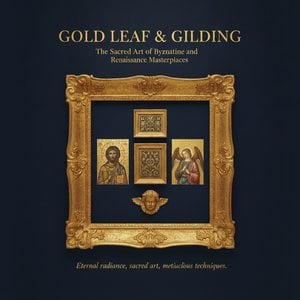
Explore the divine mastery of Byzantine gold leaf and gilding. Discover how ancient artisans used gold ground and mosaics to create celestial light, a timeless legacy of spiritual splendor and technical excellence in sacred art history.
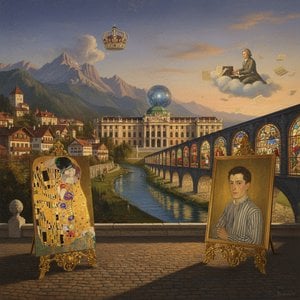
Embark on a sophisticated journey through Austrian art history. Explore the golden brilliance of Gustav Klimt and the elegance of the Vienna Secession through an expert lens, celebrating the enduring soul of Central European masterpieces.

Embark on a sophisticated journey through the splendor of Austrian art. From Gustav Klimt’s golden masterpieces to the elegance of the Viennese Secession, discover the history and symbolism behind Europe's most iconic works for the discerning collector.

Embark on a visual journey through the world's most radiant masterpieces. Discover how gold leaf, impasto textures, and gilded tones define luxury in fine art, from Byzantine icons to modern abstracts. Explore the eternal allure of gold in curated, museum-quality art collections.
 Peržiūrėti realaus dydžio版
 Pasidalinti
 Dalintis
 Išsamiau
 Vadovas

 Atsisiųsti
 Panašūs eksponatai
 Rentgeno spindulių nuotrauka
 Automatinė diorama
 Q&A
Q&A Statistika

 Skaityti daugiau









 Stiklo variantas prieinamas tik pasirinkus dydį iki 110 cm


