

Muziejų lygio „giclée“ arba drobos spausdinimas: greita gamyba ir lankstios apdailos parinktys. ( Pirkti rankų darbo tapybą Perejti prie skaitmeninių vaizdų)





























Pasirinkite iš mūsų nustatytų dydžių, atitinkančių originalaus meno kūrinio proporcijas.

Įveskite jums reikiamą plotį ir aukštį, kad atvaizdas derėtų prie jūsų rėmo ar sienos. Spausdiną galima tik sumažinti, bet nepadidinti virš originalaus paveikslėlio dydžio, todėl keičiant proporcijas, dalis vaizdo prarandama. Prieš spausdinimą atsiųsime jums skaitmeninį maketą patvirtinimui. Šioje puslapio nuotraukoje matomas pjūvis nėra tikslus – jį rodo tik maketas.
Pristatymas visame pasaulyje () per 2 weeks, o ne įprastas 4/5 savaičių laikotarpis. (8 lapkritis)
Ballerina
Reprodukcijos matmenys
Gustav Klimt’s “Ballerina” transcends mere representation; it embodies a profound exploration of femininity, artistry, and the ephemeral nature of beauty. Completed in 1916-17 during Klimt's celebrated “Golden Phase,” this monumental canvas captures a ballerina poised with captivating poise—a figure simultaneously vulnerable and resolute—within an opulent tapestry of blossoms that speaks volumes about Art Nouveau’s fascination with organic forms and decorative splendor.
More than just ornamentation, the swirling arrangement of roses, lilies, and other blossoms serves as a conduit for symbolic meaning. Traditionally associated with love, purity, and rebirth, these flowers encapsulate themes central to Art Nouveau's spiritual ethos—a yearning for transcendence and an appreciation of nature’s transformative power. Klimt skillfully utilizes floral motifs to heighten the painting’s emotional resonance, suggesting that beauty itself is fleeting yet eternally significant.
Klimt's masterful technique—primarily oil paint applied in multiple glazes and textured impasto—represents a pivotal moment in artistic history. He seamlessly blends elements of Symbolism with Byzantine influences, mirroring the grandeur and spiritual contemplation found in Orthodox iconography. This fusion results in an aesthetic that prioritizes decorative impressionism: capturing fleeting moments of light and color while simultaneously constructing intricate patterns and textures that engage the viewer’s senses on a visceral level.
"Ballerina" stands as a testament to Klimt's unparalleled ability to fuse artistic innovation with emotional depth. Its enduring appeal lies in its evocative portrayal of feminine grace and beauty—a celebration of artistry that continues to inspire collectors and interior designers alike. The painting’s luminous surface, combined with its symbolic richness, invites contemplation on themes of life, death, and the transformative power of art itself.
Statistika apie „Ballerina“ – Gustavas Klimtas pateikiama kūrinio Statistika puslapio: mėnesiniai kūrinio apsilankėjimai, kito šio autoriaus kūrinių apsilankėjimai bei neseniai apsilankiusiųjų skirstymas pagal šalis ir kalbas.
„Ballerina“ spalvos pasižymi Soft Shadow šviesos intensyvumu.
„Ballerina“ diapora prieinama puslapio Slaydšou kūrinio apžvalgos skiltyje.


1862 - 1918 , Austrija

Discover the enchanting world of Art Nouveau. Explore the flowing lines of Alphonse Mucha and learn how to integrate these timeless, organic masterpieces into your collection with expert guidance on fine art appreciation and preservation.

Embark on a sophisticated journey through the splendor of Austrian art. From Gustav Klimt’s golden masterpieces to the elegance of the Viennese Secession, discover the history and symbolism behind Europe's most iconic works for the discerning collector.

Explore the profound impact of the Vienna Secession movement. Discover how visionaries like Gustav Klimt revolutionized modern art through symbolism, gold leaf, and bold ornamentation in this deep dive into the aesthetic revolution that redefined the visual landscape of Europe.

Discover the exquisite world of Art Nouveau. Explore the elegant fusion of nature and design through architectural masterpieces, organic forms, and the legendary masters of the Belle Époque. Immerse yourself in a journey of timeless sophistication and ornamental beauty.
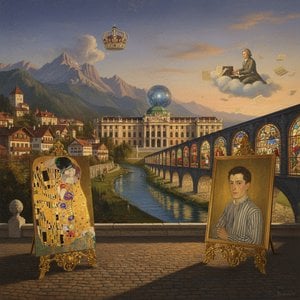
Embark on a sophisticated journey through Austrian art history. Explore the golden brilliance of Gustav Klimt and the elegance of the Vienna Secession through an expert lens, celebrating the enduring soul of Central European masterpieces.
 Peržiūrėti realaus dydžio版
 Pasidalinti
 Dalintis
 Išsamiau
 Vadovas

 Atsisiųsti
 Panašūs eksponatai
 Rentgeno spindulių nuotrauka
 Automatinė diorama
 问答
问答
 Statistika
 Skaityti daugiau









 Stiklo variantas prieinamas tik pasirinkus dydį iki 110 cm


