NEMOKAMA MENO KONSULTACIJA

x
Pirkti atspaudą Pirkti atspaudąUžsisakyti kopiją Užsisakyti kopiją PasidalintiPasidalinti
DetailsDetails Pridėti į mėgstamiausius Pridėti į mėgstamiausius AtsisiųstiAtsisiųsti Panašūs eksponataiPanašūs eksponatai X-RayX-Ray Automatinė dioramaAutomatinė diorama

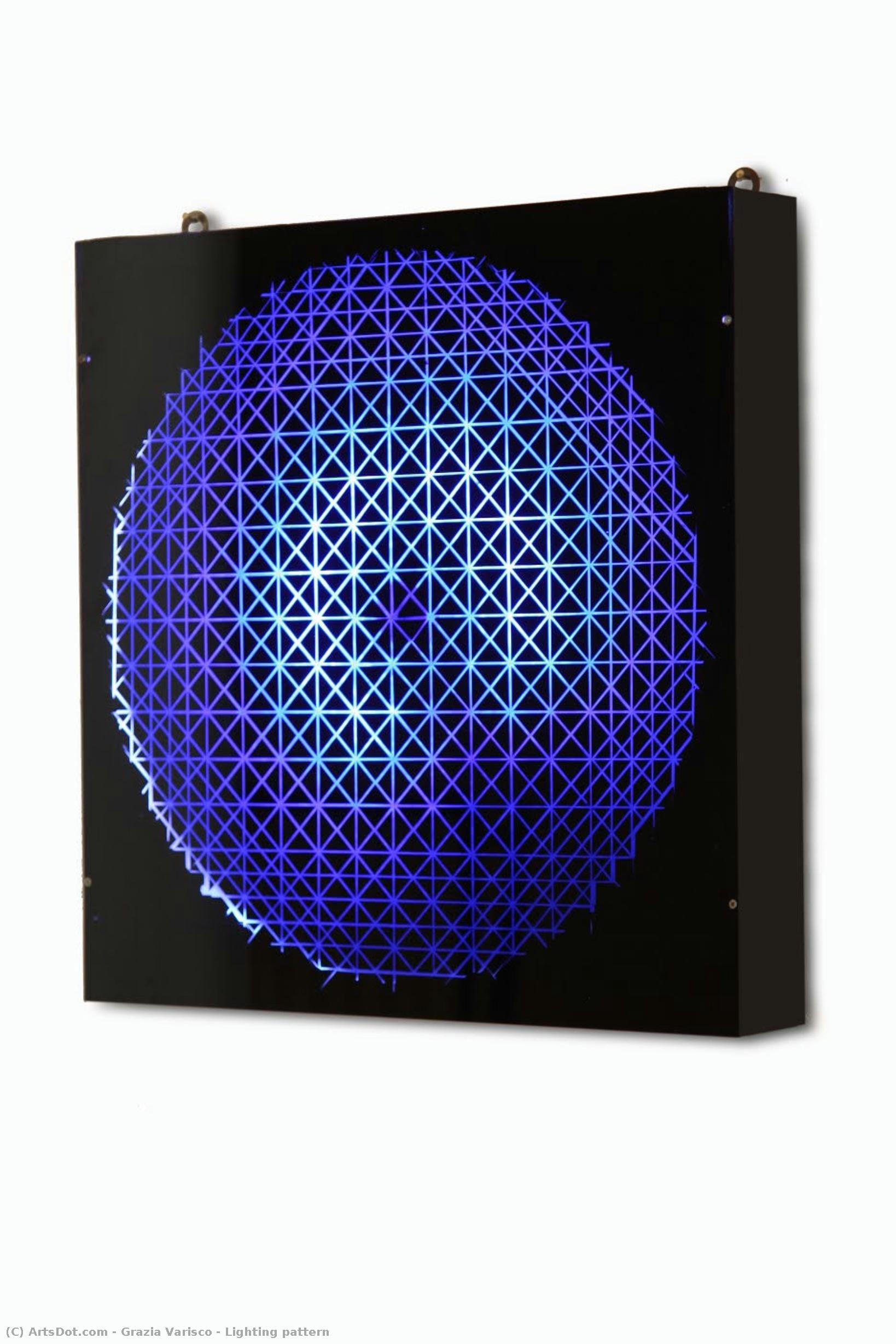
Lighting pattern

Italian visual artist Grazia Varisco (1937-) is a pioneer of Op Art & kinetic art, known for her innovative lighting patterns & design work. Featured in Venice Biennale & more.

Įsigykite aukštos skiriamosios raiškos, patobulintą skaitmeninį vaizdą, gerokai pranašesnį už internetinę peržiūrą.

Kiekvieną failą mūsų specialistai kruopščiai paruošia naudojant pažangias technologijas ir profesionalų rankinį retušavimą. Užtikriname, kad kiekvienas vaizdas pasižymėtų išskirtiniu aiškumu, tikslia spalvų atspalviu ir smulkiomis detalėmis.

Baigiamas failas el. paštu pristatomas per 72 valandas; jis optimizuotas nedelsiant naudojimui profesionalioje, redakcinėje ir spausdinimo aplinkoje. Tai ta pati kokybė, kuria pasitiki aukščiausios klasės dizaino studijos, leidyklos ir galerijos.

Skaitmeninis vaizdas

Atsisiųskite didelės raiškos failą asmeniniam naudojimui, spausdinimui ir kūrybiniams projektams.

Visų sumos kaina

$9.99

Kiekvieną skaitinio vaizdo užsakymą papildė

Profesionalus skaitmeninis pristatymas, garantuotas

Pasirinkę WahooArt.com, jūs ne tik gaunate paveikslėlį – jūs gaunate profesionaliai patobudintą skaitmeninį kūrinį, sukurtą itin tikniai ir užtikrinantį pasitenkinimą. Štai viską, kas automatiškai pritékia jūsų užsakymui:

shipping_icon
Greitas siuntimas el. paštu

Jūsų aukštos raiškos skaitmeninis vaizdo failas bus išsiųstas jums el. paštu per 72 valaudas nuo užsakymo – paruoštas naudojimui be jokių papildomų veiksmų.

canvas_icon
Skaitmeninis failas su dirbtiniu intelektu

Jūsų meno kūrinys profesionaliai optimizuojamas naudojant pažangius dirbtinio intelekto įrankius ir rankinį redagavimą, užtikrinant maksimalią detalę, aiškumą ir spalvų tikslumą.

insurance_icon
Nemokamas visam laikui pakartotinis siuntimas

Atsitiktinai ištrytikote ar praradote savo failą? Nebijokite – bet kuriuo metu atsiųsime jį jums vėl nemokamai.

tax_icon
Jokio importo mokesčio – niekada

Mėgaukitės savo meno kūriniu akimirka – skaitiniai failai visada yra neapmokestinami, todėl nereikės mokėti muitinės, mokesčių ar pristatymo mokesčių.

color_icon
Spalvų tikslumo garantija

Naudodami profesionalią įrangą ir spalvų valdymo sistemas, užtikriname, kad jūsų skaitmeninis vaizdas kuo tiksliau atspindėtų originalias spalvas.

return_icon
60 dienų pasitenkinimo garantija

Jei nebuvate patenkinti savo skaitinio vaizdo, per 60 dienų jį pertaisysime arba grąkinsime 100% sumą – be jokių klausimų.

guarantee_icon
100% pinigų grąžinimo garantija

Nepat 만족inti? Gaukite visą sumokėtą sumą per 60 dienų nuo skaitmeninio failo gavimo – be jokių papildomų klausimų.

discount_icon
Nuolaidos dideliems užsakymams

Pirkti 3 nuotraukas – pasiūla 10% - Pirkti 5 – pasiūla 15% - Pirkti 10 ir daugiau – pasiūla 20%. Puikiai tinka kūrybiniams projektams, galerijoms bei agentūroms.

Kolekcinio objekto aprašymas

L’opera che state osservando ha bisogno, per esistere nel pieno delle sue funzioni, proprio di voi. Occorre azionarla, premendo il pulsante apposito, per percepirla davvero; ecco che allora compaiono dei raggi di luce che danzano su assi concentrici e ci appaiono come punti luminosi in corsa sulla superficie. Ciò che veramente accade è che una luce emessa dal fondo dell’opera venga schermata da dischi rotanti, schermanti ma rigati in modo da permettere alla luce di passare solo in dati punti e momenti. L’opera agisce: mentre la guardiamo non utilizziamo il nostro solito approccio frontale e non cerchiamo più di cogliere dettagli e particolari. Dimentichiamo di rispecchiarci e anche di riconoscere: la nostra capacità visiva entra in azione e contribuisce a creare l’opera. Come? Ciò che percepiamo, andamenti e curve, è solo una sintesi che il nostro cervello opera, attraverso la vista di qualcosa che accade ed è in movimento. “Il motore è lo strumento più idoneo per sentire il tempo” dice infatti l’artista; anziché un’esperienza complessiva e unitaria, ne facciamo una organizzata sul tempo e su continui impulsi visivi. Essa è proprio resa possibile dall’uso di materiali meccanici, industriali, assemblati perché utili e funzionali e non evocativi. L’opera è un oggetto seriale che funziona in maniera meccanica: a renderlo unico e irripetibile siamo noi, il nostro sguardo, il nostro tempo speso differentemente. Questa è la ricerca in comune, dal 1960, di esponenti del Gruppo T di Milano. Negli anni sessanta, a conclusione di questa esperienza di gruppo e parallelamente alla sua ricerca di artista, Grazia Varisco lavora come progettista grafica all’Ufficio Sviluppo della Rinascente di Milano, dove era consulente anche Bruno Munari, a testimonianza di come la ricerca di questi artisti verso una percezione attiva, consapevole e condivisa, non si sia fermata al manifesto artistico ma abbia operato in tutti i campi possibili in cui forma e spazio condizionano realmente il pensiero, bisogni e comportamento dell’uomo. (FMC)

Autoriaus biografija

Grazia Varisco: Architect of Illusion and Light

Italian visual artist Grazia Varisco (born 1937 in Milan) stands as a pivotal, yet often underappreciated, figure within the vibrant landscape of Op Art and kinetic art. Her career, spanning over seven decades, is characterized by an innovative exploration of perception, time, and space – a relentless pursuit to disrupt conventional visual experience through meticulously crafted lighting patterns and dynamic forms. Varisco’s work isn't merely about creating images; it’s about generating immersive environments where the viewer becomes an active participant in the artwork’s unfolding narrative. Her journey began at the prestigious Brera Academy of Fine Arts in Milan, under the tutelage of Achille Funi, a formative experience that instilled within her a deep appreciation for both classical technique and experimental approaches to artistic expression.

Early Years and Gruppo T: A Kinetic Genesis

Varisco’s early career was inextricably linked with Gruppo T – a groundbreaking collective of artists, designers, and architects who redefined the possibilities of Italian art in the 1960s. Joining this influential group in 1960, alongside luminaries like Gianni Colombo, Davide Boriani, and Gabriele De Vecchi, she embraced their philosophy of “programmed art,” an approach that moved beyond static representation to create works designed to elicit specific emotional or perceptual responses from the audience. Gruppo T’s experiments with light, movement, and chance were revolutionary, pushing the boundaries of artistic convention and anticipating many of the developments in interactive art that would emerge decades later. Exhibitions such as ‘Arte Programmata’ (1962) and ‘Nouvelle Tendance’ (1963) showcased their innovative spirit, establishing Varisco's reputation as a key player in this dynamic artistic movement. This period was crucial for her development, exposing her to new materials – particularly glass and steel – and fostering an interest in the interplay between light, reflection, and perception.

The Variable Light Patterns: A Revolution in Perception

From 1961 to 1967, Varisco’s career took a significant turn as she worked for major Italian design houses – La Rinascente, Abitare, Kartell, and the Milan City Council. However, it was during this time that she began developing her most celebrated series: the “Variable Light Patterns.” These weren't static installations; they were dynamic events, constantly shifting and evolving through the manipulation of light and shadow. Utilizing specially treated glass panels with precisely etched patterns, Varisco created mesmerizing effects – shimmering, undulating surfaces that seemed to defy perspective and logic. The core concept was elegantly simple: a fixed blue light illuminated these textured surfaces, producing an illusion of continuous movement and transformation. The fluted glass itself contributed to the effect, refracting the light and creating subtle distortions that further enhanced the sense of dynamism. These patterns weren’t merely decorative; they were designed to challenge the viewer's perception of reality, prompting a deeper engagement with the artwork and its inherent ambiguity.

International Recognition and Continued Innovation

Varisco’s work quickly garnered international acclaim, culminating in prestigious invitations to exhibit at major venues worldwide. Her inclusion in the Venice Biennale (1964, 1986, and 2022) cemented her place as a leading figure in contemporary art. Other significant exhibitions included the Rome Quadriennale (1973), the Toyama Triennale (1990), ‘Force Fields: Phases of the Kinetic’ at the Barcelona Museum of Contemporary Art and the Hayward Gallery, London (2000), and ‘Beyond Geometry’ at the Los Angeles County Museum of Art and the Pérez Art Museum Miami (2004). Her 2007 retrospective at the Schirn Kunsthalle Frankfurt provided a comprehensive overview of her career, highlighting the breadth and depth of her artistic vision. Throughout these years, Varisco remained committed to teaching, serving as Professor of Theory of Perception at the Brera Academy of Fine Arts from 1981 to 2007, passing on her knowledge and inspiring generations of artists. In 2007, she received the ‘Presidente della Repubblica Prize for Sculpture,’ a testament to her enduring contribution to Italian art and culture.

Legacy and Influence

Grazia Varisco’s legacy extends far beyond her individual artworks. She was one of the few women actively involved in Op Art, alongside influential figures like Edna Andrade, Bridget Riley, and Vera Molnár – a testament to her pioneering spirit and artistic vision. Her work continues to resonate with contemporary artists exploring themes of perception, illusion, and interactivity. Her exploration of light as a dynamic element, combined with her innovative use of materials and her commitment to challenging conventional visual experience, has left an indelible mark on the history of art. Varisco’s influence can be seen in the work of numerous artists who have followed in her footsteps, demonstrating the enduring power of her ideas and their continued relevance in the 21st century. Her pieces are now held in prestigious collections across Europe and America, ensuring that her unique vision will continue to inspire and captivate audiences for years to come.
Grazia Varisco

Grazia Varisco

1937 - , Italy

Trumpai apie šį kūrėją

  • Artistic Movement Or Style: Op Art & Kinetic Art
  • Artists Who Influenced This Artist: ['Achille Funi],\n "Artists or movements influenced by this artist": ["Gruppo T"]\n}']
  • Date Of Birth: 1937-Milan, Italy
  • Full Name: Grazia Varisco
  • Nationality: Italian
  • Notable Artworks:
    • Variable Light Patterns
    • Mercurial + 7R Diagonal
  • Place Of Birth: Milan, Italy