

Muziejų lygio „giclée“ arba drobos spausdinimas: greita gamyba ir lankstios apdailos parinktys. ( Pirkti rankų darbo tapybą Perejti prie skaitmeninių vaizdų)





























Pasirinkite iš mūsų nustatytų dydžių, atitinkančių originalaus meno kūrinio proporcijas.

Įveskite jums reikiamą plotį ir aukštį, kad atvaizdas derėtų prie jūsų rėmo ar sienos. Spausdiną galima tik sumažinti, bet nepadidinti virš originalaus paveikslėlio dydžio, todėl keičiant proporcijas, dalis vaizdo prarandama. Prieš spausdinimą atsiųsime jums skaitmeninį maketą patvirtinimui. Šioje puslapio nuotraukoje matomas pjūvis nėra tikslus – jį rodo tik maketas.
Pristatymas visame pasaulyje () per 2 weeks, o ne įprastas 4/5 savaičių laikotarpis. (8 lapkritis)
Self Portrait aged - (24)
Reprodukcijos matmenys

Govertas Teunisz Flinckas – vardas, kuris skamba kaip pati olandų tapybos auksinio amžiaus daina – buvo ne tik portretistas; jis buvo tiltas tarp revoliucinės Rembrandto stiliaus ir sparčiai augančio XVII amžiaus Amsterdamo meno peizažo. Gimęs 1615 m. Vokijos Kleve – mieste, pasisakančiame vokiškų ir olandų įtakų – Flinckas ankstyvojo gyvenimo kelias atrodė toli nukrypęs nuo meno pasaulio. Jo tėvas, sėkmingas audinio verslininkas, savo sūnui numatė ateitį prekyboje, tačiau likimas įsəkė netikėtą vadovę – Lambertą Jacobszą, žinomą menonitų pamokytoją ir tapybos meistrą, atpažinęsiantį prigimtą jauno žmogaus meninę talentą. Šis lemiamas susitikimas nukreipė Flinstą link Leeuwarden, kur jis pradėjo oficialų mokymąsi pas Jacobszą, padėdami pagrindus karjerai, kuri galiausiai užgove jo pradinę ambiciją.
Keliavimas į Amsterdamą 1633 metais tapo tvirtu lūžio tašku. Ten Flinckas įstojo į Rembrandto van Rijn studiją – tai buvo santykis, kuris kruopščiai suformavo jo meninį vystymąsi. Rembrandto įtaka neįtikėtinai jautri išlieka visoje Flincko kūryboje – ypač ankstyvųjų darbų – kuriuose dominuoja dramatiškas apšvietimas, subtilūs išraiškos ir meistriškas chiaroscuro (šviesos ir šešėlio) valdymas. Tačiau, skirtingai nuo Rembrandto, kuris dažnai rinkosi teatralumą, Flinckaslaipsniui sukūrė labiau refinuotą ir elegantišką stilių, įsisavinęs Rubenso dinamikos elementus bei padidintą realizmo pojūtį. Šis evoliucijos procesas itin ryškiai matomas tokiuose kūriniuose kaip „Isaakas duoda palaiminimą Jakobui“ (1atra 1638 m.), kur kompozicijos pusiausvyra ir figūrų emocinis gylis demonstruoja aiškų atsiskyrimą nuo tiesioginės Rembrandto įtakos.
Flinckas greitai tapo vienu gejausiamiausių Amsterdamo portretistų, aptarnavęs klientus, įskaitant turtingus verslininkus, miesto pareigūnus ir svarbius menonitų bendruomenės narius. Jo portretai nebuvo tik paprasti panašumų atspindžiai; tai buvo kruopščiai sukonstruotos naratyvės, prisipildytos socialine komentarija ir atspindinčios jų subjektų statusą bei ambicijas. „Vyro portretas, tikriausiai Augustijn Wtenbogaert (1577–1655)“ yra šio požiūrio pavyzdys – jame su neįtikėtinu jautrumu atvaizduotas sulėtėjęs modelis, įtrapiantis ne tik jo išorės bruožus, bet ir patirtį, įsidėmėsiusi ant jo veido. Šviesūs audiniai, sudėtingi detalės fone ir subtilūs gestai – visa tai prisideda prie portretų, kurie peržengia paprastą panašumą ir leidžia įžvalgę į modelio gyvenimą bei charakterį.
Jo užsakymas miesto gvardinistams – kaip matoma darbe „XVIII a. Amsterdamo rajono pareigūnai ir kiti miesto gvardistai...“ – dar labiau sutvirtino jo reputaciją. Šie kūriniai nėra tik karinio personalo vaizdiniai; tai gyvi miesto didvybių šventinimai, kruopščiai atvaizduoti su dėmesiui į detales ir aštriu socialinės dinamikos suvokimu. Čia juntama Rembrandto įtaka, ypač dinamiškoje kompozicijoje bei šviesos ir šešėlio naudojime, siekiant sukurti judėjimo ir dramos pojūtį. Tapybė užfiksuoja ne tik gvardistų išvaizdą, bet ir jų vaidmenį kaip Amsterdamo klestėjimo bei stabilumo gynėjų.
Nors garsus dėl savo portretų, Flincko meninė plėtra išsilygo už oficialių atvaizdavimų ribas. Jis sukūrė įtraukiantį žanrinės scenų seriją – intymių kasdienybės vaizdinį – kuris atvėrė langą XVII amžiaus Amsterdamo buitinėms sferoms. Šie darbai pasižymi realizmu ir gebėjimu įamžinti žmogaus sąveikos niuansus, atskleisdami tiek kasdienės egzistencijos džiaugsmus, tiek iššūkius. Jo religiniai paveikslai, tokie kaip „Angelai praneša paš Linksmininkams apie Kristaus gimimą“, demonstruoja meistrišką kompozicijos, spalvų ir simbolikos valdymą, kurdamas scenų, kurios yra tiek vizualiai nuostabios, tiek emociniu atspalviu gili.
Goverto Teunisz Flincko karjera truko beveik keturiasdešimt metų, per kuriuos jis sukūrė įspūdingą kūrybinį palikimą, kuris žavi žiūrovus ir šiandien. Jo meninis vystymasis – nuo ankstyvo mokinio Rembrandto šešėlyje iki savo išskirtinio stiliaus tobulinimo – atspindi dinamišką olandų Auksinio amžiaus meno klimatą. Jis paliko ilgalaikį palikimą kaip vienas sėkmingiausių savo laikų portretistų ir žanrinės tapybos meistrų, įkvėpęs pokaktį menininkams, kurie žingsnius žengė jo pėdomis. Jo kūriniai šiandien saugomi prestižiuose kolekcijose visame pasaulyje, įskaitant Amsterdamo Rijksmuseum, taip liudydami jo neišnykamą indėlį į meno istoriją.

1615 - 1660 , Vokietija

Explore the Dutch Golden Age of painting! Discover key artists like Vermeer & ter Borch, their innovative techniques, and the rich cultural context behind these Baroque masterpieces. Learn about collecting & appreciating this iconic art period.

Journey through the Golden Age with our guide to the Top 10 Dutch Baroque masterpieces! Explore iconic paintings by Rembrandt, Vermeer & Frans Hals. Find museum-quality art reproductions and elevate your home decor at WahooArt.com.

Explore the dramatic mastery of the Dutch Baroque era. Discover how masters like Rembrandt used chiaroscuro to transform everyday life into timeless art. An expert guide for collectors and enthusiasts seeking to understand the profound interplay of light and shadow.

Sužinokite baroko meno paslaptis, šviesos ir dramatos techniką. Atskleiskite XVII amžiaus meistriškumą su mūsų ekspertu.
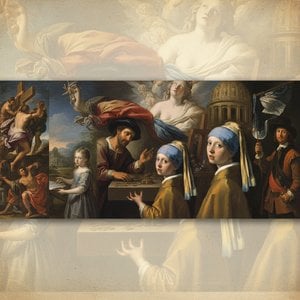
Atraskite 10 baroko šedevrų, kurie apibrėžė epoką! Karolis Rubenzas, Berninis ir kiti meistrai – jų kūriniai, istorijos bei spalvos. Aukščiausios kokybės dailės reprodukcijos ir interjero įkvėpimas WahooArt.com. Išnagrinėkite visą kolekciją internete!
 Peržiūrėti realaus dydžio版
 Pasidalinti
 Dalintis
 Išsamiau
 Vadovas

 Atsisiųsti
 Panašūs eksponatai
 Rentgeno spindulių nuotrauka
 Automatinė diorama
 问答
问答
 Statistika
 Skaityti daugiau









 Stiklo variantas prieinamas tik pasirinkus dydį iki 110 cm


