A Journey Through Time: The Spirit of Song Dynasty Elegance
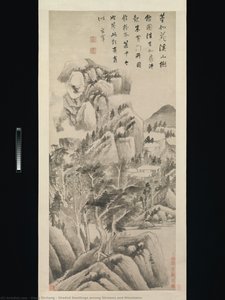
In the delicate dance of ink and brush, Zhongshan Going on Excursion emerges as a profound window into the soul of the late Song Dynasty. This evocative masterpiece by the legendary Gong Kai captures more than just a moment in time; it invites the viewer into a rhythmic procession that feels both intimate and monumental. The scene unfolds with a sense of quiet grandeur, depicting a central figure seated in an ornate chair, being tenderly guided through a landscape by attendants. As your eyes wander across the composition, you encounter a tapestry of human connection—figures kneeling, standing, and sharing communal moments, perhaps even preparing food for the journey. There is a palpable sense of movement, yet it is tempered by a serene, meditative stillness that defines the very essence of classical Chinese ink wash painting.
The artistry of Gong Kai, a master poet and painter, is felt in every deliberate stroke. The technique relies on the sophisticated interplay of light, shadow, and varying densities of ink to create depth without the need for heavy pigments. Through subtle gradations, the artist breathes life into the figures and their surroundings, using fine lines to delineate the textures of clothing and the structural weight of the sedan chair. This mastery of shui-mo (ink wash) allows for a misty, atmospheric quality that suggests an expansive world existing just beyond the edges of the frame. For the discerning collector or interior designer, this piece offers a sophisticated focal point, bringing a sense of historical weight and scholarly refinement to any curated space.
Symbolism and the Poetics of the Landscape
Beyond its literal depiction of an excursion, the painting serves as a profound allegory for the complexities of leadership, social harmony, and the transient nature of life. The central figure, elevated yet surrounded by his community, symbolizes the delicate balance between authority and the shared human experience. The presence of others—the attendants, the observers, and those engaged in the humble tasks of sustenance—creates a narrative of interdependence. In the context of Gong Kai’s era, such imagery often carried subtle political undertones, reflecting the shifting tides of power and the enduring importance of tradition amidst a changing world.
The emotional resonance of Zhongshan Going on Excursion lies in its ability to evoke nostalgia for a lost era of elegance. It is a work that speaks to the heart of those who appreciate the beauty of simplicity and the profound depth found in subtle details. Whether displayed in a contemporary gallery or as a centerpiece in a classic study, this reproduction serves as an enduring testament to the power of the brush to capture the fleeting essence of human dignity and the eternal grace of the natural world.



 Peržiūrėti realybėje
 Perejti prie spausdinimo
 Pasidalinti
 Dalintis
 Išsamiau

 Atsisiųsti
 Panašūs eksponatai
 Rentgeno nuotrauka
 Automatinė diorama
 Statistika


 Skaityti daugiau






































 Stiklo variantas prieinamas tik pasirinkus dydį iki 110 cm